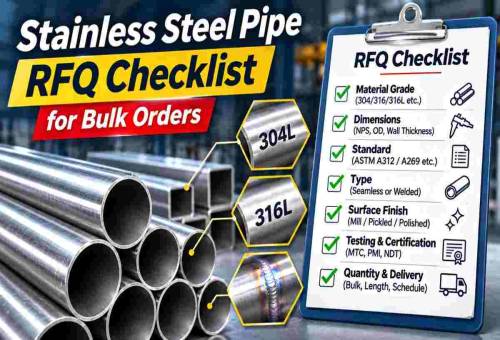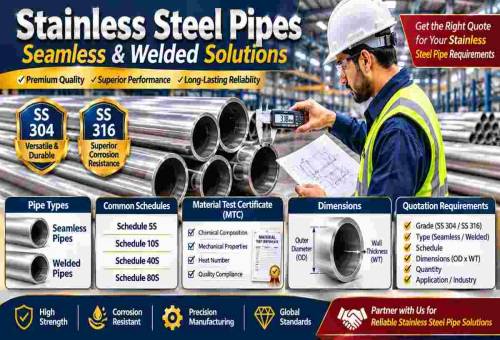
A stainless steel pipe order can look straightforward until the supplier asks for missing specifications. A purchase inquiry might mention SS 304 pipes and a total quantity but leave out the wall thickness, manufacturing standard, surface finish, or inspection requirements. These details can change the product, price, and delivery schedule.
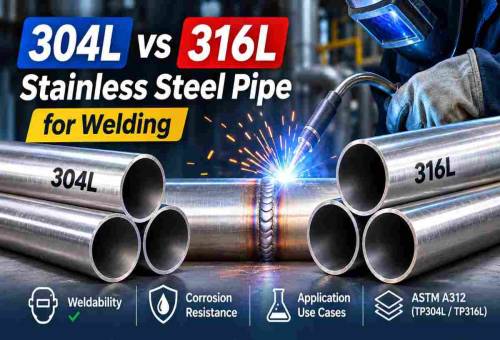
Read MoreChoosing stainless steel piping for a welded system is not simply about selecting a corrosion-resistant material. The pipe must also withstand welding temperatures, operating conditions, cleaning procedures, and long-term exposure to process fluids.
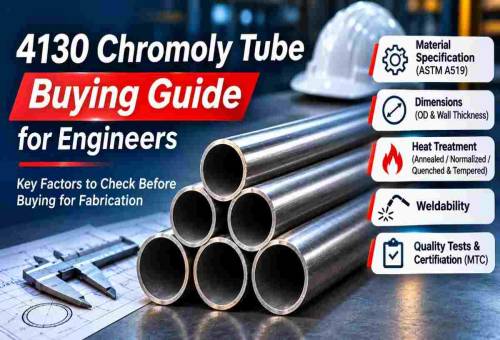
Read MoreChoosing the right tubing for an engineering or fabrication project requires more than checking its diameter and price. Material grade, mechanical strength, wall thickness, manufacturing standards, and weldability all influence how a tube performs once it becomes part of a finished structure.
Read MoreAre you sourcing stainless steel pipes or tubes for an industrial project? An incomplete request for quotation (RFQ) can result in incorrect material grades, unsuitable wall thicknesses, missing certifications, and unexpected procurement delays.
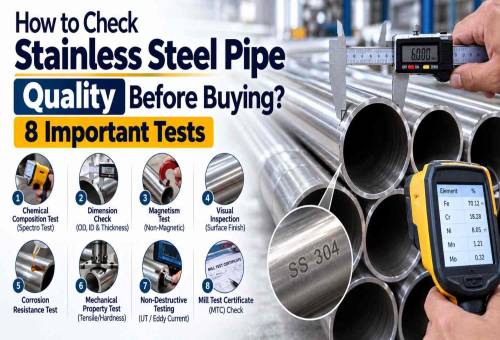
Read MorePurchasing stainless steel pipes for industrial applications involves more than comparing prices, sizes, and material grades. The quality of the pipes can influence their performance, corrosion resistance, dimensional accuracy, and suitability for the intended operating conditions.
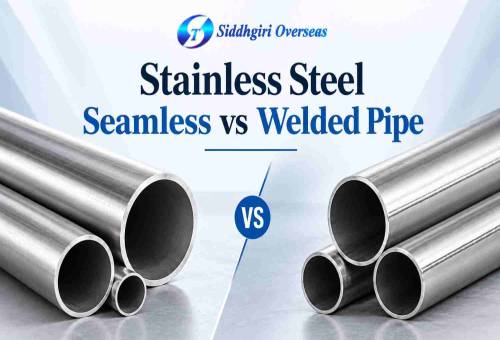
Read MoreWhen sourcing stainless steel pipes for an industrial project, one of the first decisions is whether to choose a seamless or welded stainless steel pipe.
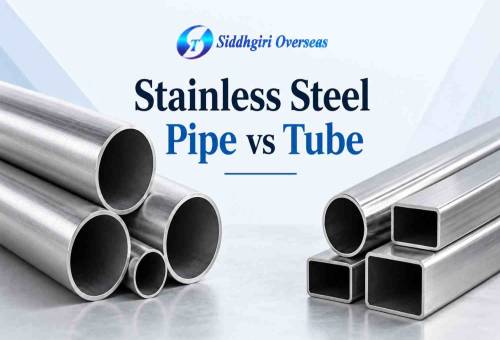
Read MoreStainless steel pipes and tubes are widely used across industries where strength, corrosion resistance, durability, and reliable performance are essential. Although the terms “pipe” and “tube” are often used interchangeably, they are not exactly the same.
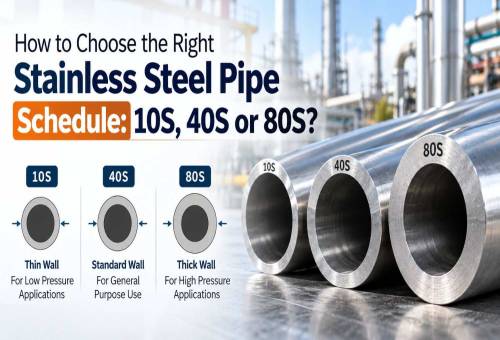
Read MoreChoosing the correct stainless steel pipe is about more than selecting the right material grade or diameter. Wall thickness plays an equally important role in determining whether a pipe is suitable for its intended application, operating pressure, and installation requirements.
Read More