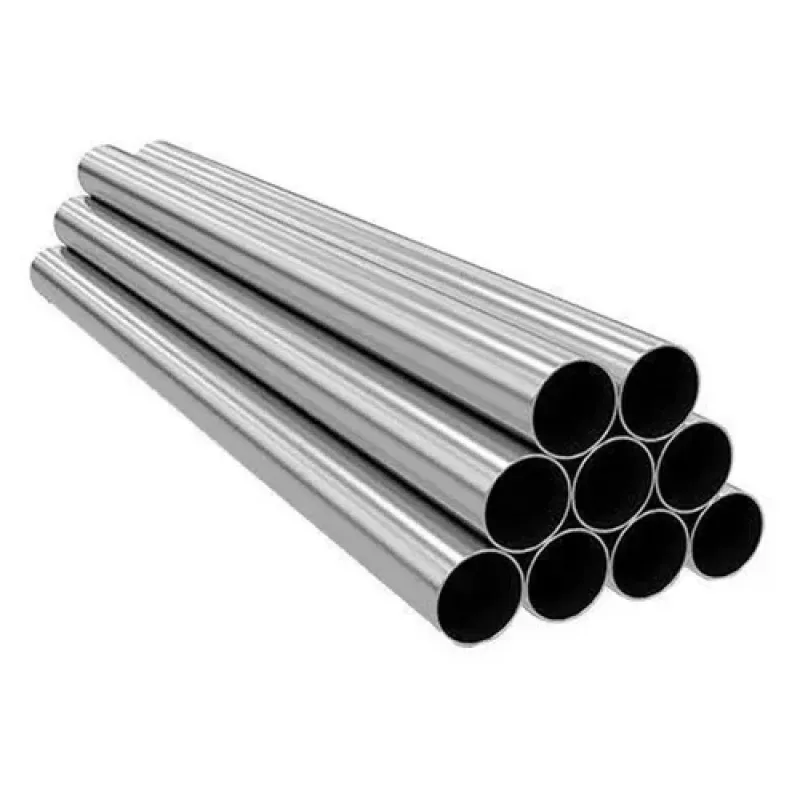
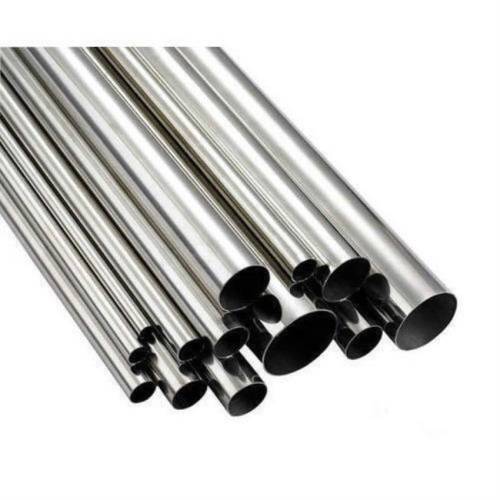
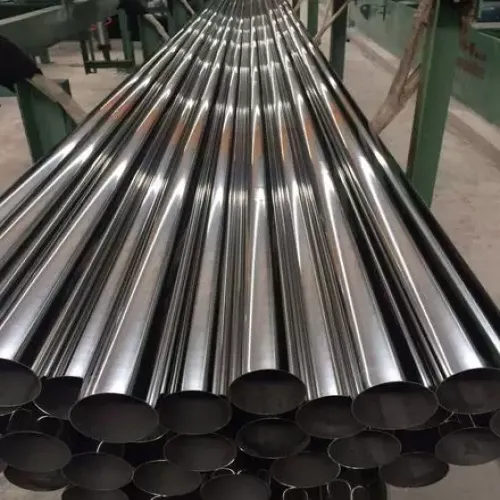
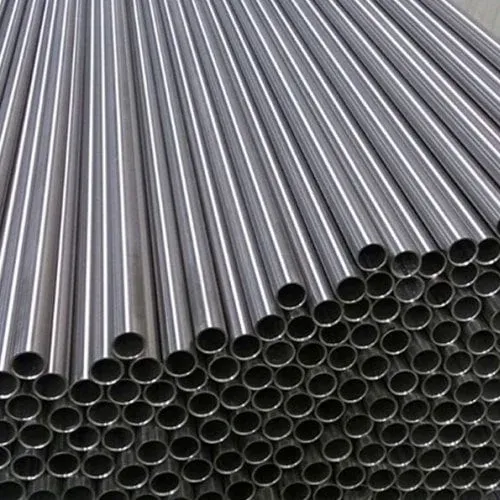
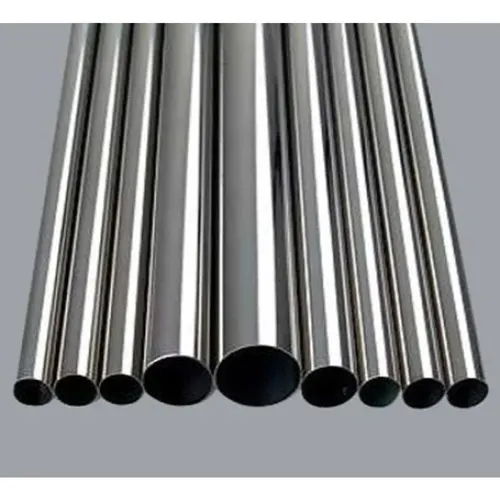
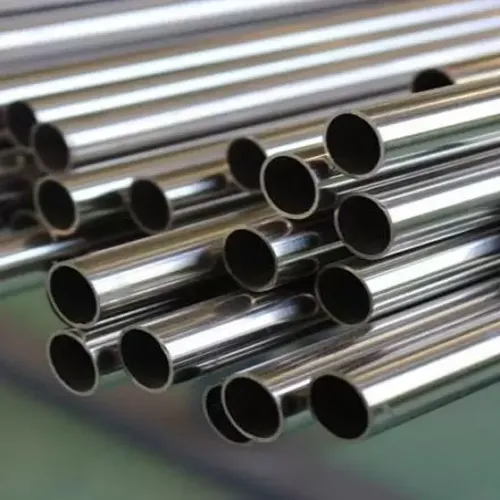
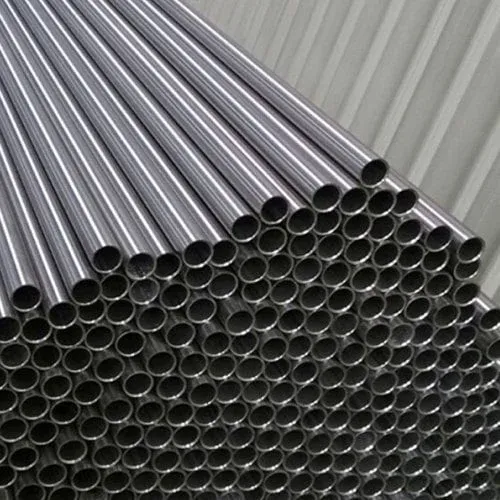
SS 310 pipe is the grade Siddhgiri Overseas recommends when a project's real constraint isn't strength or corrosion resistance alone — it's sustained, severe heat. Built around 24-26% chromium and 19-22% nickel, this austenitic grade holds a stable, adherent oxide scale in dry air up to roughly 1,150°C (2,100°F), well past the point where lower grades start oxidizing rapidly and losing structural integrity. It's manufactured across three sub-variants — standard SS 310, low-carbon SS 310S, and high-carbon SS 310H — so the right chemistry can be matched to the job, whether that's field-welded ductwork or a continuously fired radiant tube. Siddhgiri Overseas has manufactured stainless steel pipe from its Mumbai facility since 1962, with dimensional checks carried out before every dispatch and Mill Test Certificates available for each order.
SS 310 pipe is a highly-alloyed austenitic stainless steel engineered specifically for continuous service at extreme temperatures. Where most stainless grades are selected primarily for corrosion resistance or mechanical strength at ambient-to-moderate temperatures, SS 310 exists to solve a different problem: keeping a pipe structurally sound and dimensionally stable while it sits in furnace-level heat, day after day, for years.
That capability comes directly from its alloy content. Chromium at 24.00-26.00% and nickel at 19.00-22.00% — both well above what's used in general-purpose austenitic grades — give SS 310 a dense, tightly adherent oxide layer that keeps building a protective barrier as temperature rises, instead of breaking down. In dry air, this lets SS 310 pipe hold up in continuous service to around 1,150°C (2,100°F), placing it among the standard refractory-grade stainless steels used across the furnace, kiln, and heavy thermal-processing industries.
SS 310 is not typically the first choice for a general piping run — it's chosen specifically when the operating environment involves sustained extreme heat, repeated thermal cycling, or both, and where a lower grade would visibly oxidize, scale, or lose strength over the service life of the equipment.

SS 310 is produced in three sub-variants, differentiated by carbon content, so the pipe can be matched to how it will actually be fabricated and operated rather than treated as a single one-size-fits-all specification.
Standard SS 310 runs up to 0.25% carbon and is the balanced, general-purpose version of the grade — specified when the priority is high-temperature structural strength across a broad range of furnace and thermal-processing applications, without a specific driver toward either heavy field welding or maximum sustained creep performance.
SS 310S is the low-carbon variant, capped at 0.08% carbon. It's the version to specify when a project involves significant field welding — the lower carbon content reduces the risk of carbide precipitation at the weld heat-affected zone, which otherwise can compromise corrosion resistance and long-term integrity right at the joint. Where fabrication involves extensive on-site welding of radiant tubes, ducting, or structural runs, 310S is generally the safer specification.
SS 310H is the high-carbon variant, held to a 0.04%-0.10% carbon range. This is the variant chosen for maximum creep strength in continuous ultra-high-heat service — applications where the pipe is under sustained load at extreme temperature for extended periods, such as boiler and process-heater components, and where resistance to slow, high-temperature deformation matters more than weldability.
In practice, the choice comes down to the fabrication method and the operating regime: standard SS 310 for general high-heat structural use, 310S where heavy welding is involved, and 310H where sustained creep resistance at the very top of the temperature range is the governing requirement.
SS 310 pipe is supplied to the following chemical composition, with the standard and 310S carbon limits shown separately:
|
Chromium (Cr) |
24.00% - 26.00% |
Primary oxidation and scaling defense, effective to ~1,150°C |
|
Nickel (Ni) |
19.00% - 22.00% |
Stabilizes the austenitic structure and prevents scale flaking under thermal cycling |
|
Silicon (Si) |
1.50% max |
Improves resistance to high-temperature carburization |
|
Manganese (Mn) |
2.00% max |
Standard alloying control element |
|
Carbon (C) |
0.25% max (standard) / 0.08% max (310S) |
Governs weldability and carbide precipitation risk |
Mechanical properties: minimum yield strength of 205 MPa and minimum tensile strength of 515 MPa.
Standard cross-reference (DIN / EN / ASTM A312 pipe grade):
|
1.4841 |
X15CrNiSi25-21 |
TP310 (standard) |
|
1.4845 |
X8CrNi25-21 |
TP310S (low-carbon) |
Every SS 310 pipe order from Siddhgiri Overseas is accompanied by a Mill Test Certificate (MTC) recording the heat's actual chemical composition and mechanical test results, with dimensional checks carried out before dispatch.
SS 310 pipe is manufactured across three size ranges, each aligned to a distinct category of high-temperature application:
Small profiles (1/8"-1" NB, 15.88-33.7mm OD, Sch 5S/10S) are used where the pipe itself functions as instrumentation or a protective sheath rather than a structural conduit — thermocouple protection sheaths, burner instrumentation lines, and gas sampling lines that sit directly in or near the hot zone.
Medium profiles (1.25"-4" NB, 42.4-114.3mm OD, Sch 40S) cover applications such as flare stacks, heat-treatment oven conveyor pipe, and radiant lines — settings where the pipe carries process flow or forms conveying/radiant elements under continuous elevated temperature.
Heavy profiles (6"-48" NB, 168.3-1219mm OD, Sch 80S-160) are specified for large-scale, high-load thermal equipment: catalytic recovery systems, fluidized bed combustors, and pulverized coal burners, where both wall thickness and diameter need to support sustained mechanical and thermal load.
Typical applications for SS 310 pipe include:
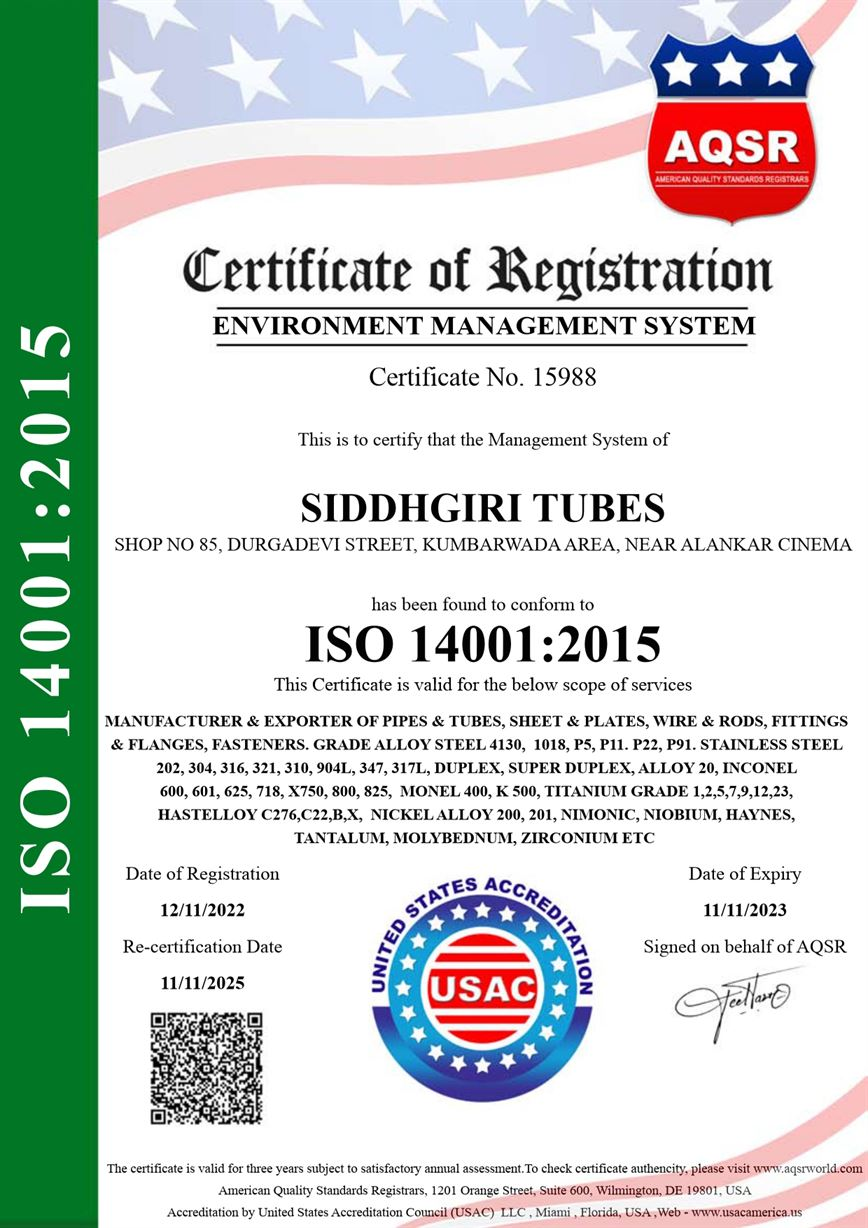
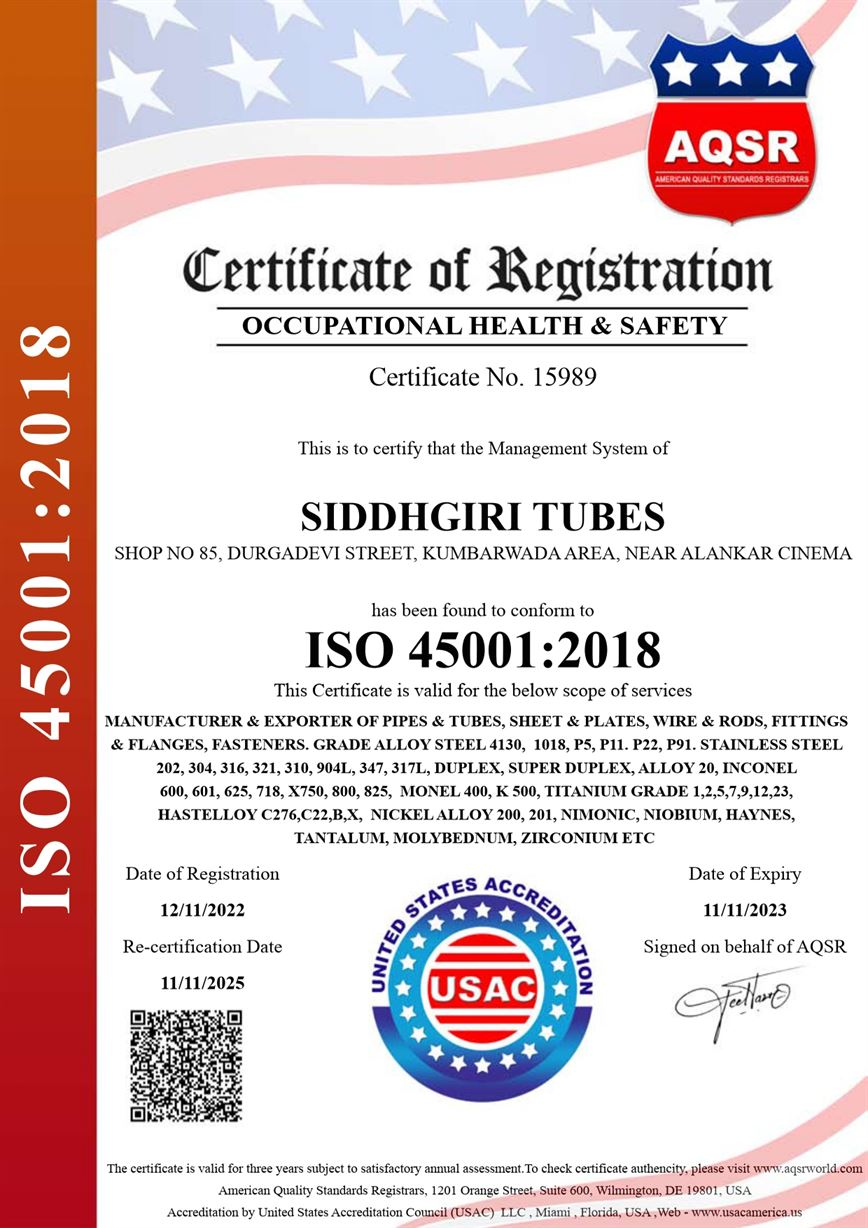
Siddhgiri Overseas is ISO certified for quality, occupational health & safety and environment management, and holds the import and export certification required to supply stainless steel pipe and tube to customers worldwide. Certificate copies are available on request for buyers who need them for their own compliance records.
SS 310 pipe resists oxidation and holds mechanical strength in dry air up to approximately 1,150°C (2,100°F), making it one of the standard refractory-grade stainless steels for continuous high-temperature service.
They differ by carbon content and intended use: standard SS 310 (up to 0.25% carbon) is the balanced general-purpose grade, SS 310S (max 0.08% carbon) is the low-carbon variant chosen when heavy field welding is involved to avoid carbide precipitation, and SS 310H (0.04%-0.10% carbon) is selected for maximum creep strength in continuous ultra-high-heat service.
SS 321 uses titanium stabilization and handles moderately high heat up to about 850°C, but becomes structurally vulnerable and oxidizes rapidly beyond that point. SS 310's much higher chromium and nickel content produces a denser, more stable oxide scale that resists cracking and flaking through severe thermal cycling, along with higher creep and rupture strength at sustained extreme heat — the range where SS 321 is no longer a reliable choice.
Not typically. SS 310's high chromium and nickel content is engineered for continuous extreme-heat service, and that alloy content is what the grade is chosen for. For moderate-temperature applications, a lower-alloyed grade is generally the more appropriate specification, with SS 310 reserved for projects where sustained extreme heat is the actual operating condition.
Yes, though carbon content matters. Standard SS 310, at up to 0.25% carbon, carries a higher risk of carbide precipitation in the weld heat-affected zone during heavy field welding. SS 310S, with a maximum of 0.08% carbon, is specifically the low-carbon variant chosen for projects involving significant on-site welding.
SS 310 pipe is used across furnace and kiln assemblies (radiant tubes, muffle furnaces, retorts), petrochemical and refining equipment (catalytic recovery systems, flare stacks, crude oil heaters), power generation components (fluidized bed combustors, coal burner arrays, superheater boiler tubes), and environmental control systems such as incinerator piping and thermocouple sheaths.
SS 310 corresponds to DIN 1.4841 / EN X15CrNiSi25-21 / ASTM A312 TP310 for the standard grade, and DIN 1.4845 / EN X8CrNi25-21 / ASTM A312 TP310S for the low-carbon variant.