Phone Number +91-96194-06392
Opening Hours:

Mon-Sat: 9am - 6pm

Stainless Steel Exhaust Pipe Manufacturer in India

Import Export
European Directive 2014/68/EU
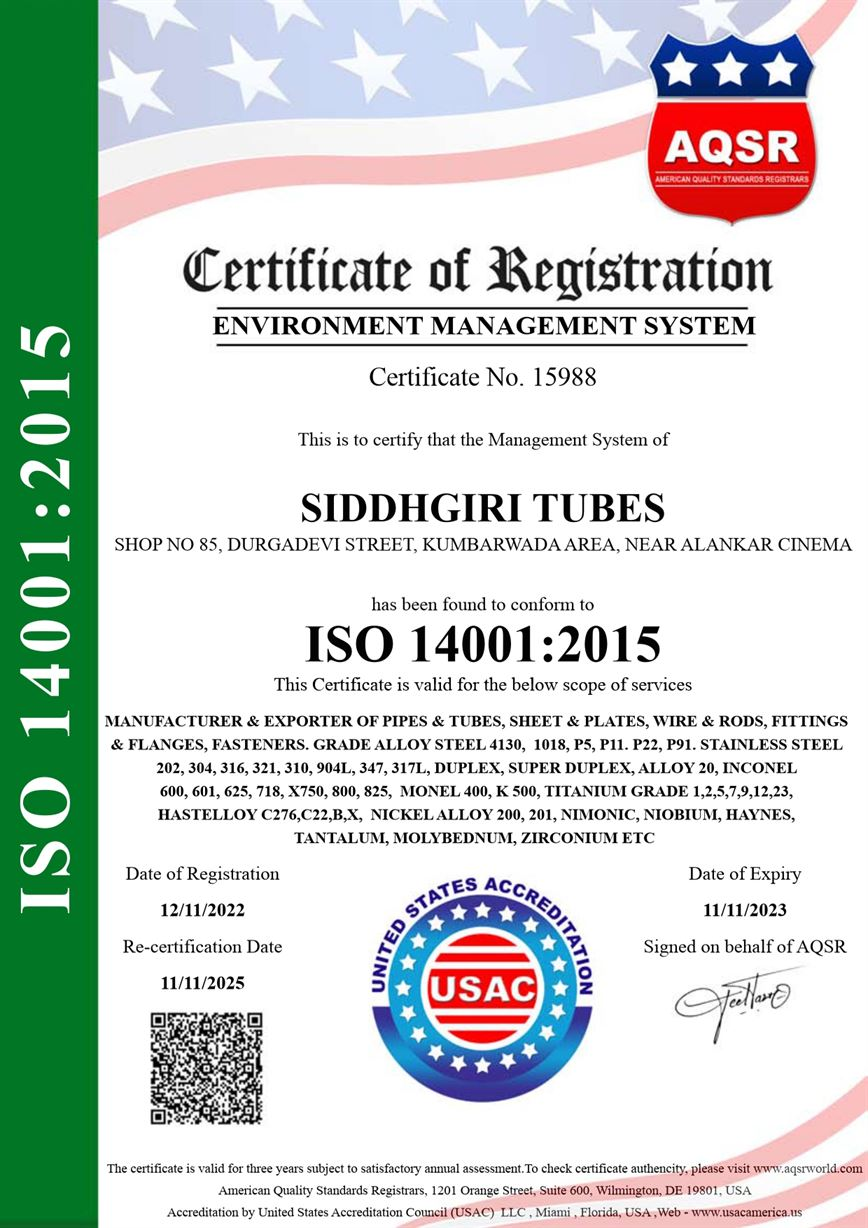
ISO 14001:2015
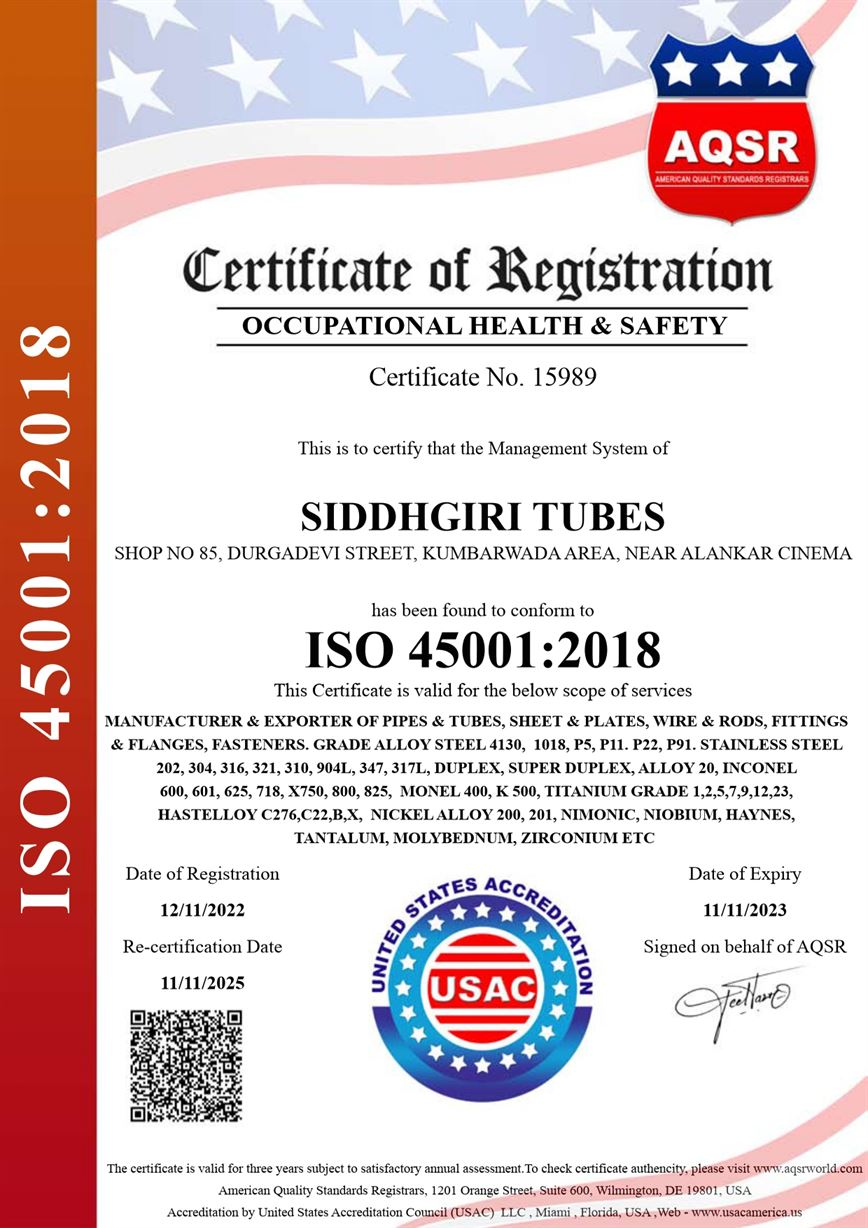
ISO 45001:2018
ISO 9001:2015
GST Certificate
Stainless Steel Exhaust Pipe Manufacturer in India

Stainless Steel Exhaust Pipe Manufacturer in India Since 1962

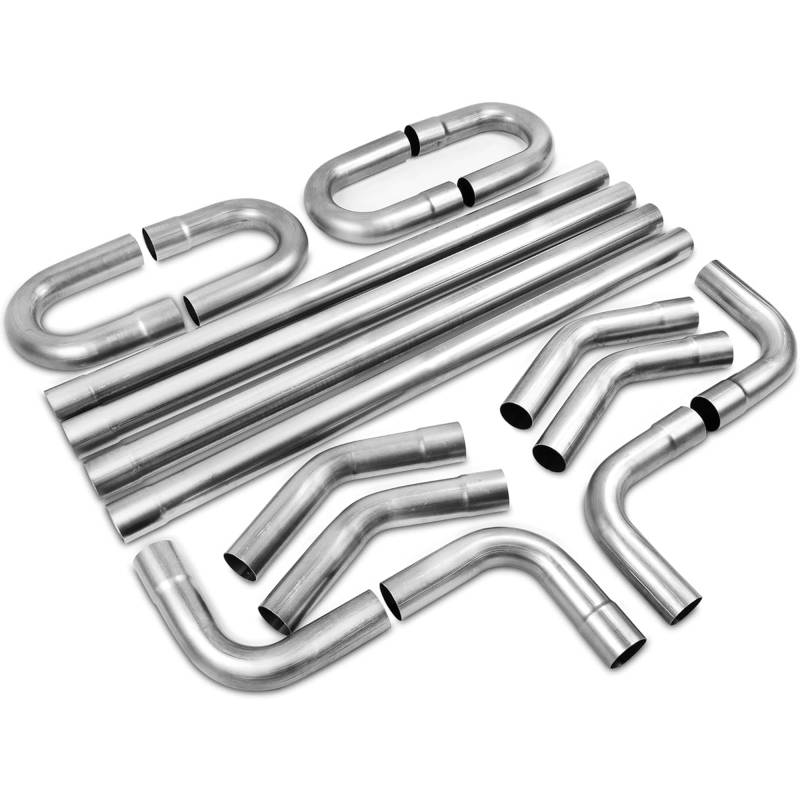
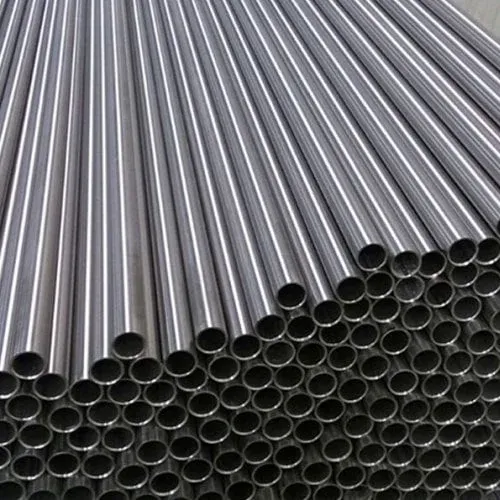
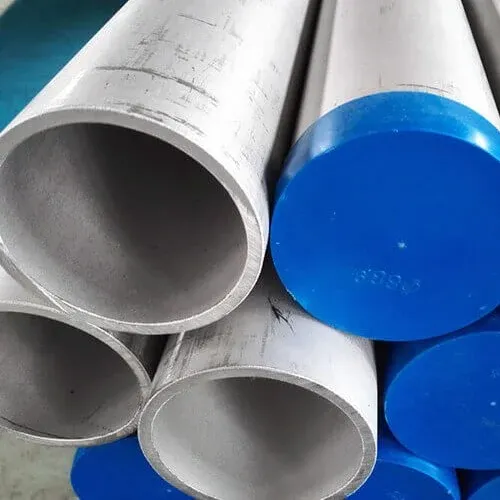
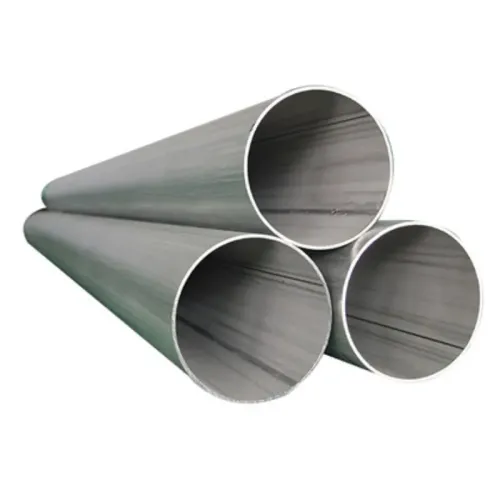
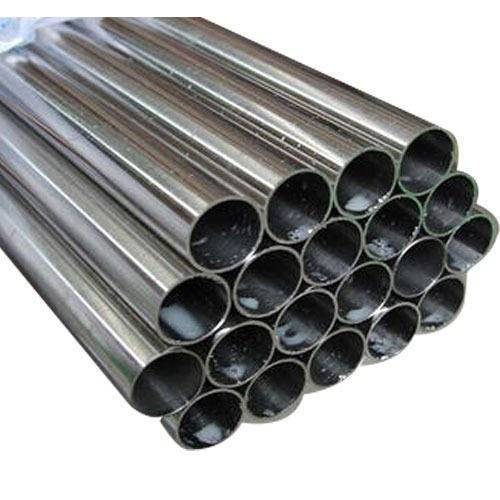
Siddhgiri Overseas manufactures stainless steel exhaust pipe for automotive and industrial applications from its Mumbai facility, in production since 1962. The range covers T304 austenitic tube, widely used in aftermarket and performance exhaust builds, and ferritic SS 409, the standard choice for factory-fit OEM exhaust systems where resistance to high-temperature oxidation and cost per length matter more than the small edge in corrosion resistance T304 offers. Exhaust tube is produced to the diameter range the application calls for — roughly 38mm to 55mm — and is available straight or pre-formed as single, double, and multiple mandrel bends, keeping the bore round and unrestricted through the curve for proper gas flow. Every length goes through dimensional checks before dispatch, and Mill Test Certificates are issued as standard supporting documentation. 

Stainless steel exhaust pipe carries hot combustion gases from the engine manifold, through the mid-pipe, and out through the muffler and tailpipe. Unlike general structural or industrial piping, exhaust tube has to hold its shape and surface integrity under a combination of sustained heat, thermal cycling, and exposure to condensation and road-side moisture on the outside of the pipe. 

Siddhgiri Overseas supplies exhaust-grade round welded pipe as part of its broader stainless steel pipe range, manufactured from its Mumbai facility since 1962. Sections are supplied as straight lengths or as mandrel-bent pipe formed to the bend configuration a fabricator or OEM line needs, with dimensional checks carried out before dispatch. 

Two grade families cover essentially all exhaust use cases: austenitic T304, and ferritic SS 409. Which one is right for a given job depends on where in the exhaust system the pipe sits and whether the build is an OEM production run or an aftermarket/performance install — covered in the next tab. 

Grade Selection: T304 vs SS 409

Exhaust systems almost always use one of two grade families, and the choice comes down to a trade-off between corrosion resistance and cost rather than one grade being simply "better" than the other. 

T304 (austenitic, 18% chromium / 8% nickel) — the nickel content gives T304 stronger overall corrosion resistance and good formability, which is why it's the grade most commonly specified for aftermarket and performance exhaust systems, where the pipe is often more visible, expected to last through multiple vehicle ownership cycles, and formed into tighter or more elaborate bend configurations. 

SS 409 (ferritic, roughly 11% chromium, no significant nickel) — this is the grade most OEM automotive exhaust lines are built on. It performs well against high-temperature oxidation up to around 675°C, which covers the operating range of most of the exhaust system, and it costs less than austenitic grades because it carries no nickel. The trade-off is that SS 409 can develop some cosmetic surface discoloration over time — this is a surface effect, not a sign of structural degradation, and the pipe retains its integrity through it. 

In practice: OEM production runs generally specify SS 409 for cost and thermal performance across the full run; aftermarket, performance, and any application where long-term surface appearance matters generally specify T304. Sections closest to the manifold, where temperatures run highest, are the ones most worth reviewing case-by-case regardless of which grade is used elsewhere in the system. 

Sizing, Bends & Standards

Sizing. Exhaust pipe is sized differently from general industrial pipe — diameters typically fall in the 38mm to 55mm range (roughly 1.5" to 2.2"), reflecting exhaust gas flow requirements rather than structural load-bearing sizing conventions used elsewhere in the pipe range. 

Bend types. Exhaust fabrication uses straight sections along with single, double, and multiple mandrel bends, depending on how many direction changes a given run of the system needs to route around the underside of the vehicle or through an industrial fume-extraction layout. Mandrel bending uses an internal support — the mandrel — inside the pipe while it's being bent, which keeps the cross-section round and undistorted through the curve instead of wrinkling or flattening on the inside radius. A distorted bend restricts gas flow at exactly the point where the pipe changes direction, so mandrel bending is the standard method wherever bend quality affects performance. 

Standards. ASTM A554 (welded stainless steel mechanical tubing) and ASTM A511 (seamless stainless steel mechanical tubing) are the grade specifications most commonly called out for exhaust and mechanical pipe applications, and Siddhgiri Overseas manufactures exhaust-grade pipe against these specifications. Mill Test Certificates are provided as standard supporting documentation with dispatch. 

Applications

Automotive OEM. Factory-fit exhaust systems are typically built on SS 409 across the full run from manifold to tailpipe, chosen for its high-temperature oxidation resistance and cost profile at production volumes. Aftermarket and performance. Replacement and performance exhaust systems more often specify T304 for its stronger corrosion resistance and formability, particularly for visible sections, custom mandrel-bent runs, and builds expected to outlast a factory system. Industrial exhaust and fume extraction. Beyond automotive use, the same grade and bend logic applies to industrial exhaust ducting and fume-extraction runs that need to handle elevated temperatures and repeated thermal cycling near the source, with straight or mandrel-bent sections selected to match the routing of the installation.

Certifications

Siddhgiri Overseas is ISO certified for quality, occupational health & safety and environment management, and holds the import and export certification required to supply stainless steel pipe and tube to customers worldwide. Certificate copies are available on request for buyers who need them for their own compliance records.

Related Categories

FAQs

Frequently Asked Questions About Stainless Steel Exhaust Pipe

It depends on the application. SS 409 is the standard choice for OEM factory exhaust systems because it resists high-temperature oxidation up to around 675°C and costs less than austenitic grades. T304 is generally preferred for aftermarket and performance exhaust systems where stronger corrosion resistance and long-term surface appearance matter more than cost per length. 

SS 409 is a ferritic grade without significant nickel content, and its surface can develop cosmetic discoloration with age and heat exposure. This is a surface-level effect only — it does not indicate a loss of structural integrity, and the pipe continues to perform its function normally. 

Sections near the manifold see the highest thermal load in the system, routinely approaching 900°C, along with repeated heating and cooling cycles as the vehicle or equipment is used. The pipe material has to expand and contract through these cycles without cracking, which is a key factor in grade and section selection near the manifold. 

Mandrel bending uses an internal support inside the pipe during the bend, which keeps the cross-section round and undistorted through the curve. Standard bending without a mandrel tends to wrinkle or flatten the inside of the bend, which restricts exhaust gas flow at that point in the system — so mandrel bending is the standard method wherever bend quality affects performance. 

Exhaust pipe is typically supplied in the 38mm to 55mm diameter range (roughly 1.5" to 2.2"), which is sized for exhaust gas flow rather than the larger diameters used in general industrial pipe. 

Exhaust and mechanical pipe is manufactured against ASTM A554 (welded) and ASTM A511 (seamless) mechanical tubing specifications, the grade standards most commonly called out for these applications. Mill Test Certificates are issued as standard documentation with each dispatch. 

Yes. Exhaust pipe is available as straight sections or pre-formed as single, double, or multiple mandrel bends to match the bend configuration a given exhaust run requires, with dimensional checks carried out before dispatch. 

Clients

Our Partners

Tata Power
Shell Global Solutions
ONGC
NRL
NTPC
NIOC
HP
JSL
Godrej
Bhel
Inoxium Tubi
24/7 we are here
Your Partner in Industrial Growth, Let’s get started today!