
Call us for a Pipe & Tube Quote
+91-96194-06392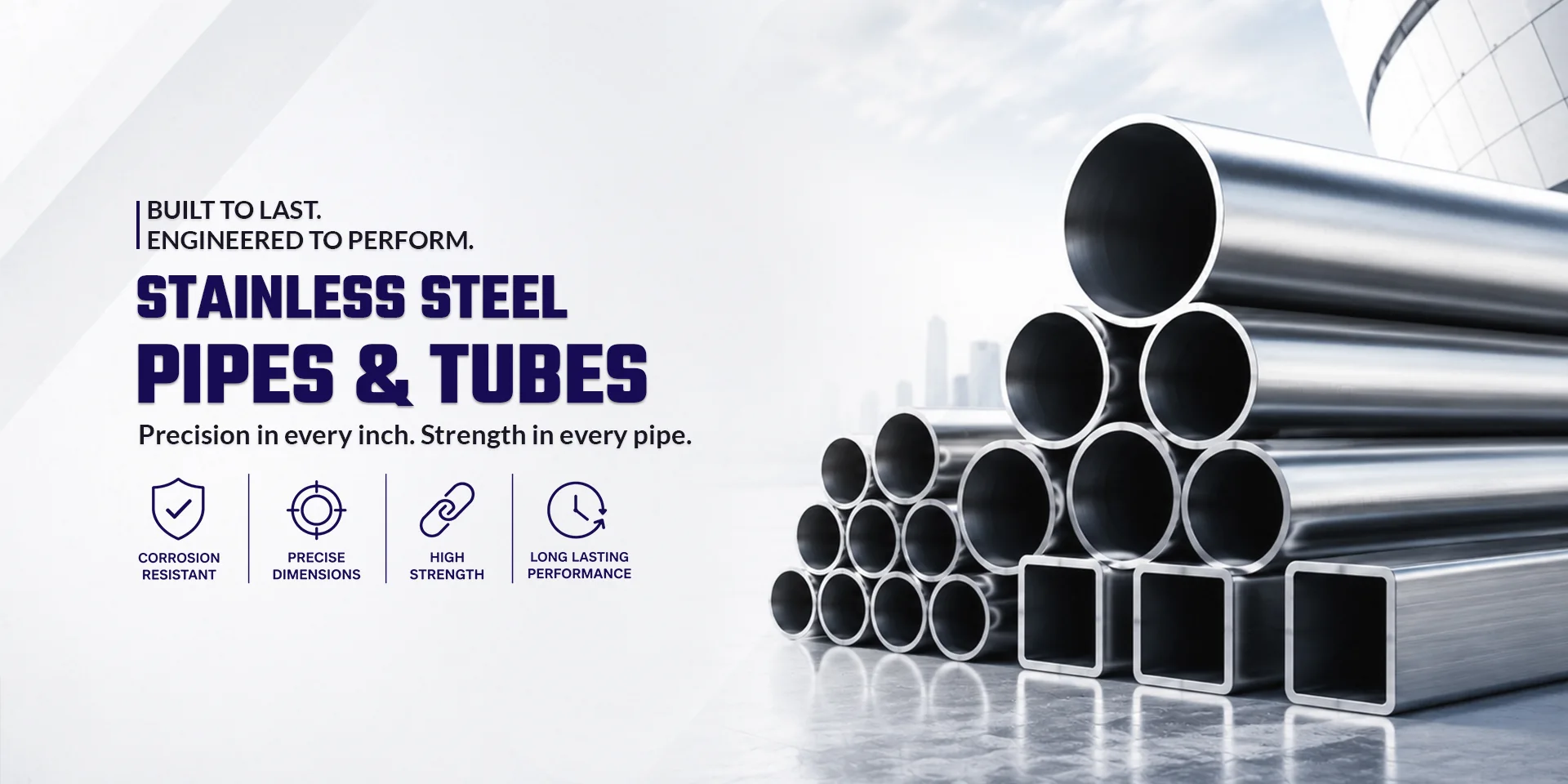
Welcome to
Siddhgiri Overseas
Stainless Steel Pipe & Tube Manufacturer in Abu Dhabi
Abu Dhabi is simply dummy text of the printing and typesetting industry. Lorem Ipsum has been the industry's standard dummy text ever since 1966, when designers at Letraset and James Mosley, the librarian at St Bride Printing Library in London, took a 1914 Cicero translation and scrambled it to make dummy text for Letraset's Body Type sheets. It has survived not only many decades, but also the leap into electronic typesetting, remaining essentially unchanged. It was popularised thanks to these sheets and more recently with desktop publishing software like Aldus PageMaker and Microsoft Word including versions of Lorem Ipsum.
Abu Dhabi is simply dummy text of the printing and typesetting industry. Lorem Ipsum has been the industry's standard dummy text ever since 1966, when designers at Letraset and James Mosley, the librarian at St Bride Printing Library in London, took a 1914 Cicero translation and scrambled it to make dummy text for Letraset's Body Type sheets. It has survived not only many decades, but also the leap into electronic typesetting, remaining essentially unchanged. It was popularised thanks to these sheets and more recently with desktop publishing software like Aldus PageMaker and Microsoft Word including versions of Lorem Ipsum.
Precision Manufacturing
We manufacture stainless steel pipes and tubes with a strong focus on dimensional accuracy, consistent quality and dependable material standards for diverse industrial applications.
Wide Product Range
From stainless steel pipes and tubes to 4130 chromoly tubes, we offer multiple sizes, shapes, grades and specifications to meet diverse industrial requirements.
Reliable Supply
Siddhgiri Overseas focuses on dependable sourcing, quality inspection and timely order coordination, helping customers receive the required materials with consistency and confidence.
Transparent Pricing
No hidden costs or unexpected surprises — every quotation we provide is clear, detailed and aligned with the agreed product specifications and requirements.
Category
Top Category
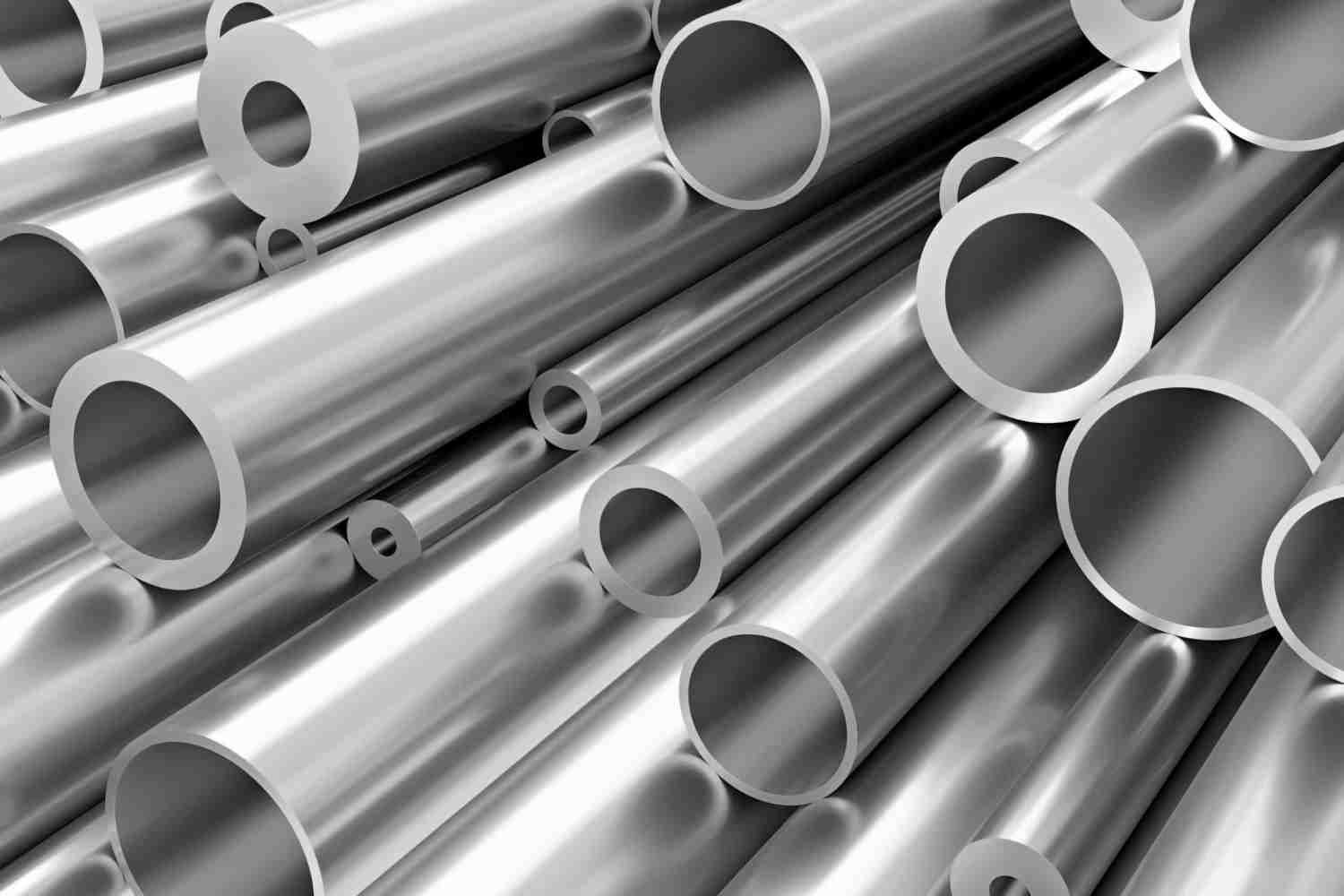
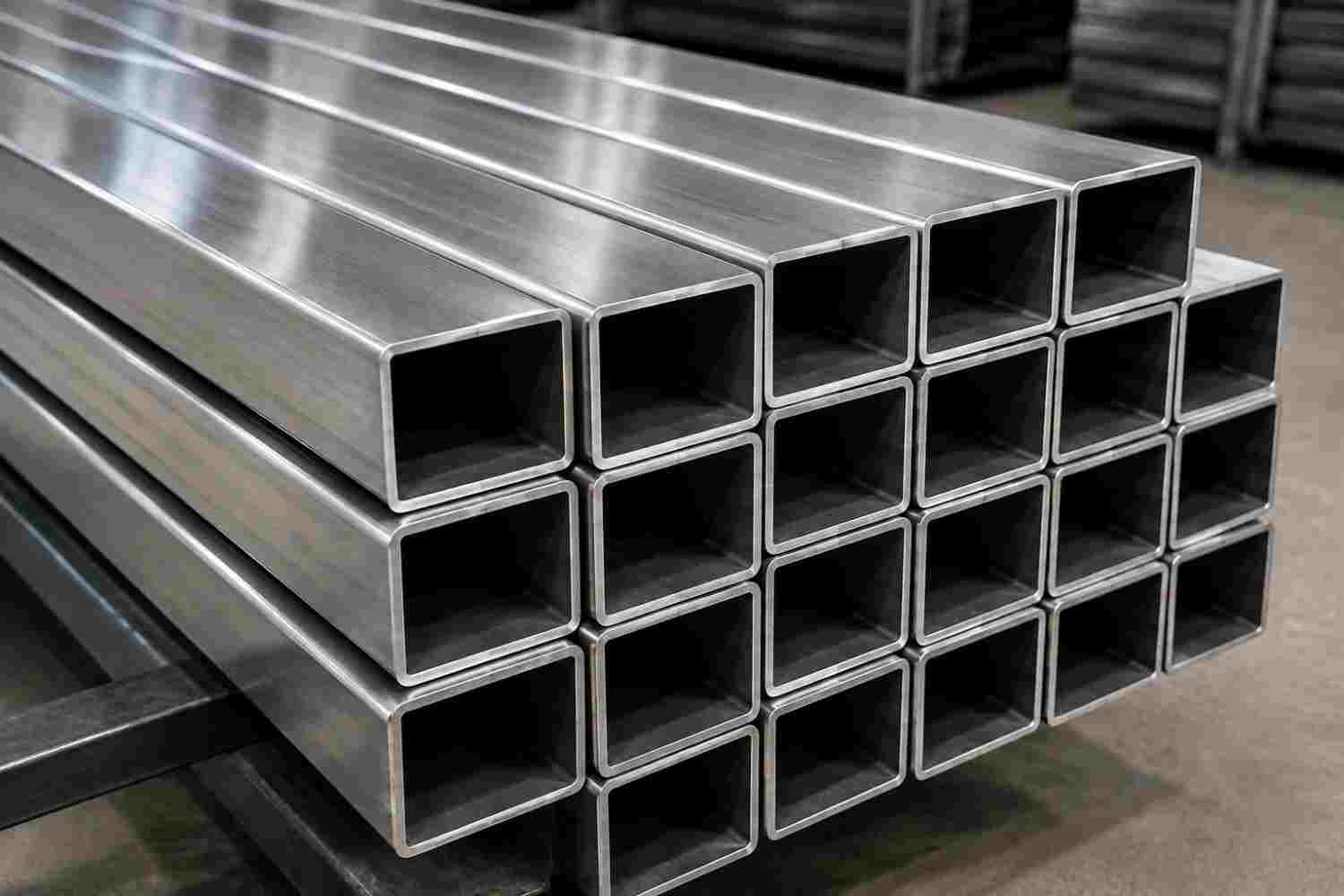
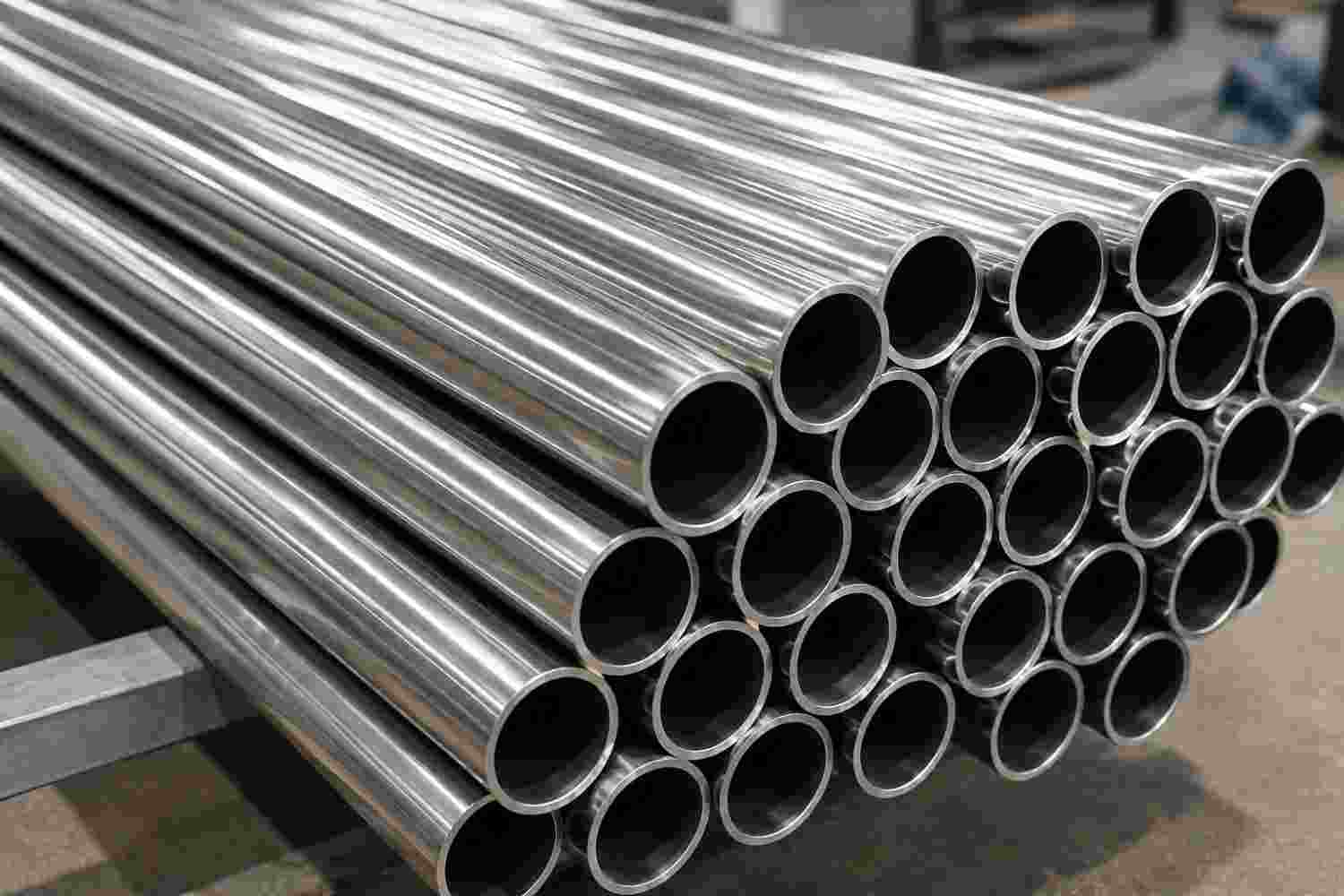
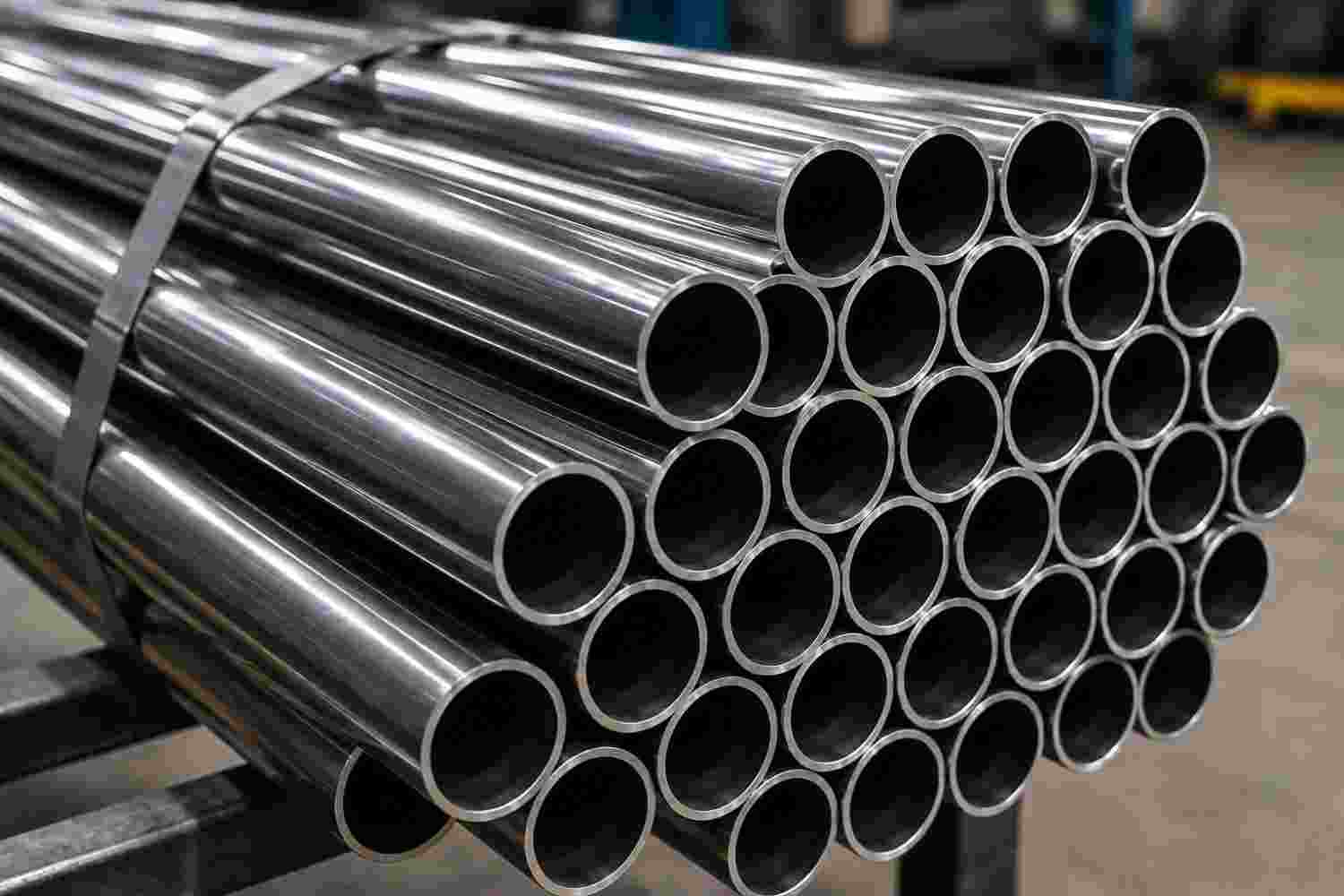
Products
Our Products
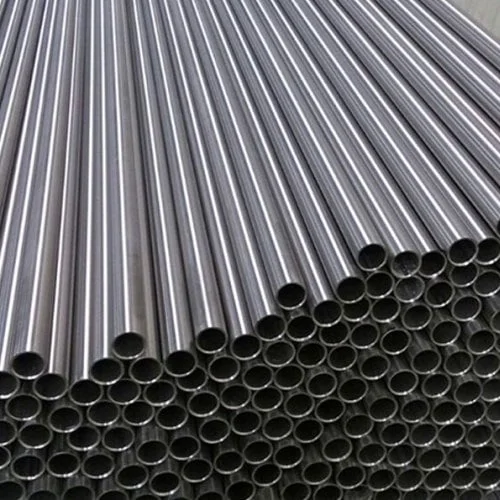
Siddhgiri Overseas manufactures stainless steel round pipe in both seamless and welded (ERW) construction, across a grade range spanning SS 202 through 347H, fr...
Read More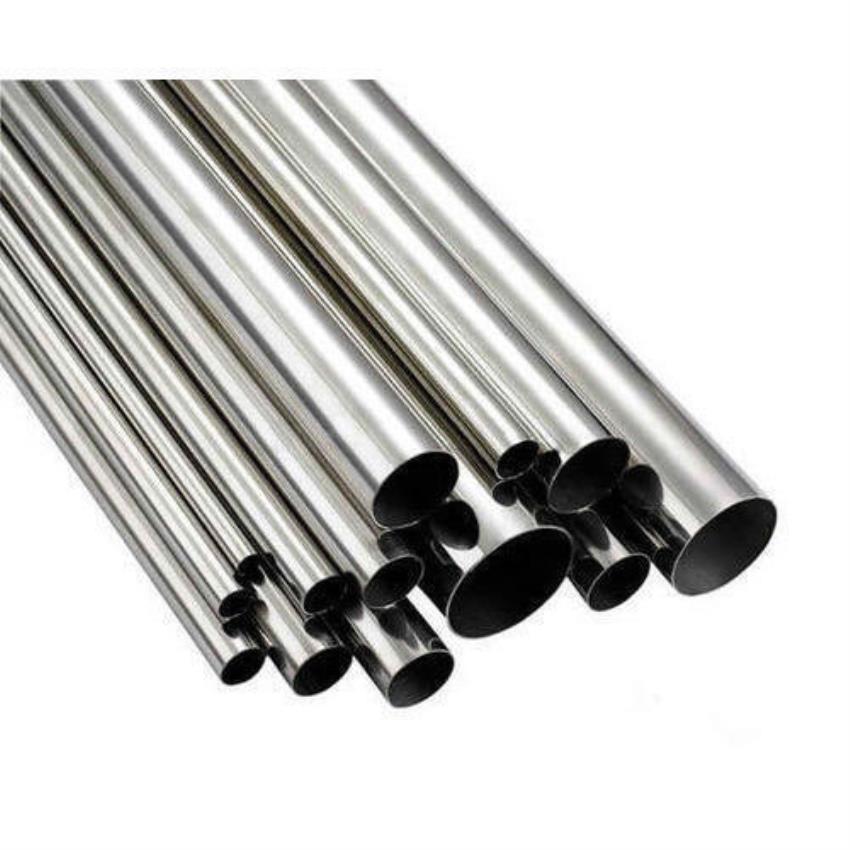
SS 202 stainless steel pipe is an austenitic chromium-manganese-nickel grade manufactured by Siddhgiri Overseas as a lower-cost alternative to SS 304, using man...
Read More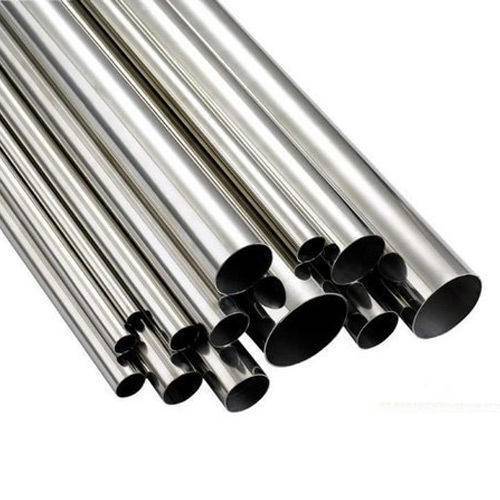
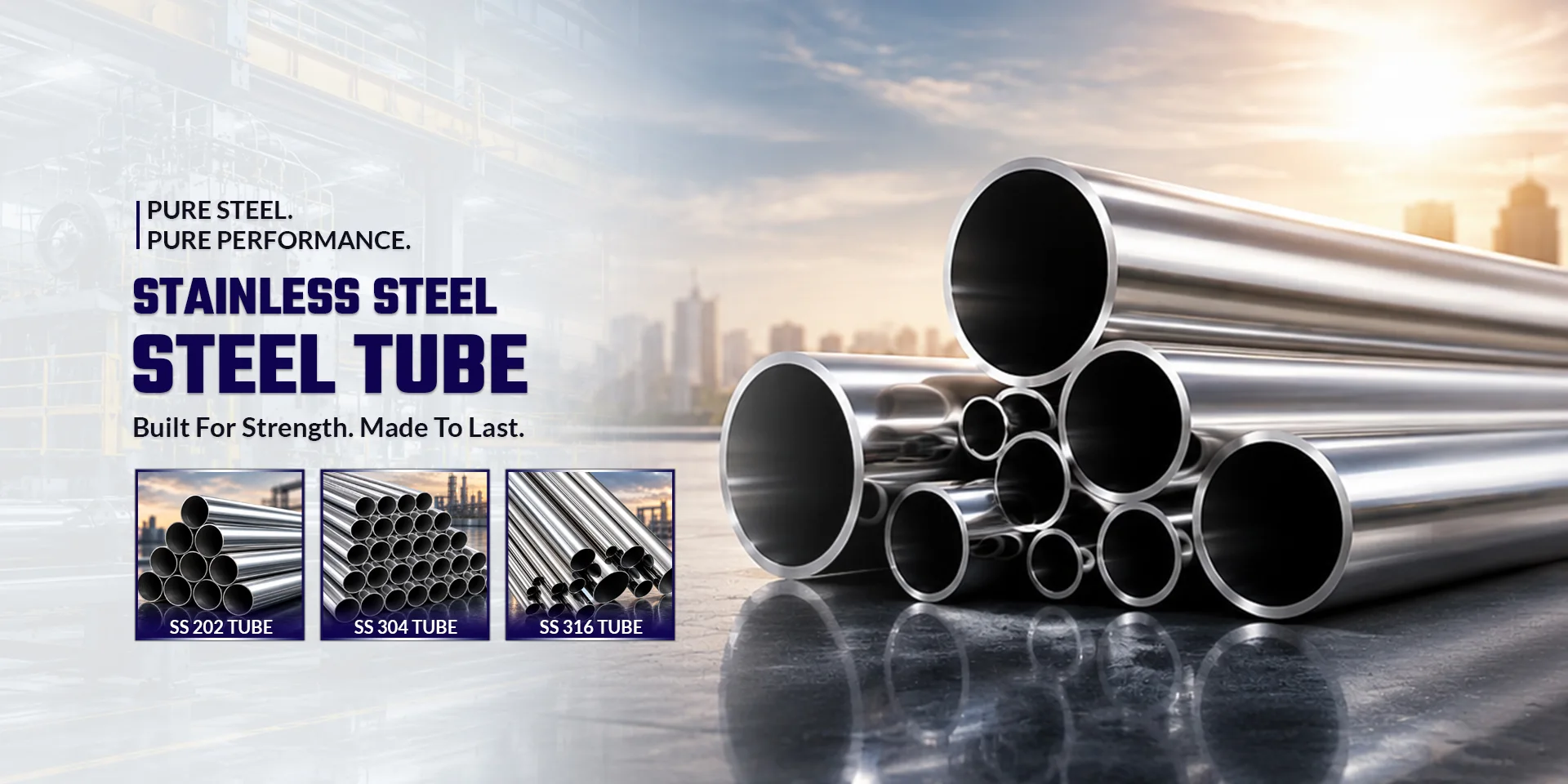
Siddhgiri Overseas manufactures Stainless Steel Seamless Tubes from our Mumbai facility, produced without any welded joint by piercing a solid billet into a hol...
Read More
SS 202 tube is an austenitic chromium-manganese-nickel stainless steel product manufactured by Siddhgiri Overseas as a cost-effective alternative to SS 304, usi...
Read More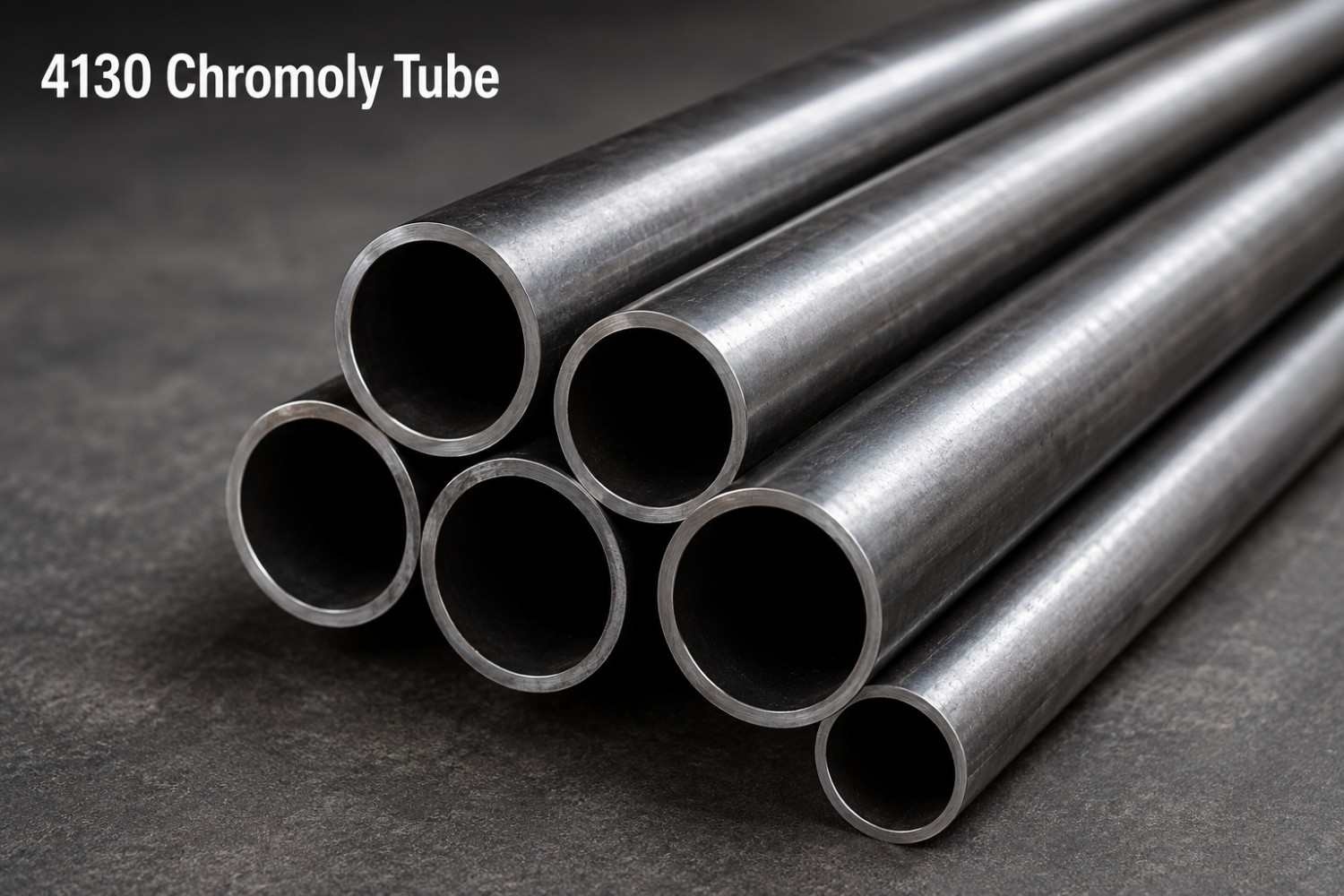
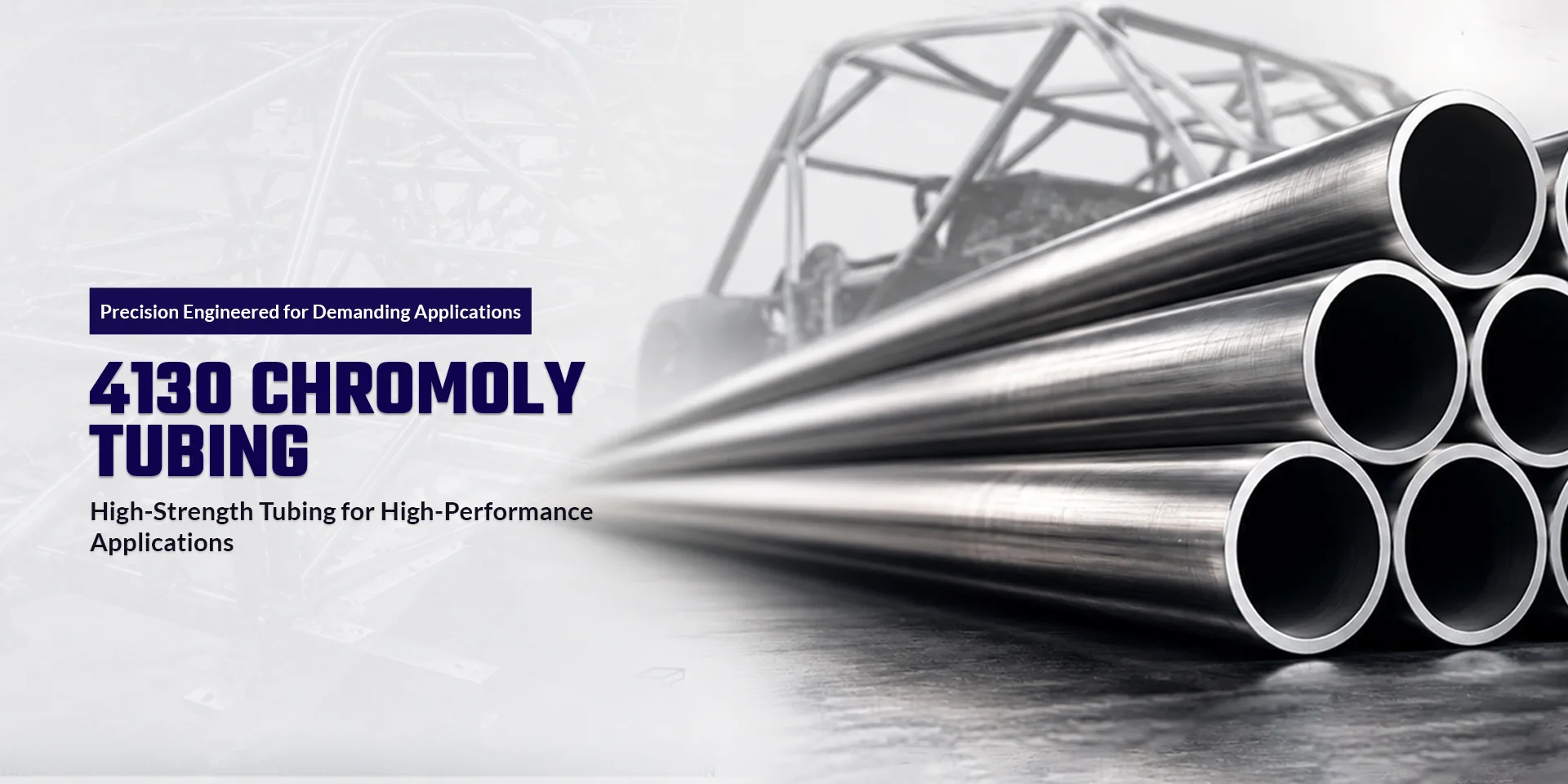
Siddhgiri Overseas manufactures 4130 chromoly tube from our Mumbai facility as a seamless, cold-drawn chromium-molybdenum alloy steel tube — not a stainle...
Read More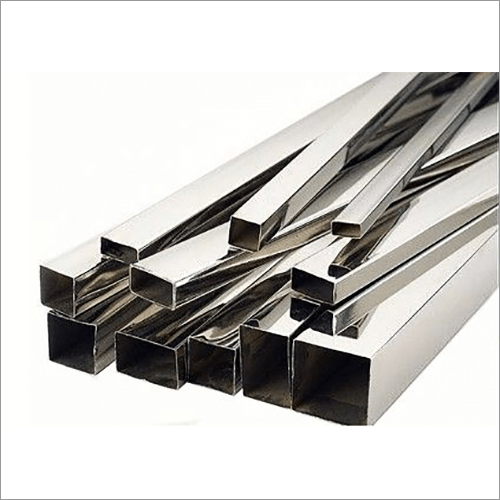
Siddhgiri Overseas manufactures stainless steel square pipe for structural, mechanical, and architectural use, produced in sizes from 12mm x 12mm up to 100mm x...
Read More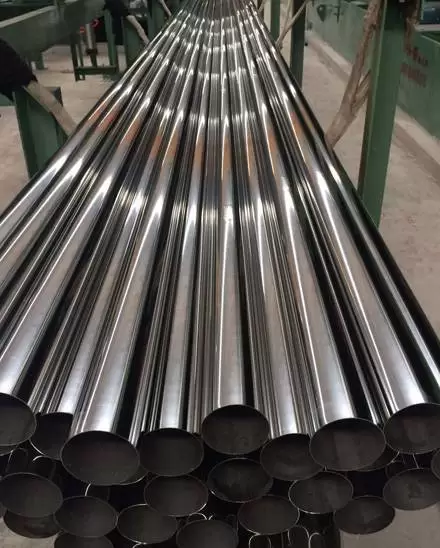
SS 304 is the world's most widely used austenitic stainless steel, prized as an "18/8" grade for its roughly 18% chromium and 8% nickel content th...
Read More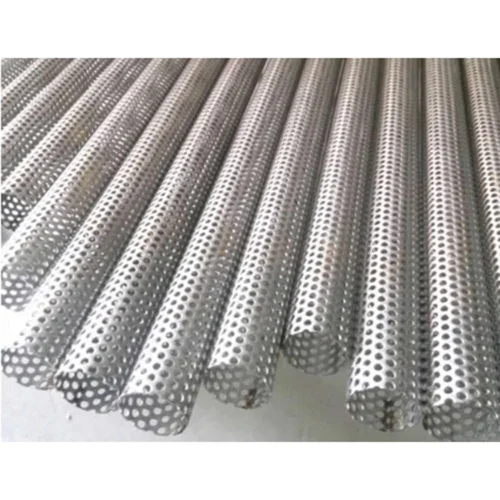
Siddhgiri Overseas manufactures Stainless Steel Perforated Tubes from our Mumbai facility, producing cylindrical tube sections with precisely punched holes that...
Read More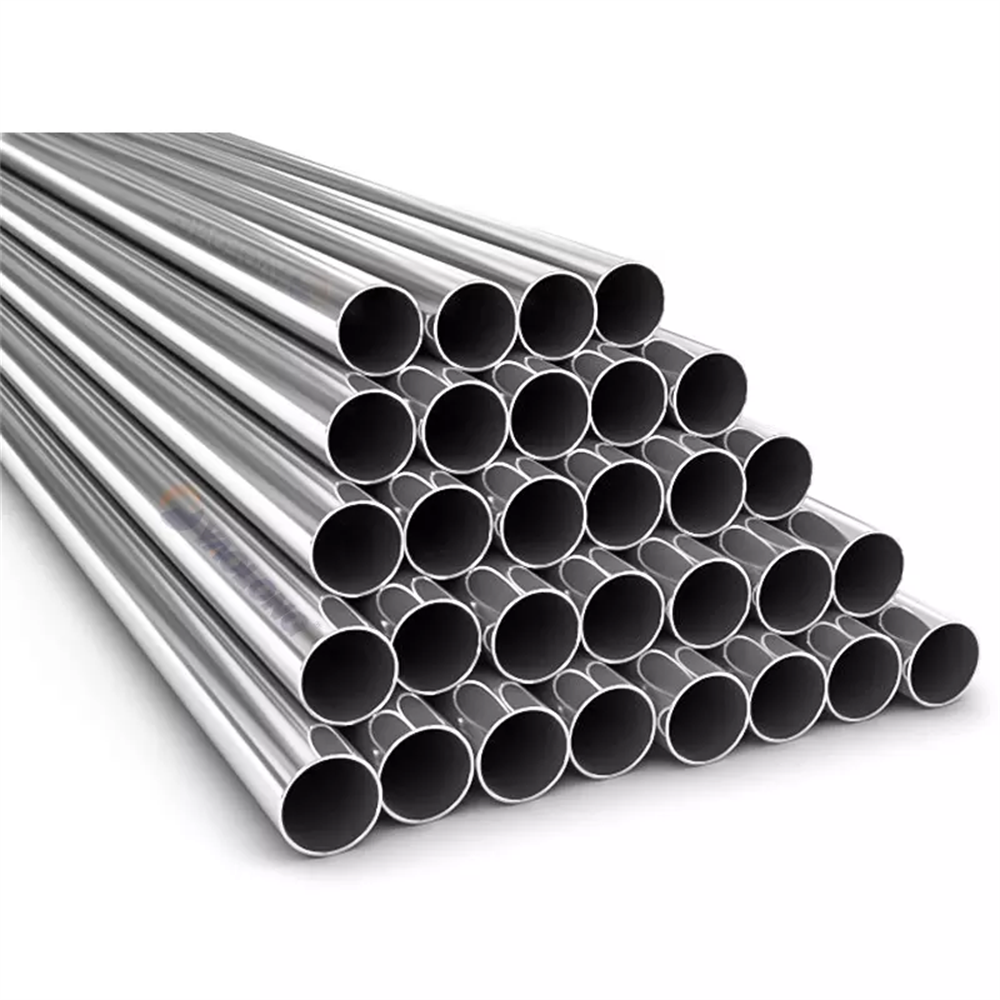
SS 304 is the world's most widely used austenitic stainless steel tube grade, valued as an "18/8" material for its 18-20% chromium and 8-10.5% nic...
Read More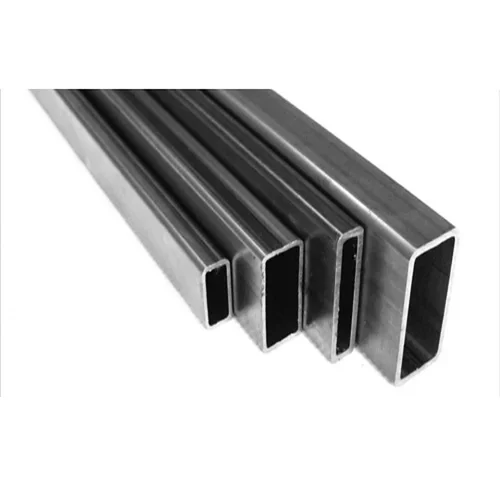
Siddhgiri Overseas manufactures stainless steel rectangular pipe by reshaping round welded tube through progressive turks-head sizing dies, producing a precise...
Read More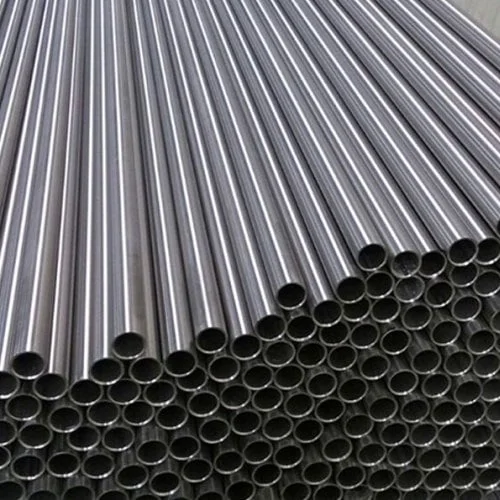
SS 304L pipe is the low-carbon version of SS 304, with carbon capped at 0.03% against 0.08% for standard 304. That single difference solves a real field problem...
Read More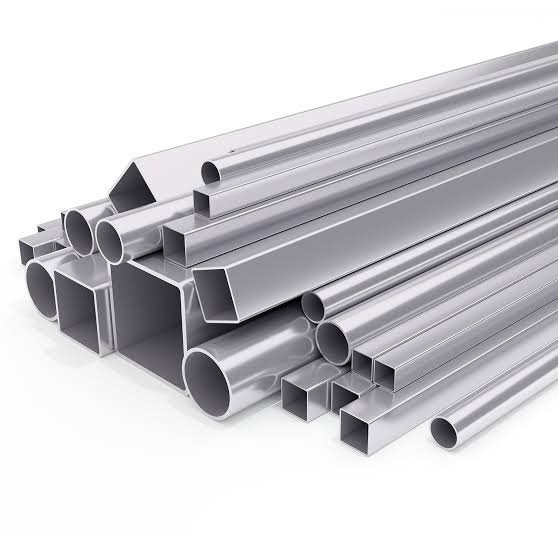
Selecting a stainless steel tube grade is a tighter decision than selecting pipe, because tube is typically specified for duty where dimensional precision and a...
Read More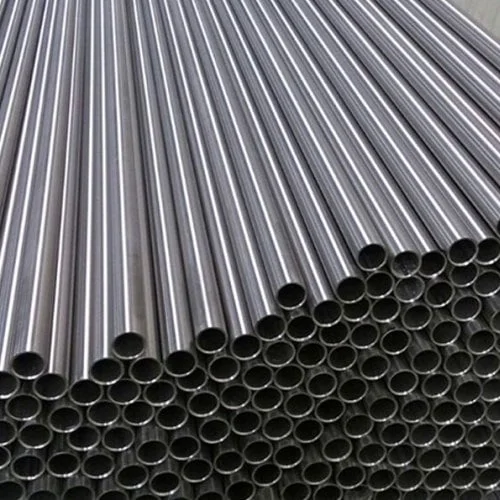
Siddhgiri Overseas manufactures SS 304L stainless steel tube from our Mumbai facility, established in 1962. SS 304L is the extra-low-carbon version of standard...
Read More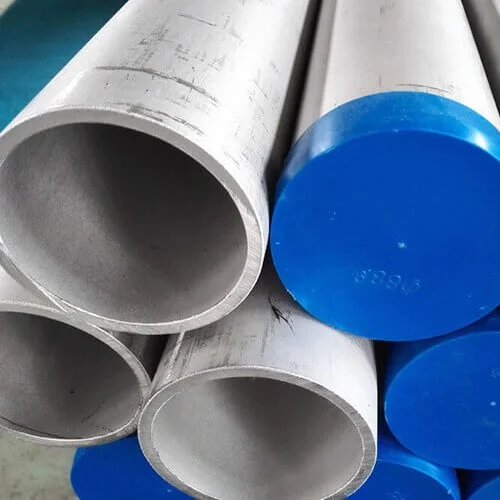
Siddhgiri Overseas manufactures stainless steel seamless pipe from our Mumbai facility, in production since 1962. Seamless pipe is pierced and drawn from a soli...
Read More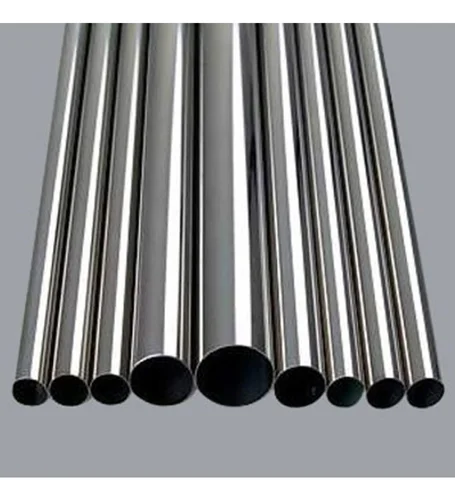
Siddhgiri Overseas manufactures SS 316 pipe for applications where standard 304 stainless falls short — marine and offshore installations, coastal archite...
Read More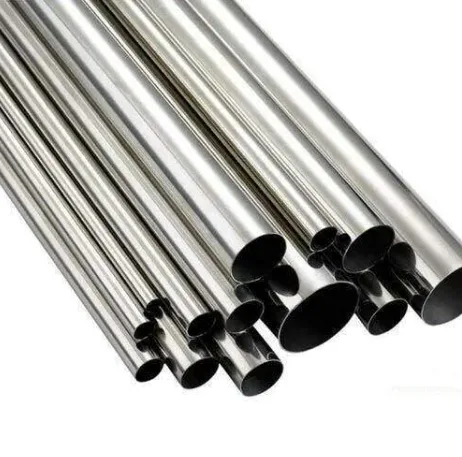
Siddhgiri Overseas manufactures SS 316 stainless steel tube from our Mumbai facility, produced in seamless and welded (ERW) construction for applications where...
Read More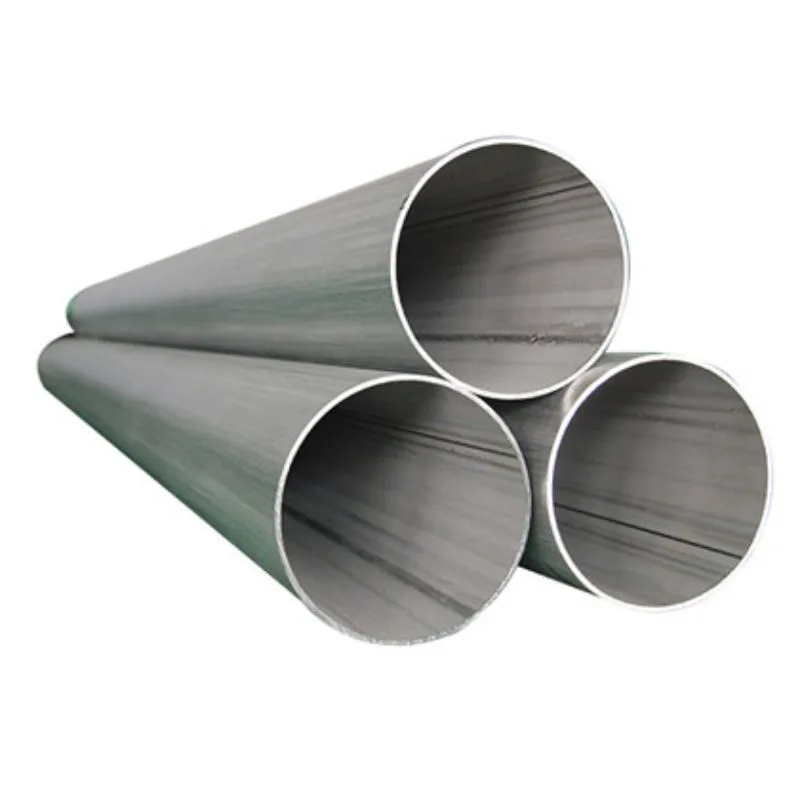
Stainless steel welded pipe is produced by rolling flat coil or plate into a round or shaped section and joining the seam along its length, rather than piercing...
Read More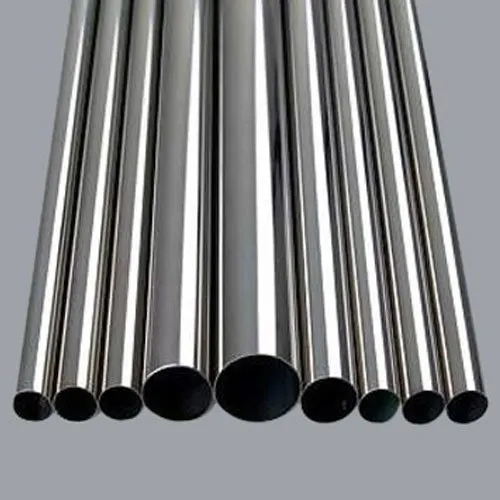
SS 316L pipe is the low-carbon variant of SS 316, engineered for applications where welding is unavoidable and corrosion resistance cannot be compromised. Carbo...
Read More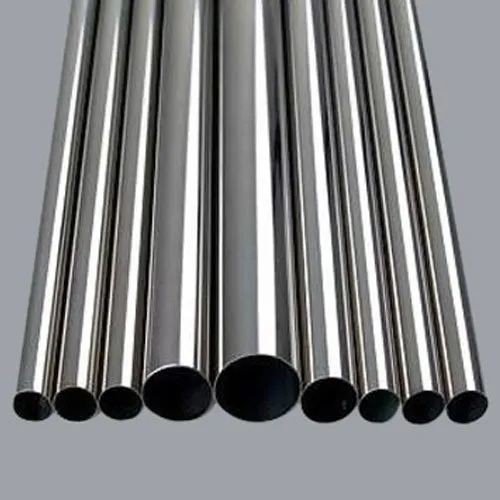
Siddhgiri Overseas manufactures SS 316L tube from our Mumbai facility, supplying the low-carbon, molybdenum-bearing austenitic grade that industry specifies whe...
Read More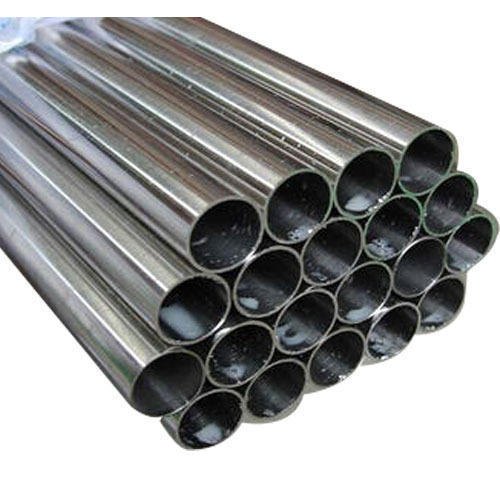
Siddhgiri Overseas manufactures Stainless Steel ERW Pipe as part of its welded pipe range, forming each pipe by rolling flat stainless steel strip into a tube a...
Read More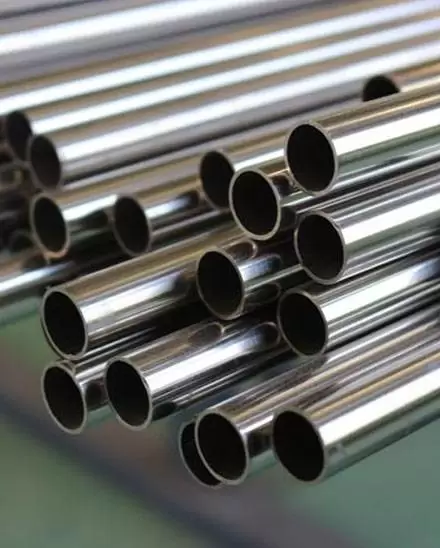
SS 321 pipe is a titanium-stabilized austenitic stainless steel built for one specific job: staying structurally sound after long exposure to 427°C-816°...
Read More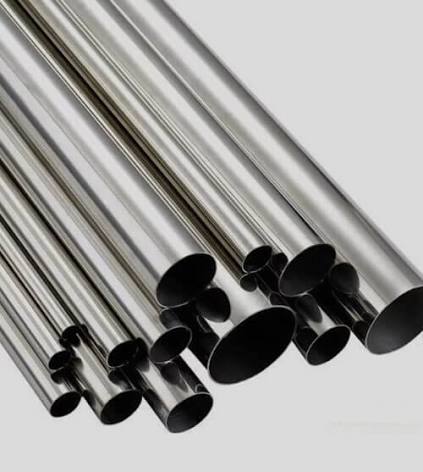
SS 321 tube is a titanium-stabilized austenitic stainless steel tube built for one specific job: staying corrosion-resistant and structurally sound after sustai...
Read More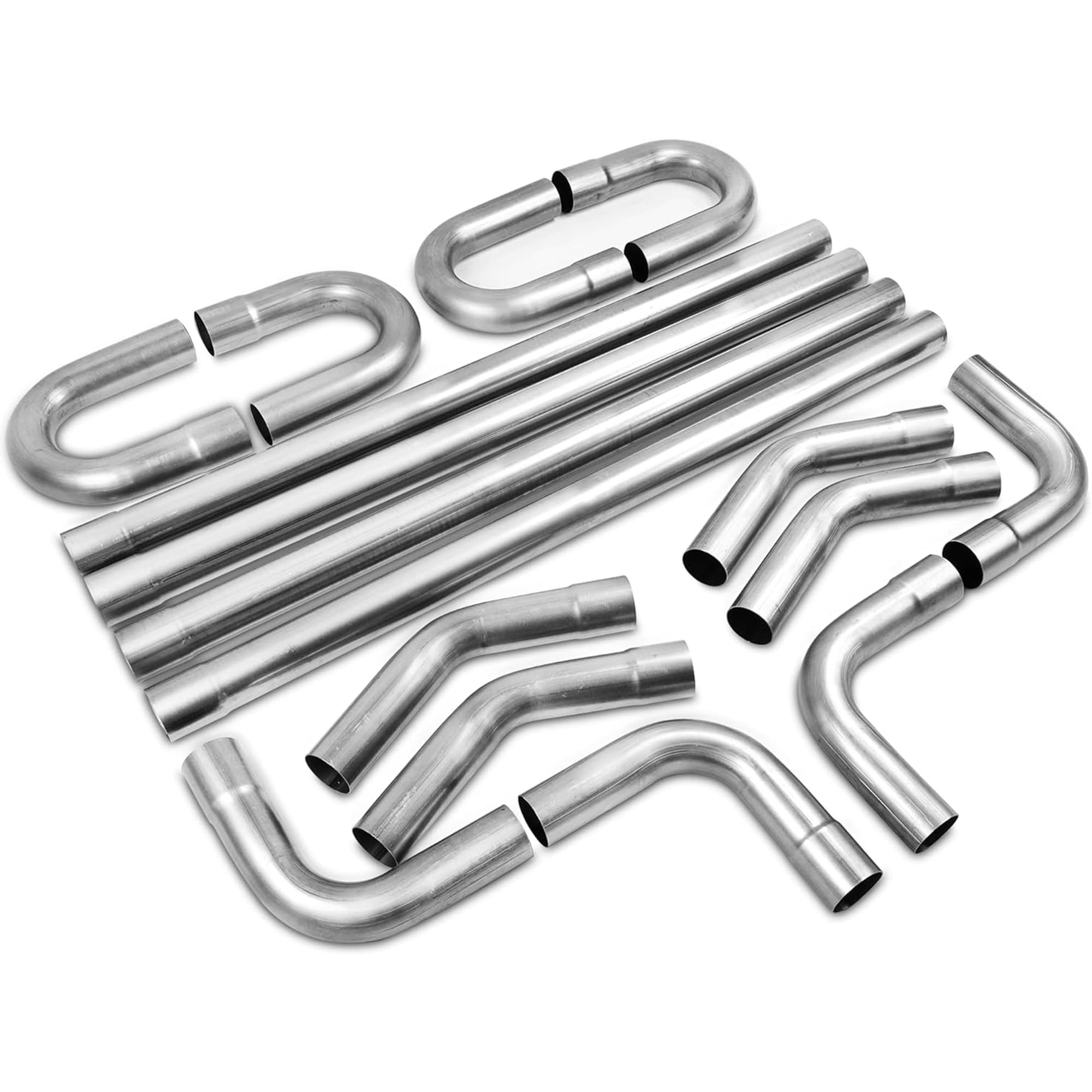
Siddhgiri Overseas manufactures stainless steel exhaust pipe for automotive and industrial applications from its Mumbai facility, in production since 1962. The...
Read More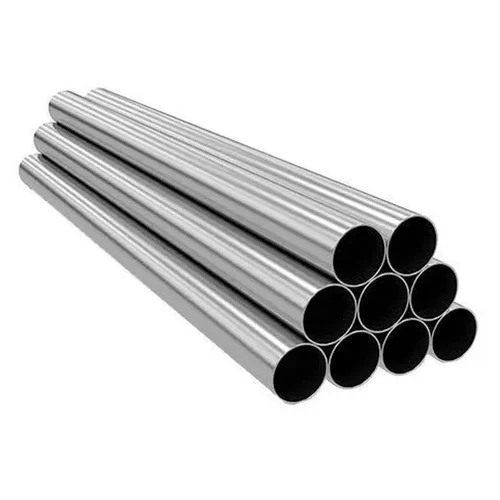
SS 310 pipe is the grade Siddhgiri Overseas recommends when a project's real constraint isn't strength or corrosion resistance alone — it's su...
Read More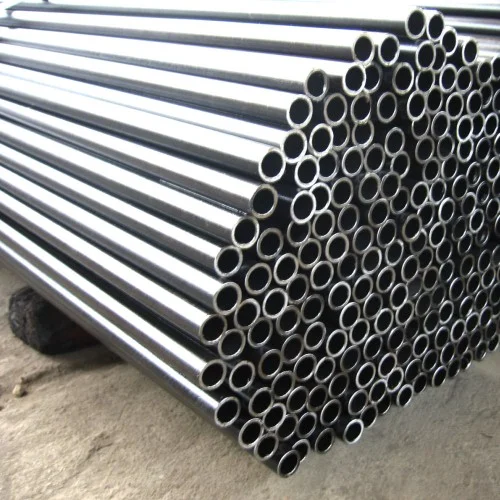
Siddhgiri Overseas manufactures SS 310 Tube from our Mumbai facility for applications where sustained, extreme heat — not corrosion resistance alone &mdas...
Read More
Choosing the right stainless steel pipe grade comes down to three questions: what will the pipe be exposed to, how will it be joined, and how hot will it get in...
Read More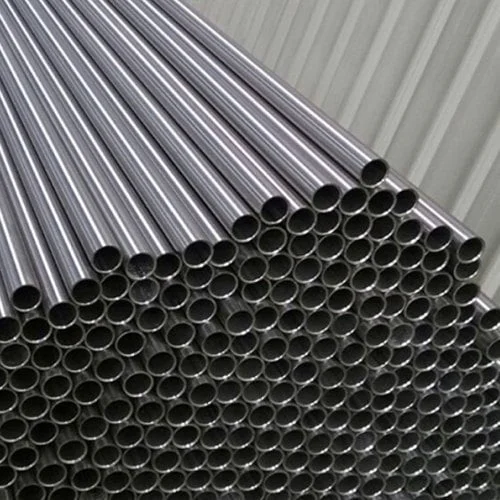
SS 347H pipe is a high-carbon, niobium-stabilized austenitic stainless steel grade built for sustained service in the 400°C-815°C carbide-precipitation...
Read More
Siddhgiri Overseas manufactures SS 347H Tube from our Mumbai facility, an austenitic stainless steel tube grade stabilized with niobium (columbium) specifically...
Read MoreManufacturing Since 1962
Stainless Steel Pipe & Tube Manufacturing With Modern Production Technology
Send us your pipe or tube requirement and our team will get back to you, or visit our Mumbai facility anytime.
Post Your Requirement
We’ll reply within 48 hrs for better support
Industries Served
Industries We Serve
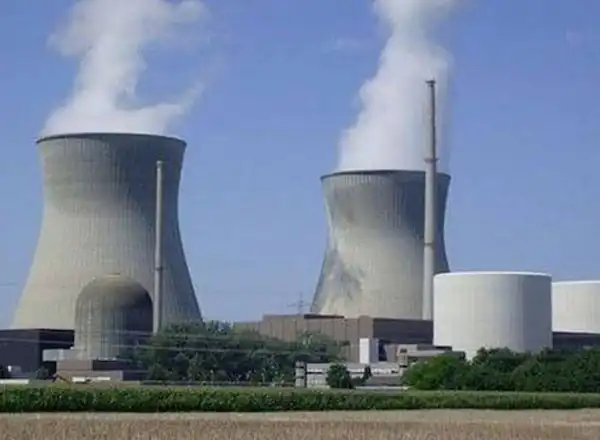
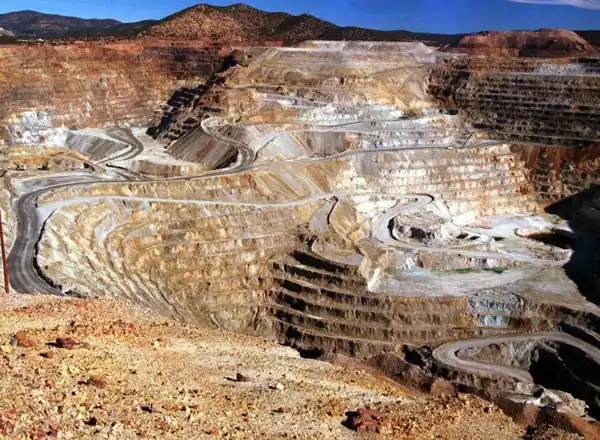
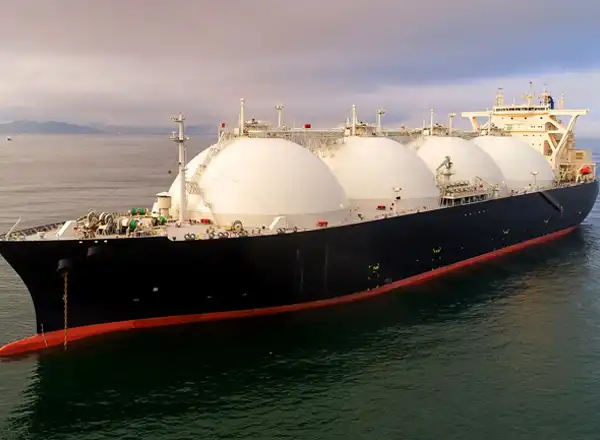
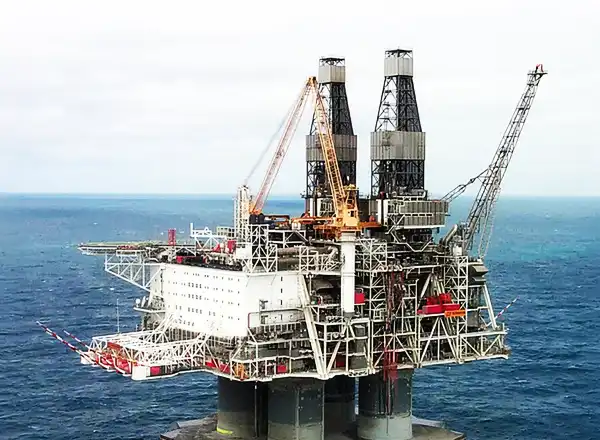
Supplying stainless steel pipes and tubes to a wide range of industries, each with its own material, tolerance and certification requirements.
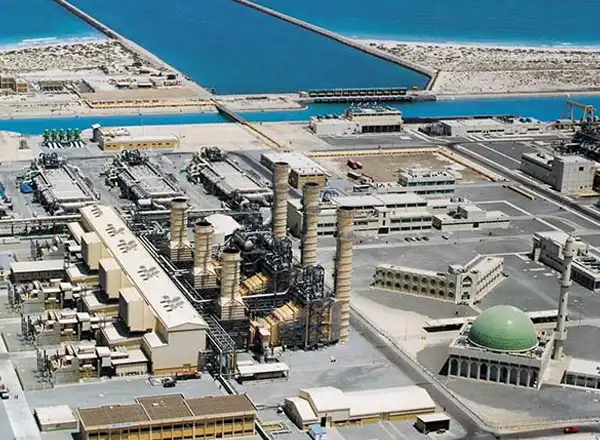
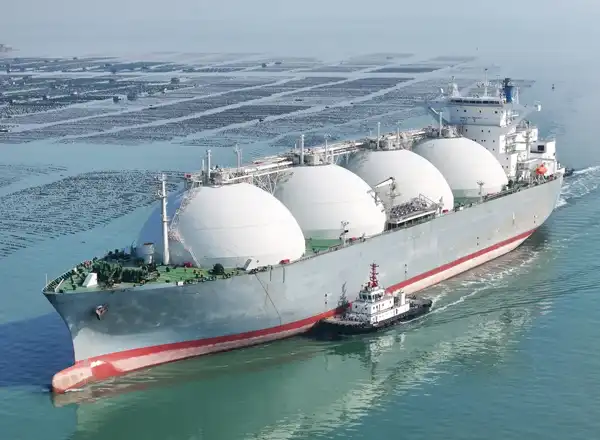
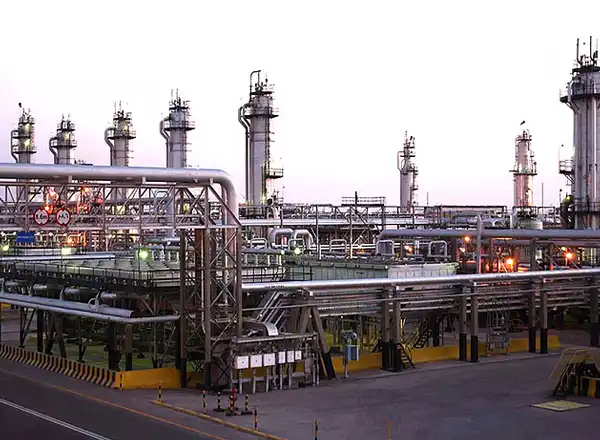
Our Pan-India Presence & Export Markets
Global Stainless Steel Pipe & Tube Exporter from India
Siddhgiri Overseas supplies stainless steel pipes and tubes to fabricators, engineering firms, process industries, project contractors, distributors and industrial buyers across India and international markets. From our operations in India, we support domestic and export requirements with stainless steel products available in different grades, sizes, wall thicknesses, profiles and specifications.
Beyond the Indian market, we serve customers across the Middle East, Gulf, Southeast Asia, Europe, Africa, North America, South America and Asia-Pacific. Our export-focused supply supports customers looking for consistent material quality, specification-based products, appropriate documentation and reliable shipment coordination.
Stainless Steel Pipe & Tube Exports to the UAE
We supply stainless steel pipes and tubes for customers across the United Arab Emirates, including Dubai, Abu Dhabi and Sharjah. Products can be supplied for industrial projects, engineering applications, fabrication, process industries, distributors and other commercial requirements.
Stainless Steel Pipe & Tube Exports to Saudi Arabia
Our export markets include Saudi Arabia, supporting customers in major industrial and commercial locations including Dammam, Riyadh and Jeddah. Stainless steel pipes and tubes can be supplied according to the required grade, size, quantity and specification.
Stainless Steel Pipe & Tube Exports to Qatar, Kuwait and Oman
We serve stainless steel pipe and tube requirements across the Gulf region, including Qatar, Kuwait and Oman, with supply to markets such as Doha and Muscat. Export orders can be evaluated according to product specifications, quantities and documentation requirements.
Stainless Steel Pipe & Tube Exports to Southeast Asia
Our international markets include Malaysia, Singapore, Thailand, Indonesia, the Philippines and Vietnam. We support requirements across locations such as Penang, Johor Bahru, Bangkok and Cebu for stainless steel pipes and tubes used in industrial, engineering, fabrication and process applications.
Stainless Steel Pipe & Tube Exports to Europe
We supply stainless steel pipes and tubes to customers across Europe, including markets such as the United Kingdom, Germany, France, Italy and the Netherlands. Our export supply is intended for industrial buyers, distributors, engineering companies, fabricators and project requirements.
Stainless Steel Pipe & Tube Exports to North America
Our international markets include the United States and Canada. We support stainless steel pipe and tube requirements for customers across North American industrial markets, including Houston, Texas, subject to product specifications, quantities and destination requirements.
Stainless Steel Pipe & Tube Exports to Africa
We serve customers across African markets including South Africa, Kenya, Uganda, Nigeria, Tanzania, Ghana, Zambia and Algeria. Our supply can support industrial, engineering, fabrication, infrastructure and project-based requirements.
Stainless Steel Pipe & Tube Exports to Asia-Pacific
Our wider Asian and Asia-Pacific markets include Japan, South Korea, Taiwan, China, Sri Lanka and Australia. Stainless steel pipes and tubes can be supplied according to required material grade, dimensions, quantity and application.
Stainless Steel Pipe & Tube Exports to Other International Markets
Our international customer base also extends across markets including Turkey, Jordan, Egypt, Israel, Russia, Brazil, Mexico, Argentina and Costa Rica. Export requirements are evaluated according to product specifications, order quantities, destination and applicable documentation requirements.
Export Markets We Serve
Our stainless steel pipe and tube export markets include customers across:
- Middle East & Gulf: UAE, Saudi Arabia, Qatar, Kuwait, Oman, Jordan and Egypt
- Southeast Asia: Malaysia, Singapore, Thailand, Indonesia, Philippines and Vietnam
- East Asia: China, Japan, South Korea and Taiwan
- Europe: UK, Germany, France, Italy, Netherlands, Turkey and Russia
- North America: USA and Canada
- Africa: South Africa, Kenya, Uganda, Nigeria, Tanzania, Ghana, Zambia and Algeria
- Asia-Pacific: Australia and Sri Lanka
- Latin America: Brazil, Mexico, Argentina and Costa Rica
Export-Ready Stainless Steel Pipe & Tube Supply
International buyers often require more than product availability. Grade, dimensions, quantity, documentation, packaging and shipment coordination can all be important when sourcing stainless steel pipes and tubes internationally. Siddhgiri Overseas works with customers to understand these requirements and coordinate supply accordingly.
- Stainless steel pipe and tube supply for international orders
- Different stainless steel grades and specifications
- Round, square and rectangular pipe profiles
- Seamless, welded and ERW pipe options
- Stainless steel seamless and perforated tube options
- Grade and dimensional requirements based on customer specifications
- Material documentation and mill test certificates (EN 10204 3.1) supplied with the material
- Export shipment coordination
- Support for distributors, fabricators and industrial buyers
Stainless Steel Pipe & Tube Exporter for Global Buyers
Whether you are sourcing stainless steel pipes and tubes for a project in the UAE, Saudi Arabia, Qatar, Oman, USA, Canada, UK, Germany, France, Italy, Netherlands, Australia, Malaysia, Singapore, South Africa or another international market, share your requirements with our team.
Provide your product type, stainless steel grade, size, wall thickness, quantity, required specification and destination country. Siddhgiri Overseas can review the requirement and confirm suitable product availability, documentation and shipment details.
Certified & Compliant
Our Certifications
Siddhgiri Overseas is ISO certified for quality, occupational health & safety and environment management, and holds the import and export certification required to supply stainless steel pipe and tube to customers worldwide.
Import Export
European Directive 2014/68/EU
ISO 14001:2015
ISO 45001:2018
ISO 9001:2015
GST Certificate
FAQs
Frequently Asked Questions
Answers to what customers most often ask about our stainless steel pipe & tube grades, sizes, manufacturing process and ordering. Can't find what you're looking for? Contact us anytime.
We supply a wide range of stainless steel pipes, including round, square, rectangular, seamless, welded, ERW and exhaust pipes in different stainless steel grades and specifications.
We supply stainless steel tubes including seamless and perforated tubes in commonly required grades such as SS 202, SS 304, SS 304L, SS 316, SS 316L, SS 321, SS 310 and SS 347H.
Our product range includes SS 202, SS 304, SS 304L, SS 316, SS 316L, SS 321, SS 310 and SS 347H pipes and tubes, subject to the required size and specification.
Pipes are generally specified for fluid or gas flow and are commonly identified by nominal size and schedule, while tubes are often specified by outside diameter and wall thickness and are widely used in structural, fabrication and engineering applications.
Yes. We supply both seamless and welded stainless steel pipes, depending on the required grade, dimensions, application and specification.
Yes. SS 304 and SS 316 are among the commonly requested stainless steel grades available in our pipe and tube range. Availability depends on the required size, thickness and specification.
Yes. Stainless steel pipes and tubes are available in different sizes, wall thicknesses and specifications. You can share your required dimensions and material grade to confirm suitable options.
Yes. Our stainless steel pipe range includes round, square and rectangular profiles for various industrial, fabrication, structural and engineering applications.
Yes. Stainless steel pipes and tubes can be supplied for a variety of industrial and engineering applications. The appropriate grade, size, thickness and pipe or tube type depend on the specific application requirements.
Yes. We also offer Chromoly tube products, including 4130 Chromoly Tube, for applications requiring suitable high-strength alloy tubing. Specifications and availability should be confirmed according to the required application.
Blogs
Our Latest Blogs
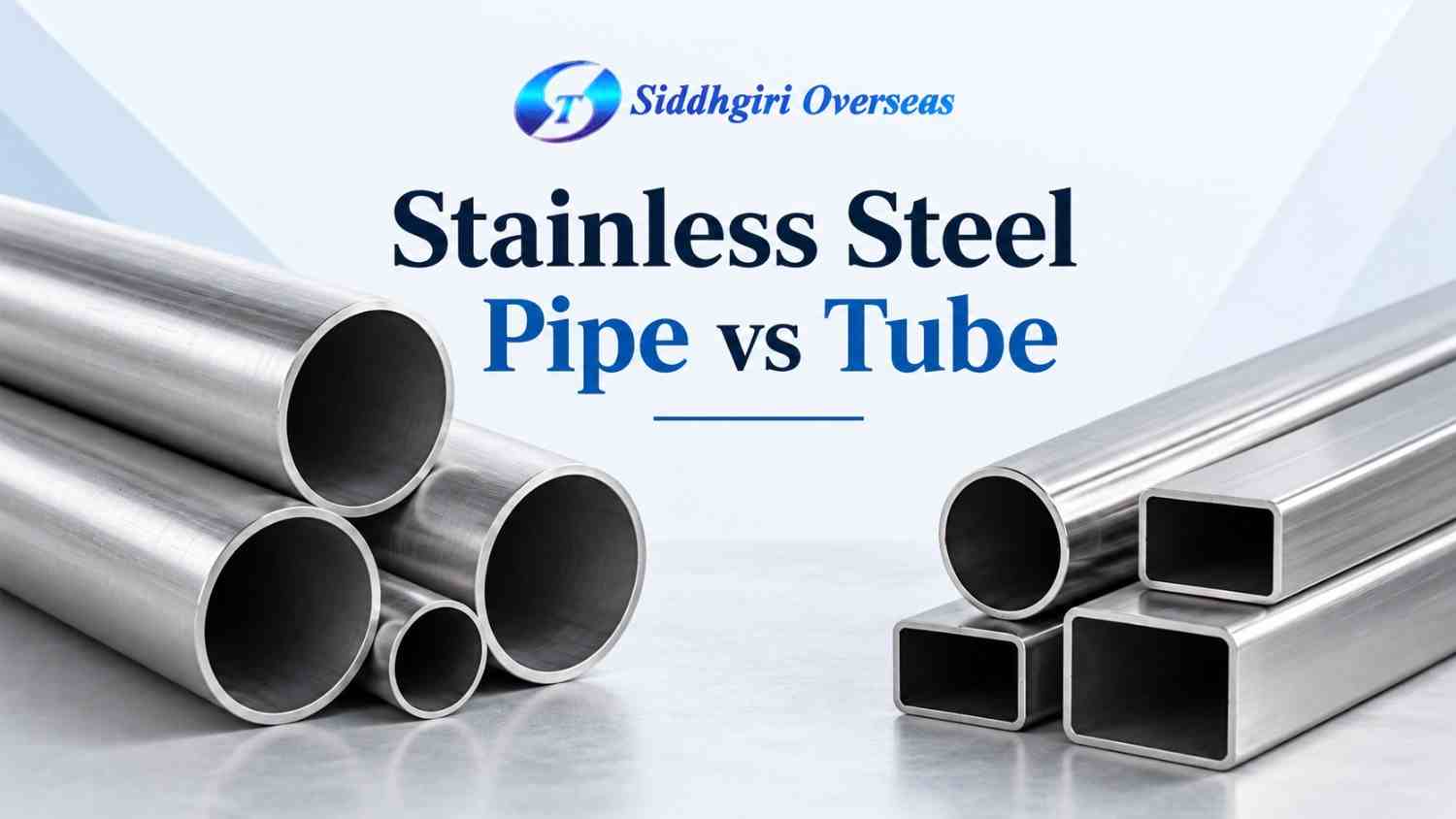
- By <p data-pm-slice="1 1 []">Stainless steel pipes and tubes are widely used across industries where strength, corrosion resistance, durability, and reliable performance are essential. Although the terms “pipe” and “tube” are often used interchangeably, they are not exactly the same.</p> <p>The difference between a <strong>stainless steel pipe and tube</strong> goes beyond their shape. They can differ in how they are measured, specified, manufactured, and selected for different applications.</p> <p>Choosing the wrong product can lead to incorrect dimensions, unsuitable wall thickness, unnecessary costs, or problems during installation. Understanding these differences can therefore help engineers, procurement teams, fabricators, and industrial buyers make a more informed choice.</p> <p>This guide explains <strong><a href="https://www.stainlesspipetube.com/stainless-steel-pipe.html">stainless steel pipe</a> vs tube</strong>, their key differences, common applications, and the factors you should consider before placing an order.</p> <h2>What Is a Stainless Steel Pipe?</h2> <p>A <strong>stainless steel pipe</strong> is primarily designed to transport liquids, gases, steam, chemicals, and other media from one point to another.</p> <p>Because pipes are frequently used for fluid transportation, factors such as pressure rating, nominal size, wall thickness, material grade, and corrosion resistance are important when selecting a pipe.</p> <p>Stainless steel pipes are commonly found in industries such as:</p> <ul data-spread="false"> <li> <p>Oil and gas</p> </li> <li> <p>Chemical processing</p> </li> <li> <p>Petrochemical</p> </li> <li> <p>Power generation</p> </li> <li> <p>Water treatment</p> </li> <li> <p>Food processing</p> </li> <li> <p>Marine applications</p> </li> <li> <p>Pharmaceutical processing</p> </li> <li> <p>Industrial piping systems</p> </li> </ul> <p>Depending on the application, buyers can choose from different <a href="https://www.stainlesspipetube.com/stainless-steel-pipe-grades.html"><strong>stainless steel pipe grades</strong></a>, dimensions, schedules, and manufacturing methods.</p> <h2>What Is a Stainless Steel Tube?</h2> <p>A <a href="https://www.stainlesspipetube.com/stainless-steel-tube.html"><strong>stainless steel tube</strong></a> is generally specified by its actual outside diameter (OD) and wall thickness. Tubes are commonly selected where dimensional accuracy, structural performance, surface finish, or precise fitting is particularly important.</p> <p>Stainless steel tubes can be round, square, rectangular, or produced in other specialized profiles depending on the application.</p> <p>Common applications include:</p> <ul data-spread="false"> <li> <p>Heat exchangers</p> </li> <li> <p>Condensers</p> </li> <li> <p>Instrumentation systems</p> </li> <li> <p>Automotive components</p> </li> <li> <p>Structural fabrication</p> </li> <li> <p>Aerospace applications</p> </li> <li> <p>Hydraulic systems</p> </li> <li> <p>Mechanical equipment</p> </li> <li> <p>Architectural structures</p> </li> </ul> <p>The required dimensions, tolerances, stainless steel grade, manufacturing process, and finish depend on the intended use.</p> <h2>Stainless Steel Pipe vs Tube: Key Differences</h2> <p>While both products can be manufactured from stainless steel, their specifications and intended applications can be quite different.</p> <table> <tbody> <tr> <th>Factor</th> <th>Stainless Steel Pipe</th> <th>Stainless Steel Tube</th> </tr> <tr> <td>Primary purpose</td> <td>Fluid and gas transportation</td> <td>Structural, mechanical and precision applications</td> </tr> <tr> <td>Common sizing</td> <td>Nominal Pipe Size (NPS)</td> <td>Actual outside diameter (OD)</td> </tr> <tr> <td>Wall specification</td> <td>Often identified by schedule</td> <td>Usually specified directly by wall thickness</td> </tr> <tr> <td>Shapes</td> <td>Primarily round</td> <td>Round, square, rectangular and other profiles</td> </tr> <tr> <td>Dimensional precision</td> <td>Depends on specification/application</td> <td>Often important for precision applications</td> </tr> <tr> <td>Common applications</td> <td>Process piping, water, oil, gas and chemicals</td> <td>Heat exchangers, instrumentation, structures and machinery</td> </tr> <tr> <td>Selection focus</td> <td>Flow, pressure, schedule and material</td> <td>OD, wall thickness, tolerance and application</td> </tr> </tbody> </table> <p>Understanding these differences makes it easier to identify the appropriate product before requesting a quotation.</p> <h2>How Are Stainless Steel Pipes Measured?</h2> <p>One of the most important differences between pipes and tubes is their sizing system.</p> <p>Stainless steel pipes are commonly specified using <strong>Nominal Pipe Size (NPS)</strong> and a schedule.</p> <p>The nominal size should not automatically be interpreted as the exact outside or inside diameter of the pipe. The applicable dimensional standard should be consulted when exact dimensions are required.</p> <h3>What Does Pipe Schedule Mean?</h3> <p>A pipe schedule helps define the wall thickness associated with a particular nominal pipe size.</p> <p>Common pipe schedules include:</p> <ul data-spread="false"> <li> <p>Schedule 10</p> </li> <li> <p>Schedule 40</p> </li> <li> <p>Schedule 80</p> </li> <li> <p>Schedule 160</p> </li> </ul> <p>The required schedule depends on factors such as the applicable standard, design pressure, temperature, service conditions, and engineering requirements.</p> <p>For industrial projects, buyers should therefore avoid selecting a pipe based only on its nominal diameter.</p> <h2>How Are Stainless Steel Tubes Measured?</h2> <p>Stainless steel tubes are typically specified using their <strong>outside diameter and wall thickness</strong>.</p> <p>For example, a tube specification may provide:</p> <p><strong>OD × Wall Thickness</strong></p> <p>This approach is particularly useful where precise dimensions are required for fabrication, assembly, heat-transfer equipment, instrumentation, or mechanical applications.</p> <p>Tube tolerances can also be important because even relatively small dimensional differences may affect fitting, fabrication, or system performance.</p> <h2>Stainless Steel Seamless vs Welded Pipes and Tubes</h2> <p>Both pipes and tubes can be available in <strong>seamless and welded</strong> forms.</p> <h3>Seamless Stainless Steel</h3> <p>Seamless products are manufactured without a longitudinal welded seam.</p> <p>They are used in a wide range of industrial applications, including demanding services where the applicable engineering specification calls for seamless construction.</p> <h3>Welded Stainless Steel</h3> <p>Welded products are formed from stainless steel strip, plate, or other suitable starting material and joined along a seam using an appropriate welding process.</p> <p>Modern welded stainless steel products are used extensively across industrial applications when manufactured and tested according to the required standards.</p> <p>The correct choice between <strong>seamless and welded stainless steel pipe</strong> should therefore be based on the project specification, pressure and temperature conditions, required dimensions, applicable standard, availability, and budget.</p> <h2>Stainless Steel Pipe and Tube Grades</h2> <p>Material grade is another major factor when selecting stainless steel pipes or tubes.</p> <h3>304 Stainless Steel</h3> <p>304 is one of the most commonly used austenitic stainless steel grades. It provides a useful combination of corrosion resistance, formability, fabrication characteristics, and mechanical properties for many general industrial applications.</p> <h3>316 Stainless Steel</h3> <p>316 stainless steel contains molybdenum, which improves resistance to certain forms of corrosion, particularly in chloride-containing environments compared with 304.</p> <p>This makes <strong>316 stainless steel pipes and tubes</strong> relevant to many marine, chemical, processing, and other corrosive-service applications.</p> <h3>Duplex and Super Duplex Stainless Steel</h3> <p>For more demanding applications, <strong>Duplex and Super Duplex stainless steel pipes and tubes</strong> may be considered.</p> <p>These materials combine high strength with strong corrosion resistance and are used in applications such as chemical processing, offshore systems, marine environments, and other demanding industrial services.</p> <p>Material selection should always consider the actual operating environment and the relevant engineering specification rather than choosing a grade solely based on general corrosion-resistance descriptions.</p> <h2>Where Are Stainless Steel Pipes Used?</h2> <p>Because pipes are well suited to transporting media, they are commonly used for:</p> <h3>Oil and Gas Systems</h3> <p>Stainless steel piping can be used in processing and transportation systems where the selected grade and specification meet the required operating conditions.</p> <h3>Chemical Processing</h3> <p>Chemical plants may require corrosion-resistant piping for handling different process fluids.</p> <h3>Water Treatment</h3> <p>Stainless steel pipes are used in various water-treatment and process-water applications where hygiene, durability, and corrosion resistance are important.</p> <h3>Food and Pharmaceutical Processing</h3> <p>Certain stainless steel grades and finishes are suitable for hygienic processing systems where cleanliness and corrosion resistance are critical.</p> <h3>Power and Energy</h3> <p>Stainless steel piping can also be found in power-generation and energy-related systems subject to the applicable design requirements.</p> <h2>Where Are Stainless Steel Tubes Used?</h2> <p>Tubes are particularly useful where controlled dimensions, specific shapes, or mechanical performance are required.</p> <h3>Heat Exchangers and Condensers</h3> <p>Stainless steel tubes are widely used in heat-transfer equipment because material selection, dimensions, surface condition, and corrosion resistance can be tailored to the operating environment.</p> <h3>Instrumentation</h3> <p>Precision tubing is used in instrumentation and control systems where dimensional consistency and reliable connections are important.</p> <h3>Automotive Applications</h3> <p>Stainless steel tubing can be used in exhaust, fluid-handling, structural, and other automotive components depending on design requirements.</p> <h3>Structural and Architectural Applications</h3> <p>Round, <strong>square stainless steel tubes</strong>, and <strong>rectangular stainless steel tubes</strong> can be used for structural fabrication, railings, frameworks, architectural features, and industrial structures.</p> <h2>Should You Choose Stainless Steel Pipe or Tube?</h2> <p>There is no single option that is better for every application.</p> <p>Choose a stainless steel pipe when the primary requirement involves transporting liquids, gases, steam, or process media and the system is designed around piping standards, nominal sizes, and schedules.</p> <p>A stainless steel tube may be more appropriate when the project requires specific outside dimensions, wall thicknesses, tighter dimensional control, structural shapes, or specialized mechanical applications.</p> <p>Before deciding, consider:</p> <ul data-spread="false"> <li> <p>Intended application</p> </li> <li> <p>Required stainless steel grade</p> </li> <li> <p>Outside diameter or nominal pipe size</p> </li> <li> <p>Wall thickness or schedule</p> </li> <li> <p>Operating pressure</p> </li> <li> <p>Operating temperature</p> </li> <li> <p>Corrosive environment</p> </li> <li> <p>Dimensional tolerance</p> </li> <li> <p>Surface finish</p> </li> <li> <p>Seamless or welded construction</p> </li> <li> <p>Applicable ASTM, ASME, EN, DIN, or other project standards</p> </li> <li> <p>Required quantity</p> </li> </ul> <p>These details help a manufacturer or supplier identify a suitable product for the application.</p> <h2>What Information Should You Provide When Requesting a Quote?</h2> <p>Providing complete technical information can significantly simplify the quotation process.</p> <p>When requesting <strong>stainless steel pipes and tubes</strong>, consider providing:</p> <p><strong>Product type:</strong> Pipe or tube<br /> <strong>Material grade:</strong> Such as 304/304L, 316/316L, Duplex or Super Duplex<br /> <strong>Size:</strong> NPS or OD, as applicable<br /> <strong>Wall:</strong> Schedule or wall thickness<br /> <strong>Manufacturing type:</strong> Seamless or welded<br /> <strong>Standard:</strong> ASTM, ASME, EN, DIN or project-specific specification<br /> <strong>Length:</strong> Required product length<br /> <strong>Finish:</strong> If applicable<br /> <strong>Quantity:</strong> Number of pieces, total length, or weight<br /> <strong>Application:</strong> Where useful for determining suitability<br /> <strong>Testing/documentation:</strong> Any project-specific certification or inspection requirements</p> <p>A detailed enquiry reduces ambiguity and helps ensure that the quotation matches the actual project requirement.</p> <h2>Source Stainless Steel Pipes and Tubes from SPT</h2> <p><strong>SPT</strong> supplies stainless steel pipes, tubes, and related industrial products for a wide range of applications.</p> <p>Our product range includes <strong>stainless steel pipes</strong>, <strong>stainless steel tubes</strong>, <strong>square and rectangular tubes</strong>, and products in specialized materials for demanding industrial requirements.</p> <p>Whether your project requires stainless steel for process piping, structural fabrication, heat exchangers, instrumentation, automotive components, marine applications, or other industrial uses, our team can help you identify products according to your required grade, size, standard, and specification.</p> <p>Contact <strong>SPT</strong> with your technical requirements to discuss availability and request a quotation.</p> <h2>Frequently Asked Questions</h2> <h3>Is stainless steel pipe the same as stainless steel tube?</h3> <p>No. Although the terms are sometimes used interchangeably, pipes and tubes are typically specified differently. Pipes are commonly associated with nominal sizing and schedules, while tubes are generally specified using actual outside diameter and wall thickness.</p> <h3>Is stainless steel tube stronger than pipe?</h3> <p>Not necessarily. Strength depends on factors such as material grade, dimensions, wall thickness, manufacturing process, heat treatment, and loading conditions. A product should be selected according to the engineering requirements of the application.</p> <h3>What is the difference between NPS and OD?</h3> <p>NPS stands for Nominal Pipe Size and is a standardized designation used for pipe sizing. OD means outside diameter and refers to the actual external diameter of a product.</p> <h3>Which stainless steel grade is better: 304 or 316?</h3> <p>Neither grade is universally better. 304 is suitable for many general applications, while 316 offers improved resistance in certain corrosive and chloride-containing environments. The appropriate grade depends on operating conditions and project specifications.</p> <h3>Can stainless steel tubes be square or rectangular?</h3> <p>Yes. Stainless steel tubes are available in round, square, rectangular, and other profiles depending on manufacturing capability and application requirements.</p> <h3>Are stainless steel pipes available in seamless and welded types?</h3> <p>Yes. Stainless steel pipes can be manufactured in seamless and welded forms. Selection should be based on the applicable standard, operating conditions, dimensions, project specifications, and commercial requirements.</p>
- 2026-09-25
Stainless steel pipes and tubes are widely used across industries where strength, corrosion resistance, durability, and reliable performance are essential. Although the terms “pi...
Read More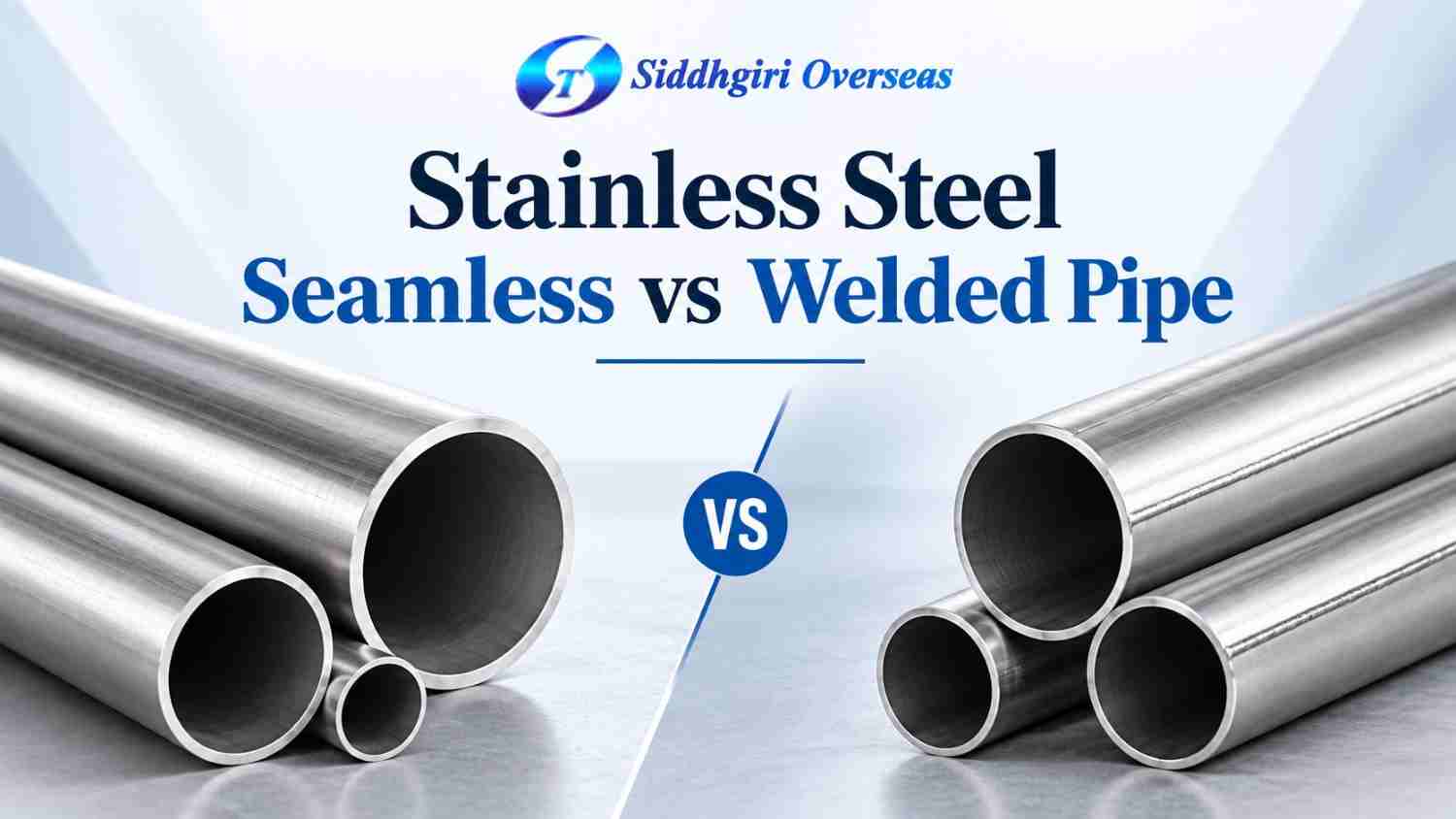
- By <p>When sourcing stainless steel pipes for an industrial project, one of the first decisions is whether to choose a seamless or welded stainless steel pipe.</p> <p>Both types are widely used across industries, but they are manufactured differently and can have different dimensional characteristics, availability, cost considerations, and suitability depending on the application.</p> <p>A seamless pipe is manufactured without a longitudinal welded seam, while a welded pipe is produced by forming stainless steel material into a tubular shape and welding the joint. However, the presence or absence of a weld alone does not determine which option is suitable for a project.</p> <p>Operating pressure, temperature, corrosion conditions, dimensions, material grade, applicable standards, inspection requirements, and budget should all be considered.</p> <p>In this guide, <strong>Siddhgiri Overseas</strong> explains the key differences between <strong>stainless steel seamless vs welded pipes</strong>, their applications, advantages, and factors to consider before requesting a quotation.</p> <h2>What Is a Seamless Stainless Steel Pipe?</h2> <p>A <strong>seamless stainless steel pipe</strong> is manufactured without a longitudinal welded joint.</p> <p>The manufacturing process generally begins with a solid billet that is heated and pierced to form a hollow section. The material is then processed to achieve the required dimensions and properties according to the applicable manufacturing specification.</p> <p>Because there is no longitudinal weld seam, seamless pipes are commonly specified for many demanding industrial applications.</p> <p>They are available in different stainless steel grades, sizes, wall thicknesses, schedules, and specifications.</p> <p>Common applications include:</p> <ul> <li>Oil and gas processing</li> <li>Chemical and petrochemical plants</li> <li>Power generation</li> <li>High-pressure systems</li> <li>Heat exchangers</li> <li>Boilers</li> <li>Process piping</li> <li>Marine applications</li> <li>Pharmaceutical processing</li> </ul> <p>However, seamless construction should not automatically be interpreted as being better for every application. The actual suitability depends on the relevant design code and project requirements.</p> <h2>What Is a Welded Stainless Steel Pipe?</h2> <p>A <a href="https://www.stainlesspipetube.com/stainless-steel-welded-pipe.html"><strong>welded stainless steel pipe</strong></a> is manufactured by forming stainless steel strip, sheet, or plate into a cylindrical shape and joining the edges with a longitudinal weld.</p> <p>Depending on the manufacturing specification and intended application, the welded area may undergo additional processing, inspection, testing, or heat treatment.</p> <p>Modern welding and inspection technologies allow welded stainless steel pipes to be used across a wide range of industrial applications.</p> <p>They are commonly used in:</p> <ul> <li>Water treatment systems</li> <li>Chemical processing</li> <li>Food and beverage processing</li> <li>Pharmaceutical systems</li> <li>Structural applications</li> <li>Large-diameter piping</li> <li>General process piping</li> <li>Pulp and paper facilities</li> <li>Marine applications</li> </ul> <p>Welded pipes can be particularly useful when larger diameters or specific dimensional requirements are needed.</p> <h2>Seamless vs Welded Stainless Steel Pipe: Quick Comparison</h2> <p>Here is a simple comparison:</p> <table> <thead> <tr> <th>Factor</th> <th>Seamless Stainless Steel Pipe</th> <th>Welded Stainless Steel Pipe</th> </tr> </thead> <tbody> <tr> <td>Construction</td> <td>No longitudinal welded seam</td> <td>Contains a welded seam</td> </tr> <tr> <td>Starting material</td> <td>Commonly solid billet</td> <td>Strip, sheet or plate</td> </tr> <tr> <td>Size availability</td> <td>Depends on manufacturing range</td> <td>Broad range, including large diameters</td> </tr> <tr> <td>Wall thickness</td> <td>Various schedules available</td> <td>Various wall thicknesses available</td> </tr> <tr> <td>Dimensional consistency</td> <td>Depends on manufacturing specification</td> <td>Can offer good dimensional consistency</td> </tr> <tr> <td>Pressure applications</td> <td>Frequently specified for demanding pressure service</td> <td>Suitable where permitted by design specification</td> </tr> <tr> <td>Cost</td> <td>Can be more expensive</td> <td>Often more economical in comparable specifications</td> </tr> <tr> <td>Large diameters</td> <td>May have manufacturing limitations</td> <td>Commonly available</td> </tr> <tr> <td>Applications</td> <td>Process, pressure and demanding services</td> <td>Process, structural and general industrial systems</td> </tr> </tbody> </table> <p>These are general differences. Actual performance depends on the <strong>stainless steel grade, manufacturing standard, dimensions, testing requirements, operating conditions, and quality of manufacturing</strong>.</p> <h2>How Are Seamless Stainless Steel Pipes Manufactured?</h2> <p>Understanding the manufacturing process helps explain why seamless pipes have different characteristics.</p> <p>A typical process begins with a solid stainless steel billet.</p> <h3>1. Billet Preparation</h3> <p>A suitable stainless steel billet is selected according to the required material grade and specification.</p> <h3>2. Heating</h3> <p>The billet is heated to a suitable temperature for further processing.</p> <h3>3. Piercing</h3> <p>The heated billet is pierced to create a hollow section.</p> <h3>4. Sizing and Reduction</h3> <p>The hollow section undergoes additional processing to achieve the required outside diameter and wall thickness.</p> <h3>5. Heat Treatment</h3> <p>Depending on the material and specification, heat treatment may be performed to obtain the required metallurgical and mechanical properties.</p> <h3>6. Finishing and Testing</h3> <p>The pipe may undergo straightening, cutting, surface treatment, dimensional inspection, and specified testing before final supply.</p> <p>The exact manufacturing sequence varies depending on the product, grade, dimensions, and governing standard.</p> <h2>How Are Welded Stainless Steel Pipes Manufactured?</h2> <p>Welded pipes follow a different manufacturing route.</p> <h3>1. Material Preparation</h3> <p>Stainless steel strip, sheet, or plate is selected according to the required grade and dimensions.</p> <h3>2. Forming</h3> <p>The material is formed into a cylindrical shape.</p> <h3>3. Welding</h3> <p>The edges are joined using an appropriate welding process.</p> <h3>4. Weld Processing</h3> <p>Depending on the specification, the weld area may undergo additional finishing or processing.</p> <h3>5. Heat Treatment</h3> <p>Heat treatment may be performed when required by the manufacturing standard or material specification.</p> <h3>6. Inspection and Testing</h3> <p>The finished pipe is inspected and tested according to the applicable specification and customer requirements.</p> <p>Proper manufacturing, welding, inspection, and testing are important for ensuring that the finished product meets its specified requirements.</p> <h2>Advantages of Seamless Stainless Steel Pipes</h2> <p>Seamless pipes offer several characteristics that make them appropriate for particular applications.</p> <h3>No Longitudinal Weld Seam</h3> <p>The defining characteristic of seamless pipe is that it does not contain a longitudinal welded joint.</p> <p>This can be an important requirement in projects where seamless construction is specifically required by the design specification.</p> <h3>Suitable for Demanding Applications</h3> <p>Seamless stainless steel pipes are commonly specified for demanding process, pressure, temperature, and corrosive-service applications when required by the relevant engineering design.</p> <h3>Availability in Multiple Stainless Steel Grades</h3> <p>Seamless pipes can be supplied in commonly used grades such as <strong>304/304L and 316/316L stainless steel</strong>, as well as various higher-alloy materials depending on availability and specification.</p> <h2>Advantages of Welded Stainless Steel Pipes</h2> <p>Welded pipes also offer important commercial and technical benefits.</p> <h3>Large Diameter Availability</h3> <p>Welded manufacturing can make it practical to produce larger-diameter stainless steel pipes.</p> <p>This can be particularly important for industrial piping projects requiring dimensions that may be difficult or uneconomical to manufacture through seamless processes.</p> <h3>Cost Considerations</h3> <p>For certain dimensions, quantities, and specifications, welded pipes may provide a more economical solution.</p> <p>Cost, however, should be compared using the complete technical specification rather than simply comparing seamless and welded construction.</p> <h3>Dimensional Control</h3> <p>The forming and welding process can provide consistent dimensions, although actual tolerances depend on the relevant product standard.</p> <h3>Broad Industrial Usage</h3> <p>Properly manufactured and tested welded stainless steel pipes are widely used in process industries, water systems, structural projects, food processing, pharmaceutical facilities, and other industrial applications.</p> <h2>Is Seamless Stainless Steel Pipe Stronger Than Welded Pipe?</h2> <p>This is one of the most common questions buyers ask, but there is no universal answer based only on whether a pipe is seamless or welded.</p> <p>Pipe performance depends on several factors, including:</p> <ul> <li>Material grade</li> <li>Outside diameter</li> <li>Wall thickness</li> <li>Manufacturing standard</li> <li>Heat treatment</li> <li>Mechanical properties</li> <li>Weld quality, where applicable</li> <li>Operating pressure</li> <li>Operating temperature</li> <li>Corrosion environment</li> <li>Applicable design code</li> </ul> <p>A properly manufactured welded pipe that meets the required specification may be suitable for many demanding applications.</p> <p>Similarly, seamless construction does not eliminate the need to verify material properties, dimensions, testing, and compliance.</p> <p>Therefore, buyers should select pipes according to <strong>engineering and project requirements rather than assuming that seamless automatically means stronger or better</strong>.</p> <h2>Seamless vs Welded Pipe for High-Pressure Applications</h2> <p>Seamless pipes are frequently specified for high-pressure applications because they do not contain a longitudinal welded seam.</p> <p>However, this should not be treated as a universal selection rule.</p> <p>The appropriate pipe should be determined according to the system's design pressure, temperature, dimensions, material properties, corrosion allowance, applicable design code, and project specification.</p> <p>For critical applications, the project engineer or relevant engineering specification should determine whether seamless or welded construction is required.</p> <h2>Which Stainless Steel Grades Are Available?</h2> <p>Both seamless and welded pipes can be manufactured from various stainless steel grades.</p> <h3>304/304L Stainless Steel</h3> <p><strong>304 and 304L stainless steel pipes</strong> are widely used for general industrial applications because of their combination of corrosion resistance, fabrication characteristics, and availability.</p> <h3>316/316L Stainless Steel</h3> <p><strong>316 and 316L stainless steel pipes</strong> contain molybdenum and provide improved resistance to certain forms of corrosion compared with 304, particularly in chloride-containing environments.</p> <p>They are commonly considered for chemical processing, marine, pharmaceutical, food-processing, and other corrosive environments.</p> <h3>Duplex Stainless Steel</h3> <p><strong>Duplex stainless steel pipes</strong> combine characteristics of austenitic and ferritic stainless steels and offer high strength along with good resistance to various forms of corrosion.</p> <p>They are used in industries such as chemical processing, oil and gas, marine, and offshore applications.</p> <h3>Super Duplex Stainless Steel</h3> <p><strong>Super Duplex stainless steel pipes</strong> are used for demanding applications requiring high strength and enhanced corrosion resistance, including environments involving chlorides and seawater.</p> <p>The appropriate grade should always be selected based on the actual operating conditions and project specification.</p> <h2>Seamless vs Welded Pipe for Different Industries</h2> <p>The choice can vary significantly depending on the industry and application.</p> <h3>Oil and Gas</h3> <p>Oil and gas systems may use seamless or welded pipes depending on pressure, temperature, fluid characteristics, dimensions, applicable codes, and project specifications.</p> <h3>Chemical and Petrochemical</h3> <p>Corrosion resistance is particularly important in chemical processing.</p> <p>The material grade can be just as important as whether the pipe is seamless or welded.</p> <h3>Marine and Offshore</h3> <p>Marine environments expose materials to chlorides and other corrosive conditions.</p> <p>Grades such as 316/316L, Duplex, and Super Duplex may be considered depending on the severity of the environment and engineering requirements.</p> <h3>Food and Pharmaceutical</h3> <p>Material composition, surface condition, cleanliness, fabrication quality, and applicable sanitary requirements are important considerations.</p> <h3>Power Generation</h3> <p>Power plants can require stainless steel piping for systems operating under different combinations of temperature, pressure, and corrosive conditions.</p> <p>The pipe must be selected according to the applicable system design.</p> <h2>Stainless Steel Pipe vs Tube: Don't Confuse the Two</h2> <p>Another common sourcing mistake is treating <strong>stainless steel pipes and tubes</strong> as exactly the same product.</p> <p>Although they may look similar, their sizing conventions and applications can differ.</p> <p>Pipes are generally specified using <strong>Nominal Pipe Size (NPS)</strong> and schedules, while tubes are commonly specified according to their actual outside diameter and wall thickness.</p> <p>If you're unsure about this distinction, read our guide on <strong><a href="https://www.stainlesspipetube.com/blog/stainless-steel-pipe-vs-tube-whats-the-difference-and-which-one-do-you-need.html">Stainless Steel Pipe vs Tube</a>: Key Differences Explained</strong> before placing your enquiry.</p> <h2>How to Choose Between Seamless and Welded Stainless Steel Pipe</h2> <p>Instead of asking which pipe is universally better, ask which product meets your project's technical requirements.</p> <p>Consider these factors before ordering:</p> <p><strong>Operating pressure:</strong> Determine the system's design and operating pressure.</p> <p><strong>Temperature:</strong> Consider normal and maximum operating temperatures.</p> <p><strong>Corrosion environment:</strong> Identify the fluids, chemicals, chlorides, moisture, or other corrosive substances the pipe may encounter.</p> <p><strong>Material grade:</strong> Select the appropriate stainless steel grade based on corrosion resistance, mechanical properties, and applicable specification.</p> <p><strong>Pipe size:</strong> Determine the required NPS and outside diameter.</p> <p><strong>Schedule or wall thickness:</strong> Select according to engineering requirements.</p> <p><strong>Manufacturing type:</strong> Determine whether seamless or welded construction is required.</p> <p><strong>Standard:</strong> Specify applicable ASTM, ASME, EN, DIN, or other standards.</p> <p><strong>Testing:</strong> Identify any hydrostatic, ultrasonic, eddy-current, PMI, or other testing requirements specified by the project.</p> <p><strong>Documentation:</strong> Specify requirements such as material test certificates or inspection documentation.</p> <p><strong>Quantity and length:</strong> Provide the required quantity and pipe lengths.</p> <p>Providing these details makes it easier for a supplier to quote the correct product.</p> <h2>What Information Should You Include in an RFQ?</h2> <p>For faster and more accurate quotations, an RFQ for stainless steel pipes should ideally contain:</p> <table> <thead> <tr> <th>Requirement</th> <th>Example</th> </tr> </thead> <tbody> <tr> <td>Product</td> <td>Stainless Steel Seamless Pipe</td> </tr> <tr> <td>Grade</td> <td>316L</td> </tr> <tr> <td>Size</td> <td>NPS as required</td> </tr> <tr> <td>Schedule</td> <td>SCH 40</td> </tr> <tr> <td>Manufacturing</td> <td>Seamless</td> </tr> <tr> <td>Standard</td> <td>Applicable ASTM/ASME specification</td> </tr> <tr> <td>Length</td> <td>Required length</td> </tr> <tr> <td>Quantity</td> <td>Required quantity</td> </tr> <tr> <td>Testing</td> <td>As per project requirement</td> </tr> <tr> <td>Certification</td> <td>As required</td> </tr> </tbody> </table> <p>For welded pipes, specify <strong>welded</strong> instead of seamless along with any applicable manufacturing, testing, or inspection requirements.</p> <h2>Source Seamless and Welded Stainless Steel Pipes from Siddhgiri Overseas</h2> <p><strong>Siddhgiri Overseas</strong> supplies <strong>stainless steel pipes and tubes</strong> for a wide range of industrial requirements.</p> <p>Our product portfolio includes stainless steel and specialty-alloy products for applications across industries such as chemical processing, oil and gas, marine, power generation, automotive, aerospace, and general engineering.</p> <p>Depending on your requirements, products can be supplied in different:</p> <ul> <li>Material grades</li> <li>Sizes</li> <li>Schedules and wall thicknesses</li> <li>Specifications</li> <li>Seamless and welded configurations</li> <li>Industrial standards</li> </ul> <p>Siddhgiri Overseas also deals in specialized materials including <strong>Duplex, Super Duplex, Monel, Inconel, Hastelloy, and other corrosion-resistant alloys</strong> for demanding industrial applications.</p> <p>Share your grade, size, schedule, standard, quantity, and application requirements with <strong>Siddhgiri Overseas</strong> to request a quotation for your project.</p> <h2>Frequently Asked Questions</h2> <h3>What is the main difference between seamless and welded stainless steel pipe?</h3> <p>A seamless stainless steel pipe does not contain a longitudinal welded seam. A welded stainless steel pipe is manufactured by forming stainless steel material and joining its edges through welding.</p> <h3>Which is better: seamless or welded stainless steel pipe?</h3> <p>Neither is universally better. The appropriate option depends on pressure, temperature, dimensions, material grade, applicable standards, application, availability, and project requirements.</p> <h3>Is seamless stainless steel pipe more expensive?</h3> <p>Seamless pipe can be more expensive for certain sizes and specifications because of its manufacturing process. Actual pricing depends on grade, dimensions, quantity, market conditions, testing, and other requirements.</p> <h3>Can welded stainless steel pipe be used for pressure applications?</h3> <p>Yes, welded stainless steel pipes can be used for pressure applications when permitted by the applicable specification and design code and when the pipe meets the required manufacturing, inspection, and testing requirements.</p> <h3>What grades are available for seamless and welded stainless steel pipes?</h3> <p>Common stainless steel grades include 304/304L and 316/316L. Duplex, Super Duplex, and other specialty alloys may also be available depending on the required specification.</p> <h3>What should I provide when requesting a stainless steel pipe quotation?</h3> <p>Provide the material grade, size, schedule or wall thickness, seamless or welded construction, applicable standard, length, quantity, testing requirements, certification requirements, and any relevant project specifications.</p>
- 2026-09-27
When sourcing stainless steel pipes for an industrial project, one of the first decisions is whether to choose a seamless or welded stainless steel pipe.
Read More
- By <p>Choosing the correct stainless steel pipe is about more than selecting the right material grade or diameter. Wall thickness plays an equally important role in determining whether a pipe is suitable for its intended application, operating pressure, and installation requirements.</p> <p>When purchasing stainless steel pipes, you will frequently encounter specifications such as Schedule 10S, Schedule 40S, and Schedule 80S. But what do these numbers mean, and how can you determine which schedule is appropriate for your project?</p> <p>A <strong>stainless steel pipe schedule</strong> is a standardized designation used to identify the nominal wall thickness of a pipe for a particular nominal pipe size. Generally, a higher schedule number represents a thicker wall for the same pipe size, although the actual dimensions must always be checked against the applicable standard.</p> <p>At <a href="https://www.stainlesspipetube.com/">Siddhgiri Overseas</a>, we manufacture and supply stainless steel pipes and tubes for industrial, engineering, fabrication, and construction applications. Understanding pipe schedules helps buyers select appropriate products and communicate their technical requirements more accurately.</p> <p>This guide explains the differences between Schedule 10S, 40S, and 80S stainless steel pipes, how pipe schedules affect wall thickness, and the factors engineers and procurement teams should consider before ordering.</p> <h2>What Is a Stainless Steel Pipe Schedule?</h2> <p>A stainless steel pipe schedule is a standardized designation that identifies the nominal wall thickness of a pipe for a specified Nominal Pipe Size (NPS).</p> <p>Pipe schedules are important because pipes with the same nominal size can have different wall thicknesses while maintaining the same outside diameter.</p> <p>For example, a 2-inch stainless steel pipe can be manufactured in Schedule 10S, Schedule 40S, or Schedule 80S. Each has the same nominal size and specified outside diameter, but the internal diameter changes because the wall thickness is different.</p> <p>Stainless steel piping dimensions are standardized under <a href="https://www.asme.org/codes-standards/find-codes-standards/b36-19m-stainless-steel-pipe/2018/pdf">ASME B36.19M, Stainless Steel Pipe</a>.</p> <p>This standard establishes dimensional requirements for welded and seamless wrought stainless steel pipes used across various industrial applications.</p> <p>Common stainless steel pipe schedule designations include:</p> <ul> <li><strong>Schedule 5S:</strong> A relatively thin-wall stainless steel pipe designation.</li> <li><strong>Schedule 10S:</strong> A lighter-wall option used where the design permits reduced wall thickness.</li> <li><strong>Schedule 40S:</strong> An intermediate wall-thickness designation used in many industrial piping specifications.</li> <li><strong>Schedule 80S:</strong> A heavier-wall designation used where additional wall thickness is required.</li> </ul> <p>The correct schedule depends on pipe size, material grade, operating conditions, applicable piping codes, and engineering calculations.</p> <h2>What Does the Letter S Mean in Pipe Schedule 10S, 40S, and 80S?</h2> <p>The letter "S" distinguishes stainless steel pipe schedule designations under ASME B36.19 from the corresponding schedule designations commonly associated with ASME B36.10.</p> <p>For example, Schedule 40S refers to a stainless steel pipe wall-thickness designation under the stainless steel dimensional standard.</p> <p>The suffix does not mean that every Schedule 40S pipe has a thinner wall than a Schedule 40 pipe.</p> <p>For many nominal pipe sizes, the dimensions are identical. However, certain larger sizes have different specified wall thicknesses.</p> <p>Therefore, engineers should not automatically treat Schedule 40 and Schedule 40S, or Schedule 80 and Schedule 80S, as interchangeable.</p> <p>The correct wall thickness should always be verified against the applicable ASME dimensional standard.</p> <h2>What Is the Difference Between Schedule 10S, 40S, and 80S Stainless Steel Pipes?</h2> <p>The main difference between <strong>Schedule 10S vs 40S vs 80S stainless steel pipes</strong> is their nominal wall thickness at a given pipe size.</p> <p>As the wall thickness increases, the pipe generally becomes heavier, its internal diameter becomes smaller, and its pressure-containing capability may increase when other design conditions remain the same.</p> <h3>Schedule 10S Stainless Steel Pipe</h3> <p>Schedule 10S is a relatively thin-wall stainless steel pipe designation.</p> <p>Its lower wall thickness can reduce material weight and may make it a cost-effective option where engineering requirements permit.</p> <p>Schedule 10S pipes may be considered for applications such as:</p> <ul> <li>Low-pressure fluid distribution.</li> <li>Certain water-handling systems.</li> <li>Process lines where the calculated wall thickness permits.</li> <li>Selected food and beverage processing installations.</li> <li>Industrial piping systems designed for lighter-wall construction.</li> </ul> <p>However, Schedule 10S should not automatically be selected for every low-pressure application. Corrosion allowance, mechanical loading, connection method, and applicable codes must also be considered.</p> <h3>Schedule 40S Stainless Steel Pipe</h3> <p>Schedule 40S provides a thicker wall than Schedule 10S for the same nominal pipe size.</p> <p>It is commonly considered when a piping system requires additional wall thickness for its design pressure, fabrication method, mechanical loading, or service conditions.</p> <p>Applications may include:</p> <ul> <li>Industrial fluid-handling systems.</li> <li>Chemical processing lines.</li> <li>General process piping.</li> <li>Plant utility systems.</li> <li>Engineering and manufacturing installations.</li> </ul> <p>For projects requiring seamless construction, explore the <a href="https://www.stainlesspipetube.com/stainless-steel-seamless-pipe.html">stainless steel seamless pipe</a> range available from Siddhgiri Overseas.</p> <h3>Schedule 80S Stainless Steel Pipe</h3> <p>Schedule 80S has a heavier nominal wall than Schedule 40S for the same nominal pipe size.</p> <p>This additional wall thickness may be required in systems involving higher design pressures, corrosion allowances, mechanical loads, or more demanding service conditions.</p> <p>Typical applications can include:</p> <ul> <li>High-pressure industrial process lines.</li> <li>Selected oil and gas piping systems.</li> <li>Chemical processing equipment.</li> <li>Industrial fluid-transfer systems.</li> <li>Applications requiring additional wall thickness under the approved piping design.</li> </ul> <p>However, a heavier schedule alone does not guarantee suitability for high pressure. Material strength, operating temperature, weld quality, applicable design code, and other factors must also be evaluated.</p> <h2>How Does Pipe Schedule Affect Stainless Steel Pipe Wall Thickness?</h2> <p>The <strong>stainless steel pipe wall thickness</strong> depends on both nominal pipe size and schedule designation.</p> <p>A pipe schedule number does not represent a fixed wall thickness across every pipe diameter.</p> <p>For example, under ASME B36.19, a nominal 2-inch stainless steel pipe has an outside diameter of approximately 60.3 mm.</p> <p>Its nominal wall thickness varies by schedule:</p> <ul> <li><strong>Schedule 10S:</strong> 2.77 mm.</li> <li><strong>Schedule 40S:</strong> 3.91 mm.</li> <li><strong>Schedule 80S:</strong> 5.54 mm.</li> </ul> <p>All three pipes have the same nominal outside diameter, but their inside diameters differ.</p> <p>As wall thickness increases, the available internal flow area decreases.</p> <p>This can influence fluid velocity and pressure loss for a given flow rate.</p> <p>To check wall thickness values for other sizes, refer to the <a href="https://www.stainlesspipetube.com/stainless-steel-pipe-size-chart.html">stainless steel pipe size and schedule chart</a> provided by Siddhgiri Overseas.</p> <h2>How Do You Calculate the Inside Diameter of a Stainless Steel Pipe?</h2> <p>The approximate inside diameter of a pipe can be calculated using its outside diameter and nominal wall thickness.</p> <p><strong>Inside Diameter = Outside Diameter - (2 × Wall Thickness)</strong></p> <p>For example, consider a 2-inch Schedule 40S stainless steel pipe.</p> <p>Outside Diameter = 60.3 mm</p> <p>Nominal Wall Thickness = 3.91 mm</p> <p>Inside Diameter = 60.3 - (2 × 3.91)</p> <p><strong>Approximate Inside Diameter = 52.48 mm</strong></p> <p>Now consider the same nominal pipe size in Schedule 80S.</p> <p>Outside Diameter = 60.3 mm</p> <p>Nominal Wall Thickness = 5.54 mm</p> <p>Inside Diameter = 60.3 - (2 × 5.54)</p> <p><strong>Approximate Inside Diameter = 49.22 mm</strong></p> <p>This example shows how a thicker pipe wall reduces the available internal diameter without changing the outside diameter.</p> <p>These calculations use nominal dimensions. Actual dimensions may vary within the permitted manufacturing tolerances.</p> <h2>Which Stainless Steel Pipe Schedule Is Best for High-Pressure Applications?</h2> <p>When selecting a <strong>pipe schedule for high-pressure applications</strong>, wall thickness is an important consideration, but it is not the only factor.</p> <p>For a given pipe size, material grade, and operating temperature, additional wall thickness can generally increase pressure-containing capability.</p> <p>However, actual allowable pressure depends on several variables:</p> <ul> <li>Pipe outside diameter.</li> <li>Minimum available wall thickness.</li> <li>Stainless steel material grade.</li> <li>Design temperature.</li> <li>Allowable material stress.</li> <li>Manufacturing and welding requirements.</li> <li>Corrosion or erosion allowance.</li> <li>Applicable piping design code.</li> </ul> <p>In many industrial installations, engineers consider <a href="https://www.stainlesspipetube.com/stainless-steel-seamless-pipe.html">seamless stainless steel pipes</a> when seamless construction is required by the project specification.</p> <p>However, properly manufactured and qualified welded stainless steel pipes can also be suitable for pressure applications when permitted by the relevant code.</p> <p>Pipe schedule selection should be based on documented engineering calculations rather than assuming that Schedule 80S is always necessary or that Schedule 10S is always unsuitable.</p> <h2>Does a Higher Pipe Schedule Mean Better Quality?</h2> <p>No. A higher pipe schedule indicates a different nominal wall thickness, not necessarily better manufacturing quality.</p> <p>For example, a Schedule 10S pipe manufactured to the correct material and dimensional specifications may be entirely suitable for its intended application.</p> <p>Similarly, a Schedule 80S pipe that does not meet material, dimensional, or inspection requirements may be unsuitable despite its thicker wall.</p> <p>Pipe quality depends on factors such as:</p> <ul> <li>Material composition and grade verification.</li> <li>Dimensional accuracy.</li> <li>Surface condition.</li> <li>Manufacturing quality.</li> <li>Testing and inspection results.</li> <li>Compliance with the applicable material standard.</li> <li>Traceability and supporting documentation.</li> </ul> <p>When comparing suppliers, evaluate the complete technical specification rather than relying on wall thickness alone.</p> <h2>How Does Pipe Schedule Affect the Weight and Cost of Stainless Steel Pipes?</h2> <p>Pipe schedule affects the amount of material used to manufacture a pipe.</p> <p>When comparing pipes with the same outside diameter, length, and material density, a thicker wall generally increases the pipe's weight.</p> <p>This means that a Schedule 80S pipe will typically weigh more than a Schedule 40S pipe of the same nominal size.</p> <p>The additional material may also increase the purchase price, handling requirements, and transportation weight.</p> <p>However, the final cost depends on several factors:</p> <ul> <li>Stainless steel grade.</li> <li>Pipe diameter and wall thickness.</li> <li>Manufacturing method.</li> <li>Order quantity.</li> <li>Surface finish and processing.</li> <li>Testing and certification requirements.</li> <li>Raw material prices and availability.</li> </ul> <p>Selecting an unnecessarily heavy pipe can increase project costs without delivering a meaningful engineering advantage.</p> <p>Likewise, choosing a thinner pipe simply to reduce cost can create problems if it does not satisfy the applicable design requirements.</p> <p>For dimensional reference, use the <a href="https://www.stainlesspipetube.com/stainless-steel-pipe-size-chart.html">SS pipe schedule chart</a> before finalizing your material requirements.</p> <h2>Should You Choose Seamless or Welded Stainless Steel Pipe?</h2> <p>In addition to selecting the appropriate schedule, buyers must consider whether the project requires seamless or welded pipe.</p> <p>Both manufacturing methods can be used to produce stainless steel piping, but they have different production processes and application considerations.</p> <h3>When Should You Choose Seamless Stainless Steel Pipe?</h3> <p>Seamless pipes are produced without a longitudinal welded seam.</p> <p>They are often specified for demanding process applications or where the applicable project requirements explicitly call for seamless construction.</p> <p>Selection factors may include pressure design, inspection requirements, operating conditions, and availability.</p> <p>Siddhgiri Overseas supplies <a href="https://www.stainlesspipetube.com/stainless-steel-seamless-pipe.html">stainless steel seamless pipes</a> in several grades and wall-thickness schedules, subject to the size and specifications required.</p> <h3>When Should You Choose Welded Stainless Steel Pipe?</h3> <p>Welded stainless steel pipes are produced by forming stainless steel material into a tubular shape and joining the edges through a welding process.</p> <p>They can be suitable for many industrial applications, including fluid handling and process piping, when manufactured and qualified to the required specifications.</p> <p>Welded construction may also provide manufacturing and cost advantages in certain sizes and applications.</p> <p>Explore the <a href="https://www.stainlesspipetube.com/stainless-steel-welded-pipe.html">stainless steel welded pipe</a> range to learn more about the available products.</p> <p>The final choice between seamless and welded construction should be based on engineering requirements, not solely on the selected schedule number.</p> <h2>How Do Stainless Steel Grades 304 and 316 Affect Pipe Selection?</h2> <p>Pipe schedule determines nominal wall thickness, while stainless steel grade influences properties such as corrosion resistance, mechanical behavior, and suitability for particular operating environments.</p> <p>Two commonly specified stainless steel grades are 304 and 316.</p> <h3>SS 304 Stainless Steel Pipe</h3> <p>Grade 304 is widely used in general industrial, engineering, fabrication, and selected food-processing applications.</p> <p>It offers corrosion resistance in many common environments and is frequently chosen where more specialized corrosion resistance is not required.</p> <p>Explore the <a href="https://www.stainlesspipetube.com/ss-304-pipe.html">SS 304 pipe</a> range for relevant product information.</p> <h3>SS 316 Stainless Steel Pipe</h3> <p>Grade 316 contains molybdenum, which generally improves resistance to chloride-related localized corrosion compared with Grade 304.</p> <p>It is often considered for chemical processing, marine-related equipment, coastal environments, and other applications involving more demanding corrosion conditions.</p> <p>Visit the <a href="https://www.stainlesspipetube.com/ss-316-pipe.html">SS 316 pipe</a> page to explore the material range.</p> <p>For welded piping systems, low-carbon variants such as 304L and 316L may also be considered based on fabrication methods and corrosion requirements.</p> <p>The correct grade and schedule must be selected together because increasing wall thickness does not automatically solve a material compatibility or corrosion problem.</p> <h2>How Do You Choose the Correct Pipe Schedule for Your Project?</h2> <p>Selecting the correct <strong>stainless steel pipe schedule</strong> requires a systematic evaluation of the pipe's intended operating conditions.</p> <h3>Step 1: Identify the Required Nominal Pipe Size</h3> <p>Start by confirming the nominal pipe size specified in the piping design.</p> <p>Remember that NPS is a standardized size designation and is not necessarily equal to the actual outside or inside diameter.</p> <h3>Step 2: Determine the Design Pressure and Temperature</h3> <p>Confirm the design conditions, including maximum pressure, temperature, and any relevant transient operating loads.</p> <p>These values are essential for determining the required minimum wall thickness under the applicable piping code.</p> <h3>Step 3: Select the Appropriate Stainless Steel Grade</h3> <p>Choose a material compatible with the fluid, operating environment, temperature, and corrosion conditions.</p> <p>Depending on the application, this may involve grades such as 304, 304L, 316, or 316L.</p> <h3>Step 4: Calculate the Required Wall Thickness</h3> <p>A qualified piping engineer should determine the minimum required thickness based on the relevant design code.</p> <p>This calculation may include pressure design requirements, manufacturing tolerances, corrosion allowance, and other design factors.</p> <h3>Step 5: Compare the Required Thickness With Available Schedules</h3> <p>Use the <a href="https://www.stainlesspipetube.com/stainless-steel-pipe-size-chart.html">stainless steel pipe size chart</a> to identify the schedule that provides the required nominal wall thickness.</p> <p>Confirm that the selected nominal thickness, after accounting for relevant tolerances and allowances, satisfies the design requirements.</p> <h3>Step 6: Confirm Manufacturing Method and Documentation</h3> <p>Determine whether seamless or welded construction is required.</p> <p>Also confirm the material standard, inspection requirements, and any Mill Test Certificate documentation needed for the project.</p> <h3>Step 7: Verify Availability Before Ordering</h3> <p>Not every combination of pipe size, stainless steel grade, schedule, and manufacturing method will necessarily be available from stock.</p> <p>Share your complete specification with the supplier to confirm manufacturing or supply availability.</p> <h2>What Common Mistakes Should Buyers Avoid When Ordering Stainless Steel Pipes?</h2> <p>Incorrect pipe specifications can lead to unnecessary costs, installation difficulties, delays, or unsuitable materials.</p> <p>Some common purchasing mistakes include:</p> <ul> <li><strong>Confusing nominal pipe size with outside diameter:</strong> Always verify actual dimensions.</li> <li><strong>Assuming schedule numbers represent fixed wall thicknesses:</strong> The dimensions change with nominal pipe size.</li> <li><strong>Using Schedule 40 and 40S interchangeably:</strong> Check the applicable dimensional standard, especially for larger sizes.</li> <li><strong>Ignoring operating temperature:</strong> Material allowable stresses can change significantly with temperature.</li> <li><strong>Selecting the wrong stainless steel grade:</strong> Wall thickness cannot compensate for every corrosion-related limitation.</li> <li><strong>Ignoring manufacturing tolerances:</strong> Design calculations must account for permitted thickness variation.</li> <li><strong>Ordering without material documentation:</strong> Confirm test certificates and required traceability before purchase.</li> </ul> <p>Addressing these issues during procurement can reduce specification errors and improve communication between engineers, purchasing teams, and suppliers.</p> <h2>Where Can You Buy Stainless Steel Pipes in Different Schedules?</h2> <p>When sourcing stainless steel pipes, choose a supplier that can help you confirm dimensions, material grades, manufacturing methods, and documentation requirements.</p> <p><a href="https://www.stainlesspipetube.com/">Siddhgiri Overseas</a> manufactures and supplies stainless steel pipes and tubes from Mumbai, India, serving industrial, engineering, fabrication, and infrastructure-related applications.</p> <p>The company's product range includes seamless and welded stainless steel pipes, along with multiple stainless steel grades.</p> <p>For seamless pipe requirements, the published range includes Schedule 40, Schedule 80, and Schedule 160 in specified nominal sizes. Availability of other schedules, grades, and sizes should be confirmed directly before ordering.</p> <p>When submitting an enquiry, provide:</p> <ul> <li>Required stainless steel grade.</li> <li>Nominal pipe size.</li> <li>Required schedule or wall thickness.</li> <li>Seamless or welded construction.</li> <li>Applicable ASTM or other material specification.</li> <li>Required quantity and length.</li> <li>Testing and documentation requirements.</li> <li>Delivery location and schedule.</li> </ul> <p>To discuss your project requirements, visit the <a href="https://www.stainlesspipetube.com/contact.html">Siddhgiri Overseas contact page</a> and submit your technical specifications for review.</p> <h2>Frequently Asked Questions About Stainless Steel Pipe Schedules</h2> <h3>What Is the Difference Between Schedule 10S and Schedule 40S?</h3> <p>Schedule 40S has a thicker nominal wall than Schedule 10S for the same nominal pipe size. This generally increases pipe weight and reduces internal diameter. The correct option depends on engineering requirements, pressure design, material grade, and the intended application.</p> <h3>Is Schedule 80S Stronger Than Schedule 40S?</h3> <p>For the same pipe size and material, Schedule 80S generally has a thicker wall and can provide greater pressure-containing capability when other design factors remain equal. However, schedule alone does not determine the allowable working pressure or overall material quality.</p> <h3>What Does Schedule 40S Mean in Stainless Steel Pipe?</h3> <p>Schedule 40S is a stainless steel pipe wall-thickness designation associated with ASME B36.19. The actual nominal thickness depends on the specified pipe size.</p> <h3>Is Schedule 40 the Same as Schedule 40S?</h3> <p>Not for every nominal pipe size. Their dimensions match for many sizes, but certain larger sizes differ under ASME B36.10 and ASME B36.19. Always verify the specified wall thickness before treating the two designations as equivalent.</p> <h3>Which Pipe Schedule Is Best for High Pressure?</h3> <p>There is no single schedule suitable for every high-pressure system. Schedule 80S or heavier-wall options may be required for certain applications, but the correct selection must follow engineering calculations and the applicable piping design code.</p> <h3>Does Pipe Schedule Affect Inside Diameter?</h3> <p>Yes. For pipes with the same nominal size and outside diameter, increasing the wall thickness reduces the inside diameter. This may affect flow area, fluid velocity, and pressure loss.</p> <h3>Can Schedule 10S Stainless Steel Pipe Be Used for Industrial Applications?</h3> <p>Yes, Schedule 10S may be suitable for certain industrial piping systems when the calculated wall thickness and other requirements meet the applicable design code. It should not be selected solely because it is lighter or less expensive.</p> <h3>What Is the Standard for Stainless Steel Pipe Schedules?</h3> <p>ASME B36.19 establishes standardized dimensions for welded and seamless wrought stainless steel pipes, including stainless steel schedule designations and their associated nominal wall thicknesses.</p> <h3>How Do I Check Stainless Steel Pipe Dimensions?</h3> <p>Identify the nominal pipe size and schedule, then verify the specified outside diameter and wall thickness using the applicable dimensional standard. You can also consult the <a href="https://www.stainlesspipetube.com/stainless-steel-pipe-size-chart.html">stainless steel pipe schedule chart</a> for dimensional reference.</p> <h2>Final Thoughts</h2> <p>Choosing the correct <strong>stainless steel pipe schedule</strong> is an important step in ensuring a piping system meets its technical and operational requirements.</p> <p>Schedule 10S, 40S, and 80S differ primarily in nominal wall thickness, but the correct selection also depends on pipe size, stainless steel grade, pressure, temperature, corrosion conditions, manufacturing method, and applicable design standards.</p> <p>Rather than choosing a heavier schedule automatically, engineers and procurement teams should determine the required wall thickness and verify the available standardized dimensions.</p> <p>Whether your project requires <a href="https://www.stainlesspipetube.com/stainless-steel-seamless-pipe.html">seamless stainless steel pipes</a> or <a href="https://www.stainlesspipetube.com/stainless-steel-welded-pipe.html">welded stainless steel pipes</a>, selecting the appropriate dimensions and material specifications helps support reliable project execution.</p> <p>For technical specifications, product availability, and quotation requests, <a href="https://www.stainlesspipetube.com/contact.html">contact Siddhgiri Overseas</a> and share your stainless steel piping requirements.</p>
- 2026-09-22
Choosing the correct stainless steel pipe is about more than selecting the right material grade or diameter. Wall thickness plays an equally important role in determining whether a...
Read MoreClients
Our Partners