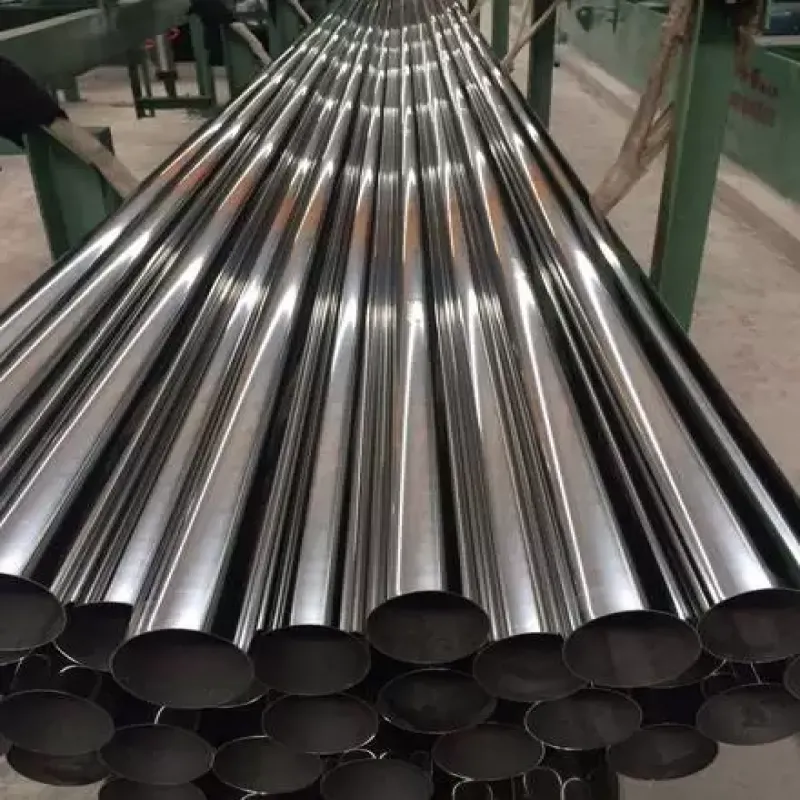
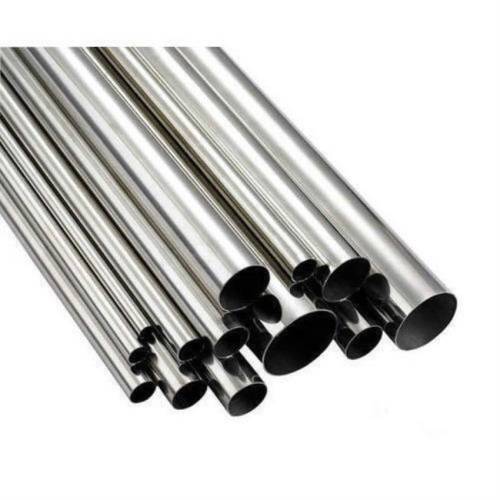
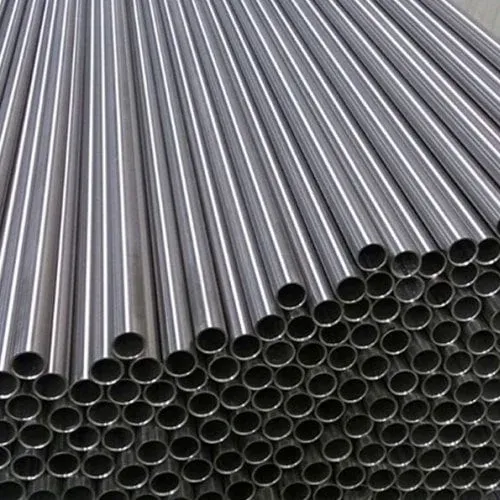
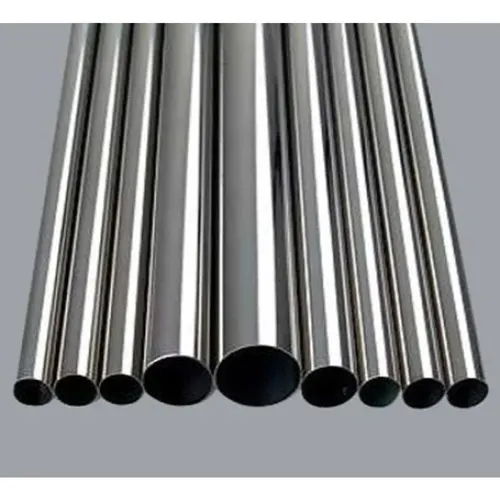
Top Production Infrastructure
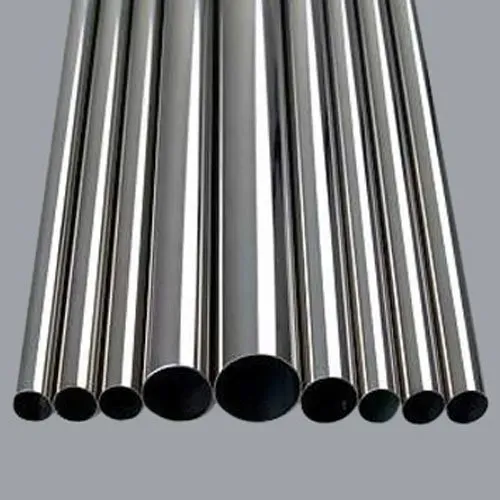
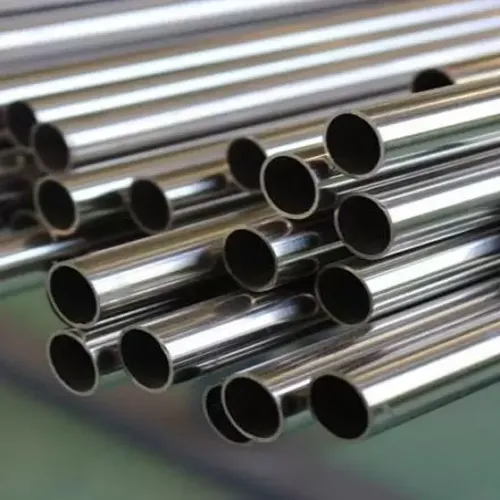
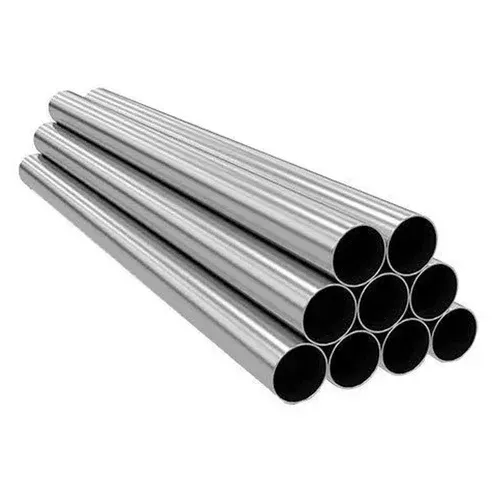
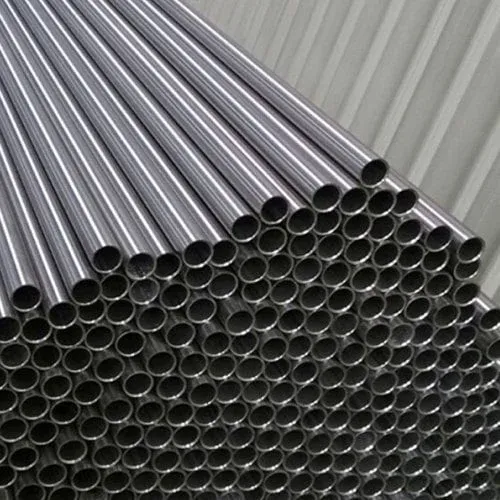
Sidhgiri Overseas is one of the world's market leaders, producing fully traceable SS304 industrial, decorative, and automotive performance-grade pipes manufactured to meet all mill standards.
Sidhgiri Overseas offers an extremely high-quality controlled network and provides very customized configurations, which can be engineered to be successful under the most demanding industrial and thermal environments.
A Clear Explanation of Stainless Steel 304 Pipes
What Is a Stainless Steel 304 Pipe?
Among the various stainless steel pipes, the stainless steel 304 pipe is the most popular and trusted stainless steel pipe in the world. These pipes are known as austenitic steels and are generally called “18/8” stainless steel due to the specific ratio of chromium to nickel of about 18:8. They're a special metallurgical composition that's exceptionally formable, easy to weld, and very versatile. They are engineered to withstand broad temperature extremes and have exceptional mechanical strength and performance at a lower price; they are a world standard in high-pressure fluid containment in industry and for high-specification structural fabrications.
The difference between stainless steel and other steels is that a certain chemical composition is required, which is at least 10.5% of chromium. This chromium naturally forms a surface layer of chromium oxide, which is not porous but extremely thin.
Corrosive Shield: This protection prevents moisture and corrosive agents from oxidizing the underlying iron matrix.
Fabricated and protected by a continuous self-healing boundary, the protective film will regenerate automatically if the pipe is cut, scratched, or heavily rubbed, ensuring structural protection and the characteristic clean metallic finish.
A Brief Overview of the Different Structural and Functional Benefits
Stainless steel is the most widely used and most popular metal in the world with a history of more than 100 years since its invention. In its composition it contains chromium, which gives it resistance to corrosion. The resistance can be expressed in terms of either reduction of acids or anti-pitting resistance in chloride solutions. It can be used as stainless steel 304 pipe material, and it is minimum maintenance, familiar, and good.
Stainless steel 304 pipe comes in different product types, such as seamless drawn blocks and the longitudinally welded one. The selection of the right piping structure is dependent on the particular alloy chemistry, manufacturing specifications, surface finish, and structural loading needs of the environment.
The 304 Profile Has Various Benefits Depending on the Profile
This profile of a balanced chromium-nickel alloy has special physical properties compared to other chromium-nickel alloys or common carbon steels. The major advantages of stainless steel pipes are due to their geometric and metallurgical characteristics, although the exact nature of these varies from different manufacturers.
Exceptional Mechanical Formability: These pipes have an austenitic grain structure that results in superior ductility and the ability to be bent, swaged, and shaped into intricate pipe configurations without cracking.
Superior Thermal Capabilities: Pipes have high resistance to oxidation and can handle intermittent thermal exposure of 870°C and continuous service of 925°C.
High Yield and Tensile Strength: They can withstand high tensile and internal pressure characteristics and have a minimum yield strength of 205 MPa and a minimum tensile strength of 515 MPa.
Stainless Steel 304 Pipe Types — Based on Surface Finishes & Grades
The chemical composition and surface profile of steel overall have a great influence on end products' mechanical properties and application areas. The 304 pipes are used extensively in heavy construction and high-end designing; the selection of the surface finish and alloy grade of the 304 pipe determines the pipe's final application in the field:
No. 1 / Mill Finish (Unpolished): A raw surface in dull gray color that has been made by hot rolling. Only for use in hidden structural frameworks, sub-flooring, and heavy industrial plant support skeletons.
2B Finish: A smooth, non-polished, cold-rolled finish to provide a simple level of brightness and as a basic starting point for standard structural and manufacturing applications.
Satin / Brushed Finish (#4 / Grit 240/320): has smooth lines in one direction (matte). It is ideal for architectural installations, storefronts, and luggage racks and conceals fingerprints and scuffs exactly.
Mirror Polished (#8 / Grit 600+): A highly reflective and shiny chrome finish for sanitary systems, food-processing equipment, luxury hotel facades, and architectural highlights.
Alloy Grade Optimization – Highly reliable for fabrication of indoor and outdoor environments, standard grade SS 304; for people who want to retain the corrosion resistance at welded edges, low carbon grade SS 304L (carbon limited to 0.03% max); and budget friendly SS 202/201 or Ferritic grades – strictly for dry, interior retail store fittings or simple indoor consumer components.
International Standard Grades Matrix
| DIN Grades | EN Grades | ASTM / ASME Standards | Targeted Scope |
|---|
| 1.4301 | X5CrNi18-10 | ASTM A312 Grade MT304 | Standard grade for general purpose and high corrosion setups |
| 1.4306 | X2CrNi19-11 | ASTM A312 Grade MT304L | Low-carbon optimization to prevent post-weld corrosion |
| 1.4401 | X5CrNiMo17-12-2 | ASTM A312 Grade MT316 | Molybdenum grade required for high-chloride or marine tasks |
| 1.4404 | X2CrNiMo17-13-2 | ASTM A312 Grade MT316L | Low-carbon marine variant preventing structural weld decay |
| 1.2010 / 1.2020 | X12CrMnNiN17-7-5 | ASTM A554 Grade MT201/202 | Budget alternative strictly for dry decorative or indoor use |
Different Types Based on Size Configurations & Manufacturing Process
The adage of the close relationship of industry and standards is not new. Depending on different organization standards for a variety of application ranges, the manufacturing and testing results may be different. They are made of 304 pipes that have been nominated by their NB or outer diameter (OD) size, and they have tight OD and wall thickness schedules that span the standard cold-drawn or welded fabrication tracks.
Common Size Classifications
Small Profiles (1/8" to 1" NB / 15.88 mm to 33.7 mm OD): Commonly used with thin walls (Schedule 5S/10S) in office furniture, light architectural features, clothing racks, and window grilles.
Medium Framework (1.25" to 4" NB / 42.4 mm to 114.3 mm OD): Used in combination with Schedule 40S walls in commercial handrails, staircase stringers, security enclosures, and vehicle trailer frames.
Heavy Structural & Transmission (6" up to 48" NB / 168.3 mm to 1219 mm OD): Made with heavy walls (Schedule 80S up to Schedule 160) for heavy load-bearing structural columns, high-volume industrial processing fluid lines, and chemical processing facilities.
Categorized Application Areas
Food, Beverage & Sanitized Piping Lines: These are used extensively in breweries, dairies, industrial food manufacturing, and pure fluid transfer systems that demand the highest level of hygienic maintenance.
Chemical Handling & Fluid Transmission: Moving mild acids, alkalines, cooling water, and general chemical processing fluids without degrading the underlying metal structure.
Cryogenics & Sub-Zero Systems: Maintains excellent mechanical integrity, impact strength, and structural ductility in extremely cold conditions.
Architectural & Decorative Frameworks: Generously used for decorative and structural framing, handrails, luxury storefronts, and automotive exhaust systems.
Technical Specifications of Stainless Steel 304 Pipes
Unlike basic ornamental tubing, industrial stainless steel 304 pipes adhere to precise nominal bore criteria, precise wall schedules, and strict thermodynamic limits to confirm the layout's ultimate operational capacity.
Pipe Sizing (OD / NB): 1/8 inch up to 48 inches Nominal Bore (15.88 mm, 21.3 mm, 26.9 mm, 33.7 mm, 42.4 mm, 48.3 mm, 60.3 mm, etc.). Standardizes pipe profiles across light architectural components up to massive industrial distribution lines.
Wall Thickness / Schedule: Schedule 5S, 10S, 20S, 40S, 80S, up to Schedule 160 variants. Manages wall mass to handle high internal fluid pressure lines and structural downward load requirements.
Material Grade: SS 304, SS 304L (low-carbon option), and alternative baseline grades (202, 316, 409, 410). Balances classic 18/8 composition to ensure general-purpose protection, heat tolerance, and structural rigidity.
Pipe & Form Type: Seamless Drawn Billet, Welded Seam / ERW Pipe. Matches seamless variants to extreme high-pressure lines, or economical welded variants to structural grids.
Surface Finish: No. 1 Mill Finish, 2B Smooth, Satin/Brushed (#4), Mirror Polished (#8). Serves aesthetic demands with brushed/mirror finishes and unpolished gray surfaces for hidden industrial skeletons.
Standard Length: 3 m, 4 m, 5.8 m, 6 m, random lengths, and custom-cut configurations. Pre-cut and continuous mill configurations matching spatial layout parameters, architectural design boundaries, and shipping containers.
Mechanical Performance: Min. Yield Strength: 205 MPa | Min. Tensile Strength: 515 MPa. Verified metallurgy ensuring deep pressure compliance and extreme resistance against bending or directional failure.
Stainless Steel Suppliers & Logistics Metrics
For procurement in the case of structural piping or chemical distribution lines, it is important to have a clear differentiation of suppliers as a function of the price levels, operation certificates, and physical proximity to commercial areas in Jordan.
Tiered Cost Structures: Piping configurations are scaled according to the total nickel concentration, wall thickness, and special finishes, as per the following ranges: Below ₹200, ₹201 - ₹250, ₹251 - ₹400, and Heavy Industrial / Performance options Above ₹401 per kg.
Limited Partnerships: Only high-performing corporate entities with an annual turnover of ₹5 Cr or more and with continuous GST registration for 3+ years for material traceability can be eligible for limited partnerships in the corporate compliance filters.
Project managers can leverage localized logistics networks, which are specialized regional supplier networks with their base in Gurugram, to access agile delivery options, minimizing the transport delay for projects within the city and neighboring commercial centers in the Delhi NCR region.
Top Stainless Steel 304 Pipe Exporters in Jordan
Cross-border industrial logistics require dedicated export routes for the supply of the industry, energy production, automotive manufacturing, and chemical industry sectors internationally.
Sidhgiri Overseas Global Distribution: Sidhgiri Overseas is an excellent exporter successfully utilizing the world's logistics system for the supply of high-quality and high-performance welded and seamless 304 stainless steel piping to processing plants and structural distribution centers around the world. Every lot adheres to the global international EN, DIN, ASME, and ASTM standards in strict compliance and provides superior structural insurance globally. We are the best Stainless Steel 304 Pipe Exporters in Jordan.
SS 304 in numbers, and where the limit actually is
Composition runs 18–20% chromium and 8–10.5% nickel with carbon
capped at 0.08%. There is no molybdenum, and that single absence is what
decides most specification arguments: with a PREN around 19, 304 has no
meaningful defence against chloride pitting.
Annealed minima under ASTM A312 are 515 MPa (75 ksi) tensile,
205 MPa (30 ksi) yield and 35% elongation, with hardness to
HRB 92 or HBW 192.
The failure mode to plan around is sensitisation. Held between 425 °C
and 815 °C, chromium carbides precipitate at the grain boundaries and
strip the adjacent metal of the chromium that was protecting it. On a welded
joint that happens in the heat affected zone while you watch, which is why
304L exists. If the part is welded and then sees a corrosive duty, specify
304L and stop thinking about it.
Where 304 is right: dry interior work, potable water away from chlorination,
food contact without salt or acid, structural and architectural work inland.
It costs materially less than 316 and on those duties the molybdenum buys
nothing.
304 against the alternatives, in one pass
Buyers reach for 304 by default and for 316 by reflex. The useful question
is what the line actually carries.
Against 304L. Identical but for carbon, 0.08% against
0.030%. If the pipe will be welded and then sit in anything corrosive, 304L.
If it will not be welded, 304 gives 515 MPa tensile and 205 MPa yield
against 485 and 170, which can save a wall thickness.
Against 316. One question: chlorides. Seawater, brine,
chlorinated water, coastal air, many process chemicals. If any of those are
present, 316. If not, the molybdenum is cost without benefit.
Against 202. 202 substitutes manganese and nitrogen for
part of the nickel, which lowers the price and the corrosion resistance
together. It belongs in dry interior work where cost governs, and nowhere that
sees weather.
Against 321 and 347H. Temperature. Above roughly
425 °C in sustained service 304 sensitises and loses creep strength;
the stabilised grades hold.
A practical note on finish. 304 architectural work installed outdoors
anywhere near the coast will show rust-coloured tea-staining within a season or
two. It is cosmetic rather than structural, and clients treat it as a failure
anyway.
Buying 304 pipe without paying for the wrong thing
304 is the most commonly specified stainless grade and therefore the most
commonly mis-bought. Four checks are worth making on any offer, including ours.
Is the certificate the producing mill's? A retyped trader
document cannot be reconciled against the marking on the pipe, and that is
exactly what a positive material identification check on site is trying to do.
Is the quoted wall nominal or minimum? ASTM A312
permits 12.5% under the nominal wall. A price compared against a competitor
quoting minimum wall is not a like-for-like comparison.
Is it 304 or 304/304L dual? Dual-certified material meets
the 304L carbon ceiling and the 304 mechanical minima, which is usually worth
having at no real premium.
Has anyone asked about chlorides? A supplier who quotes 304
for a coastal or chlorinated duty without asking is quoting on price alone.
Supplied in seamless, welded and ERW construction, in the nominal sizes and
schedules listed above, with mill test certificates recording heat number,
chemical analysis and mechanical results for the batch.
Passivation after fabrication, and why 304 rusts when it should not
A recurring complaint on 304 installations is rust spotting on brand new
pipework, usually within weeks, and usually blamed on the material. It is
almost never the material.
Free iron embedded in the surface is the cause. It arrives from carbon steel
tooling, grinding wheels previously used on mild steel, wire brushes, chains
and slings, or simply from the pipe being dragged across a steel deck. Those
particles rust, and the rust sits on a surface that is itself perfectly sound.
Two habits prevent it. Keep stainless tooling, consumables and lifting gear
separate from carbon steel, including the grinding discs. And passivate after
fabrication, with nitric or citric acid, which dissolves the free iron and lets
the chromium oxide film re-form evenly across the surface.
Pickling is a different operation again: it removes weld scale and the
chromium-depleted layer beneath it, and it leaves a dull matte finish.
Specifying pickling does not give you passivation and specifying passivation
does not remove scale. On a welded 304 installation that will be looked at,
you generally want both, in that order.