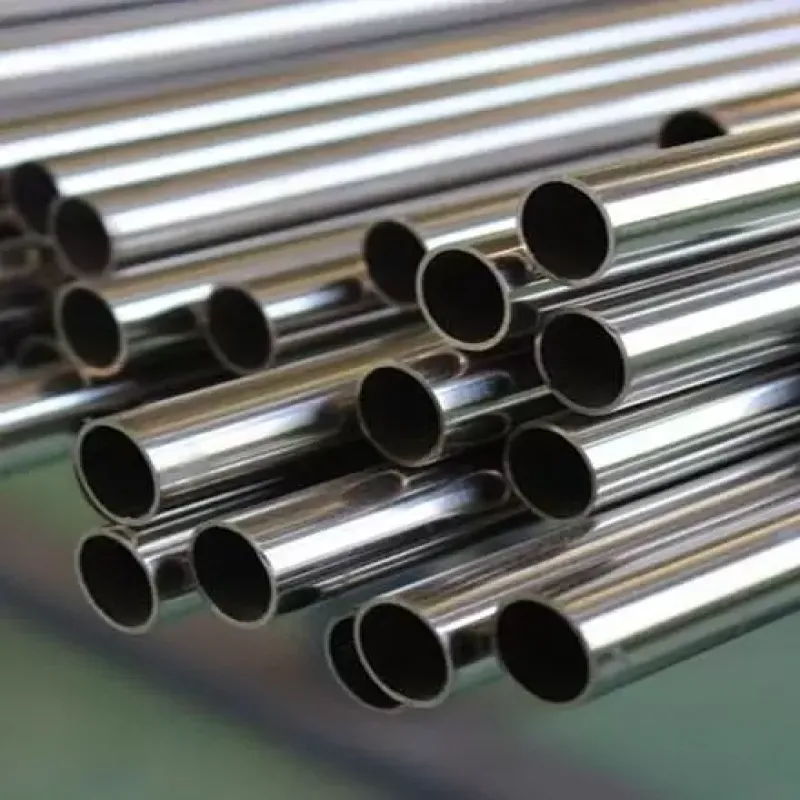
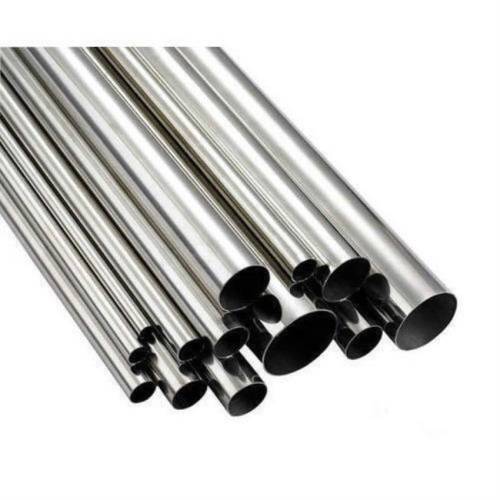
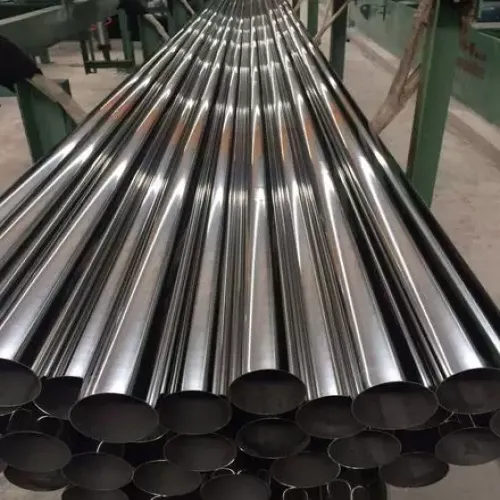
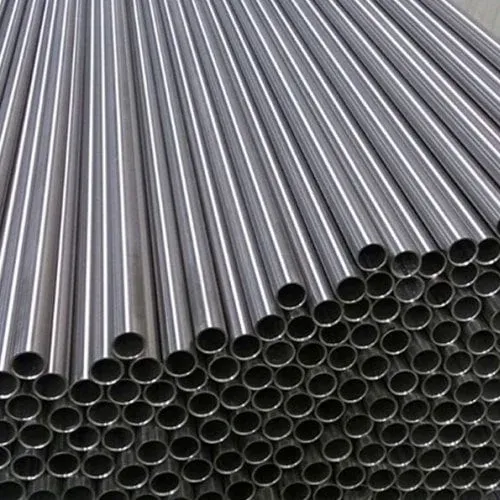
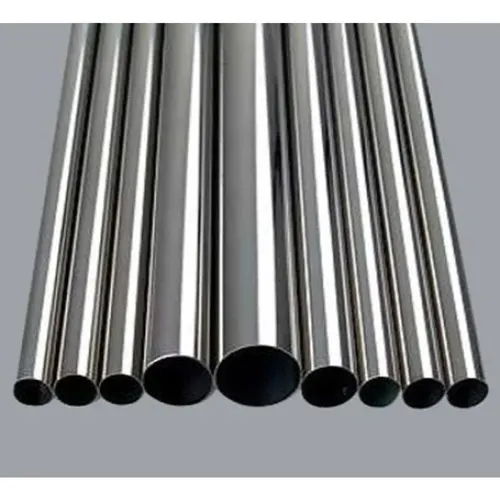
Top Production Infrastructure
Sidhgiri Overseas is a leading supplier of fully traceable, mill-certified, industrial-grade, heat-resistant, and performance aerospace stainless steel (SS) 321 piping throughout the world.
Sidhgiri Overseas' quality-controlled distribution networks provide a very customized product with highly demanding chemical, exhaust, and high-temperature properties.
Understanding Stainless Steel 321 Pipes
What is a 321 Pipe?
Stainless steel 321 pipes are austenitic stainless steel pipes that have titanium as the stabilizing metal and have been specially designed for use for a long time in extreme conditions and at high temperatures. Normal low-carbon series, like 304L, 316L, etc., control intergranular corrosion through reduction of carbon content, and SS 321 prevents intergranular corrosion by careful addition of Ti. It is the only chemical stabilization for pipelines that can be used in the critical carbide precipitation temperature range of 427°C to 816°C (800°F to 1500°F) worldwide. The SS 321 pipes are specifically designed for such an application as thermal absolute defense.
The special chemicals used in the production of stainless steel are the ones that contain at least 10.5% chromium.
Oxidation Shield: A thin layer of impervious chromium oxide naturally formed on the surface of the metal when it comes in contact with air. This barrier is hindering the moisture and corrosive materials from oxidizing the iron matrix beneath.
Self-Healing Capabilities: When the 321 pipe is cut, scraped, or mechanically "frictioned" during fabrication in the presence of oxygen, the protective film reforms, continuously protecting the structure and giving a clean, metallic finish.
Structural and Functional Benefits: The Titanium Advantage
Now more than 100 years old, stainless steel has gained popularity and is now the most widely used and popular material in the world. This is because it has chromium, which gives it the corrosion resistance. Resistance can be exhibited to acid reduction as well as to pitting in chloride solution. It requires hardly any maintenance and has a familiar shine, which makes it an excellent and fine material for stainless steel 321 pipes.
Stainless steel 321 pipe comes in a wide range of product types, such as seamless drawn channels and longitudinally welded ones. The choice of the most suitable piping structure depends on the alloy chemistry, manufacturing requirements, surface treatment, structural load requirement, etc. of the operating environment.
Shooting the bullet at the heat using SS 321.
When the temperature of ordinary stainless steels is maintained for a long time between 427°C and 816°C, carbon forms an alloy with the chromium at the grain boundaries, giving rise to what is known as weld decay.
In the case of the SS 321, titanium is also added for preferred carbon binding because of the high chemical affinity of titanium to carbon compared to chromium. It will selectively react with the carbon and not affect the chromium area, leaving the pipe with its protective, rust-resisting coating.
This means it has a number of structural advantages:
Stronger Base Strength (SS 321): SS 321 has the same base strength as that of carbon, which is not lowered, as in the "L" grades. This leads to higher creep strength, stress rupture resistance, and very good resistance to progressive extension under continuous mechanical stress at high temperatures.
Immunity to Intergranular Corrosion: Where the alloy can withstand continuous service in the critical range between 427°C and 816°C without the onset of intergranular corrosion (embrittlement or localized failure of boundaries).
Good Creep Resistance: Does not deform or gradually stretch under a steady load of mechanical stress at high temperatures.
Stainless Steel 321 Pipe Types – Based on Surface Finishes & Grades
The chemical composition and surface profile of steel overall have a great influence on end products' mechanical properties and application areas. The selection of the surface finish and alloy grade is because 321 pipes are heavily used in high-utility industrial applications but not in architectural design.
No.1 / Mill Finish (Hot-Rolled): Raw surface that has been unpolished and smoothened out to give a dull and grey appearance. The universal standard for aerospace exhaust elements, aircraft manifolds, catalytic cracking units, and industrial reactor assemblies, where they are hidden.
2B Finish (Cold-Rolled): A smooth, unpolished finish with a uniform metallic luster excellent for boiler tubes, superheater elements, and high-temperature refinery loops.
Satin / Brushed Finish (#4 / Grit 240/320): Has smooth, unidirectional matte lines. For 321, it's less common because it's a high-heat industrial product, but where external visibility to the product demands a uniform, clean look, it may be used.
Industrial Finish Constraints: SS 321 has internal streak lines and hard titanium carbide, which makes it hard to polish to a bright, flawless mirror finish. It is a steel that is specifically used for industrial purposes for high utility, not for architectural decoration.
Alloy Grade Optimization: Standard SS 321 for highest thermal stability; standard SS 316 or 316L for high saline marine and room temperature chloride use, where molybdenum is necessary to prevent pitting; and baseline SS 304 for general-purpose, low-temperature fluid transfer use.
International Standard Grades Matrix
| DIN Grades | EN Grades | ASTM / ASME Standards | Targeted Scope |
|---|
| 1.4541 | X6CrNiTi18-10 | ASTM A312 Grade MT321 | Titanium stabilized; premium high-temperature Titanium-stabilized, |
| 1.4404 | X2CrNiMo17-13-2 | ASTM A312 Grade MT316L | Low-carbon marine optimization; premium pitting defense |
| 1.4401 | X5CrNiMo17-12-2 | ASTM A312 Grade MT316 | Standard molybdenum grade for high-chloride, non-heat settings |
| 1.4301 | X5CrNi18-10 | ASTM A312 Grade MT304 | General-purpose grade for low-temperature or mild environments |
| 1.2010 / 1.2020 | X12CrMnNiN17-7-5 | ASTM A554 Grade MT201/202 | Budget alternative strictly for dry indoor or decorative use |
Size Configurations & Manufacturing Process
There may be differences in the various standards employed by different organizations for a variety of applications, which can lead to a variation in manufacturing and/or test results. The pipes are classified in two ways: First by their Nominal Bore (NB) and second by their Outer Diameter (OD) and strict wall thickness schedules in high-pressure seamless or economical welded fabrication tracks.
Common Size Classifications
Small Profiles (1/8" to 1" NB / 15.88 mm to 33.7 mm OD): Typically used with thin walls (Schedule 5S/10S) in aircraft exhaust lines, high-temperature instrumentation loops, laboratory furnace feeds, and special automotive wastegate dumps.
Medium Framework (1.25" to 4" NB / 42.4 mm to 114.3 mm OD): Used in conjunction with Schedule 40S walls for heavy-duty truck manifolds, turbocharger downpipes, boiler steam feeds, and mineral processing lines.
Heavy Structural & Transmission (6" up to 48" NB / 168.3 mm to 1219 mm OD): They have thick walls (Schedule 80S to Schedule 160) and are used as high-pressure steam conduits, refinery catalytic cracking mains, thermal oxidizer components, and large-scale power generation manifolds.
Categorized Application Areas
Aerospace & Aviation Engineering: Aircraft piston engine manifolds, turbocharger housings, jet engine component lines, and high-temperature exhaust stacks under severe thermal cycling conditions.
Oil & Gas Refineries: Hot hydrocarbon (hydrocracking) lines, high-temperature piping, catalytic cracking units, thermal oxidizers.
Power Generation Facilities: Boiler tubes, superheater elements, steam exhaust pipelines, and heat exchanger systems that are exposed to extreme temperatures.
Automotive Exhaust Systems: Heavy-duty truck exhaust manifolds, high-performance lines for turbocharger piping, wastegate dumps, and diesel particulate filter lines.
Chemical & Mineral Processing: High-temperature chemical reactors, pressure vessels, waste treatment lines, and mineral processing machines located within the carbide precipitation zone.
Technical Specifications of Stainless Steel 321 Pipes
Unlike basic commercial tubes, industrial stainless steel 321 pipes adhere to strict outer dimensions, premium chemical metrics, and global pressure schedules to confirm absolute operational insurance.
Pipe Sizing (OD / NB): 1/8 inch up to 48 inches Nominal Bore (15.88 mm, 21.3 mm, 26.9 mm, 33.7 mm, 42.4 mm, 48.3 mm, 60.3 mm, etc.). Standardizes pipe profiles from compact automotive exhaust tracks to massive high-volume industrial refinery lines.
Wall Thickness / Schedule: Schedule 5S, 10S, 20S, 40S, 80S, up to Schedule 160 variants. Controls wall mass to handle high internal thermal pressure, aggressive flue gases, and heavy dead-load structural variables.
Material Grade: SS 321 (titanium-stabilized); alternative grades (316, 316L, 304, 304L, 202). Adds Titanium to bind with carbon, completely preventing intergranular weld decay inside the 427°C to 816°C zone.
Pipe & Form Type: Seamless Drawn Billet, Welded Seam RHS / ERW Pipe. Selects seamless blocks for extreme high-pressure thermal containment or welded options for low-to-medium pressure exhaust transfer.
Surface Finish: No. 1 Mill Finish, 2B Cold-Rolled, Satin / Brushed (#4). Matte gray industrial finishes handle high-utility heat lines; structural elements utilize 2B or mill textures.
Standard Length: 3 m, 4 m, 5.8 m, 6 m, random lengths, and custom-cut profiles. Pre-cut and continuous mill configurations matching spatial layout requirements, manifold engineering designs, and international shipping constraints.
Mechanical Strength: Min. Yield Strength: 205 MPa | Min. Tensile Strength: 515 MPa. Verified metallurgy ensuring supreme creep resistance, elevated stress-rupture limits, and robust structural rigidity under continuous heat.
Material Limitations & Cost Considerations
For Room-Temperature Marine Settings: SS 321 is molybdenum-free. Sea spray, marine environments, or room temperature chloride are much more resistant to localized pitting of SS 316/316L.
Poor Aesthetic Polish: SS 321 is not easily polishable to a mirror-like finish due to the hard carbide structures that form. It is strictly a high-utility industrial steel and has nothing to do with a decorative architectural element.
Strategic Sourcing & Logistics Metrics
When purchasing structural piping or high-temperature hollow channels, it is necessary to make clear the ranking of suppliers according to cost, working certification, and physical location of the commercial zone within Muscat.
Tiered Cost Structures: The piping configurations are scaled in the ranges with a specific nickel concentration, different titanium stabilization processes, and overall wall thicknesses (below ₹200, ₹201 - ₹250, ₹251 - ₹400, and heavy industrial / performance options above ₹401 per kg).
Corporate Compliance Filters: Major state-run projects, heavy mechanical works, and energy facilities have kept partnerships with elite entities with an annual turnover of ₹5 Cr+ and continuous GST registration for 3+ years for material traceability value.
Localized Logistic Networks: By leveraging specialized logistic networks in the region, like suppliers based in Muscat, project managers have more agile delivery options, minimizing the time it takes to get the materials to local construction sites and neighboring {local_hubs} manufacturing setups.
Top Stainless Steel 321 Pipe Exporters in Muscat
The cross-border industrial logistics require specific export corridors to ensure an ongoing supply of manufacturing, energy production, automotive assembly, and chemical processing plants around the world. We are the top reliable Stainless Steel 321 Pipe Exporters in Muscat best you can rely on now.
Sidhgiri Overseas Global Distribution: Sidhgiri Overseas is a leading exporter with a worldwide logistic network for the supply of high-performance welded and seamless stainless steel 321 piping from our facilities in Muscat to various processing plants and structural distribution centers around the world. All exports meet international EN, DIN, ASME, and ASTM A312 specifications and offer elite insurance on structure worldwide to all partner {local_hubs} supply networks.
Titanium stabilisation, and why 321 rather than 304L
321 is 17–19% chromium and 9–12% nickel with titanium added at
not less than five times the carbon content. The titanium forms carbides in
preference to chromium, so the chromium stays in solution and stays available
to the passive film.
Low-carbon grades achieve the same end by having almost no carbon to begin
with, and they work well up to around 425 °C. Above that, in sustained
service, they run out of creep strength. Stabilisation keeps working where low
carbon does not, which is why 321 is the grade for exhaust systems, heat
exchangers, expansion joints and refinery lines that cycle through the
sensitisation range day after day.
A312 minima are 515 MPa tensile and 205 MPa yield with 35%
elongation. Continuous service to roughly 870 °C is normal, and the
grade keeps its structure through repeated excursions into the 425–815 °C
band that would ruin unstabilised 304.
Against 347H: both are stabilised, titanium in 321 and niobium in 347H.
Niobium carbides are more stable at the top of the range, so 347H is specified
where ASME creep allowables at 540 °C and above govern the design.
Below that, 321 generally does the job for less.
321 against 321H, and the stabilisation anneal
Two details on this grade get missed at ordering and matter in service.
321 or 321H. They are the same alloy with different carbon
windows. 321 caps carbon at 0.08%; 321H holds it between 0.04% and 0.10% and
specifies a coarser grain size. The higher carbon is deliberate: it is what
gives the H grade its creep strength, and ASME allowable stresses above roughly
540 °C are published for the H grade rather than the plain one. If
your line is designed to a creep allowable, ordering plain 321 against it is a
code problem, not a commercial one. Send the specification as the drawing
states it.
Stabilisation anneal. Solution annealing puts everything
back into solution, including the titanium. A separate stabilisation anneal, a
lower-temperature hold, then deliberately forms titanium carbides so the carbon
is tied up before the pipe ever reaches service. For lines that will operate in
the sensitisation band for years, or that face polythionic acid attack during
shutdowns, some specifications require it. It is a distinct heat treatment with
its own cost and it has to be on the order.
Neither of these can be added to material that has already been made, which
is the only reason they are worth raising at enquiry rather than at inspection.