Top Production Infrastructure
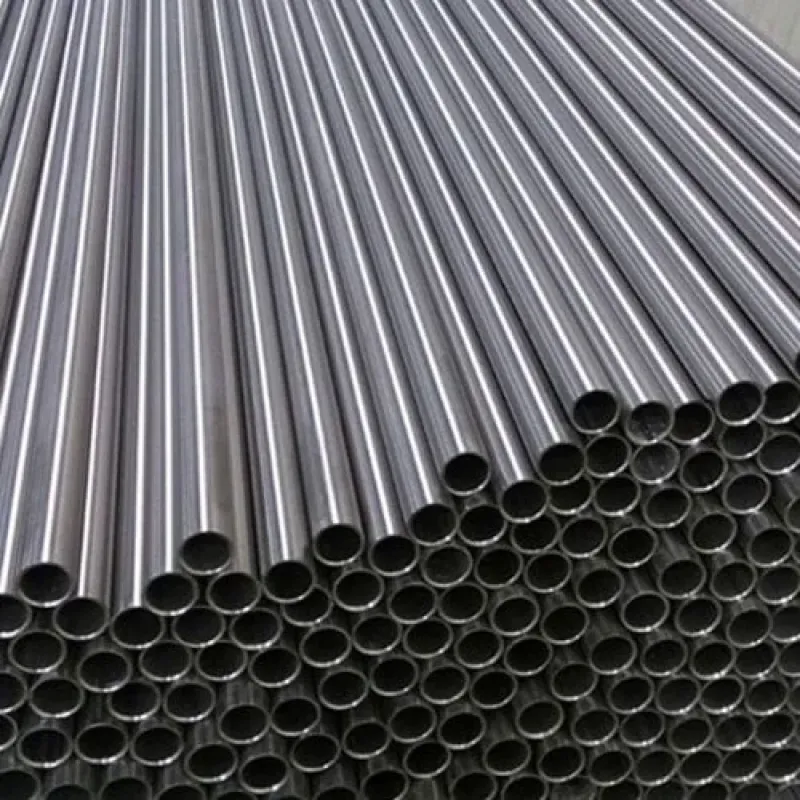
Sidhgiri Overseas is an industry leader and leading global supplier of fully traceable, mill-certified, and certified automotive stainless steel (SS) 304L piping for the industry. Sidhgiri Overseas has quality-controlled distribution systems and highly customized configurations with the ability to withstand the most severe thermal, welded, and industrial environments.
To Provide a Clear Explanation About Stainless Steel 304L Pipes.
What is a Stainless Steel 304L Pipe?
The most reduced carbon version of a standard 304 stainless steel piping system is stainless steel 304L pipes. The "L" is explicitly for low carbon, and the maximum carbon content is limited to 0.03%, while it is 0.08% in standard SS 304. This is an important chemical change that prevents a notorious problem that occurs during welding called carbide precipitation. For this reason, SS 304L is the material of choice for any heavy-gauge industrial pipe systems in extreme corrosive applications where a post-weld heat treatment is not practical or economical.
One important characteristic of stainless steel is the amount of chromium. All stainless steels have at least 10.5% chromium in their chemical composition. This chromium will, in a normal atmosphere, chemically oxidize to a very thin layer of chromium oxide, which forms on the surface of the metal.
Oxidation Barrier: This barrier will protect the underlying iron matrix from moisture and corrosive agents causing oxidation.
Self-Healing Barrier: It protects the pipe structure constantly and has the property of forming a clean metallic surface when the pipe is cut, scraped, or subjected to high-amplitude friction during fabrication in the presence of oxygen.
A Solid Understanding of the Various Structural and Functional Advantages
Stainless steel is a material that has been around for over 100 years, and is the most used and popular material in the world today. It is resistant to corrosion thanks to its content of chromium. Resistance can be shown in the ability to reduce acids and against pitting in chloride solutions. The maintenance requirement is very low, it has a familiar luster, and it is an ideal material for the manufacture of stainless steel 304L pipes.
There are several types of stainless steel 304L pipe, such as seamless cold-drawn steel pipe and high-frequency welded steel pipe. It is important to know that the selection of the most appropriate piping structure is very dependent on the type of operating environment, chemical composition of the alloy, manufacturing standards, surface finish, and structural load.
The Crucial Difference: Why Low Carbon Matters
Because of its strong affinity, the chromium will tend to form chromium carbides around the grain boundaries of the standard grade SS 304 if it is welded at high temperatures between 425°C and 860°C. This action leaves the heat-affected area very susceptible to localized corrosion, known as intergranular corrosion or weld decay.
The precipitation of carbides is avoided in SS 304L thanks to its low carbon content of maximum 0.03%. This means heavy profiles can be structurally welded without having to undertake post-weld thermal operations to restore localized corrosion resistance, offering significant practical advantages during the field installations:
Elimination of Post-Weld Heat Treatment: Speeds up onsite fabrication and significantly lowers project labor costs since heavy-gauge joints do not require thermal stress relief.
Exceptional Cryogenic Toughness: The low-carbon austenitic grain structure retains outstanding ductility, impact strength, and structural resilience at deeply sub-zero temperatures.
Seamless Field Adaptation: Enables easy modification, cutting, and re-welding directly on pipe racks without compromising the chemical integrity of the pipeline.
Stainless Steel 304L Pipe Types — Based on Surface Finishes & Grades
The chemical composition and surface profile of steel overall have a great influence on end products' mechanical properties and application areas. Due to the wide application of 304L pipes in heavy industrial engineering and sanitary construction, alloy selection and surface finish are critical factors in determining their usage:
No. 1 / Mill Finish (Hot-Rolled): A raw, unpolished finish that is dull and gray in color. Generally used for hidden industrial skeletons, subflooring supports, chemical plant plumbing, and wastewater conduits.
2B Finish (Cold-Rolled): A smooth, unpolished surface with a slightly metallic touch, it serves as the basic finish for heavy industrial equipment basements and processing components.
Satin / Brushed Finish (#4 / Grit 240/320): Smooth unidirectional matte lines. It does not show fingerprints or scuffs easily and is the standard material for architectural accents, food-processing structures, and public handrails.
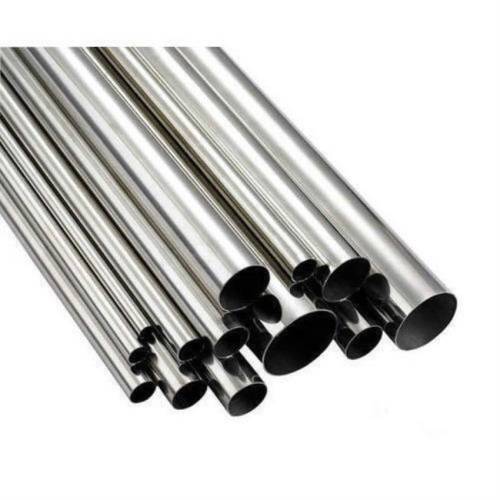
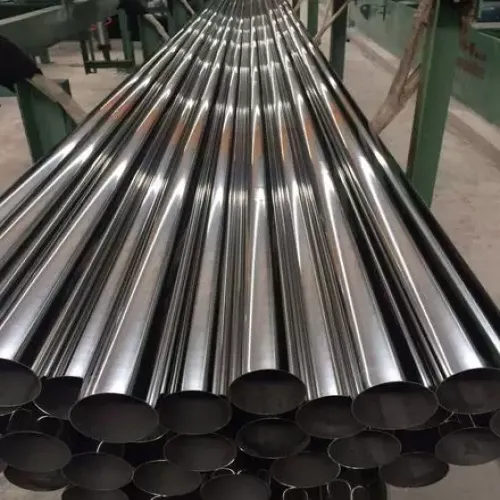
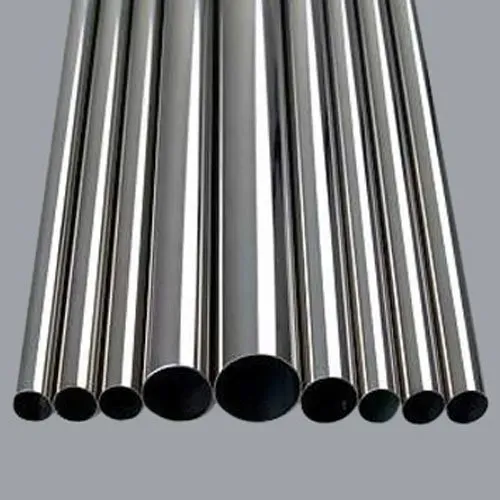
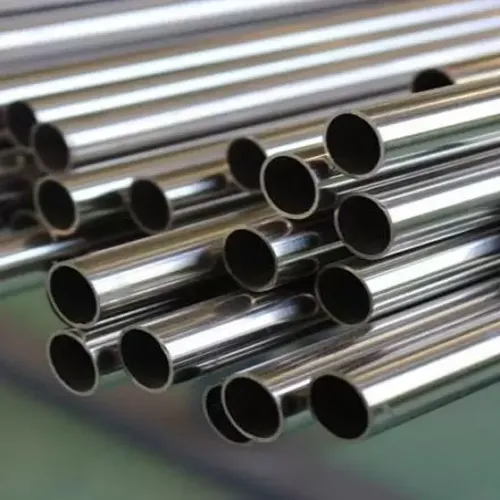
Mirror Polished (#8 / Grit 600+): A highly reflective, chrome-like finish used for sanitary lines with the highest standard of cleanliness, luxury architectural facades, and highly visible industrial designs.
Dual Certified Optimization: Dual-certified stock meeting both SS 304 and SS 304L parameters is available with Sidhgiri Overseas. This means the material provides the low-carbon corrosion resistance of 304L while maintaining the higher mechanical strength of standard 304.
International Standard Grades Matrix
| DIN Grades | EN Grades | ASTM / ASME Standards | Targeted Scope |
|---|
| 1.4301 | X5CrNi18-10 | ASTM A312 Grade MT304 | Standard grade for general purpose and high corrosion setups |
| 1.4306 | X2CrNi19-11 | ASTM A312 Grade MT304L | Low-carbon optimization to prevent post-weld corrosion |
| 1.4401 | X5CrNiMo17-12-2 | ASTM A312 Grade MT316 | Molybdenum grade required for high-chloride or marine tasks |
| 1.4404 | X2CrNiMo17-13-2 | ASTM A312 Grade MT316L | Low-carbon marine variant preventing structural weld decay |
| 1.2010 / 1.2020 | X12CrMnNiN17-7-5 | ASTM A554 Grade MT201/202 | Budget alternative strictly for dry decorative or indoor use |
Size Configurations & Manufacturing Processes
An old adage is that industry and standards go hand-in-hand. There may be differences between manufacturing and testing results based on the variations in organization standards for broad application ranges. The 304L pipes are designated by their nominal bore (NB) or exact outer diameter (OD) with tight wall thickness schedules ranging from regular cold-drawn and welded fabrication ranges.
Common Size Classifications
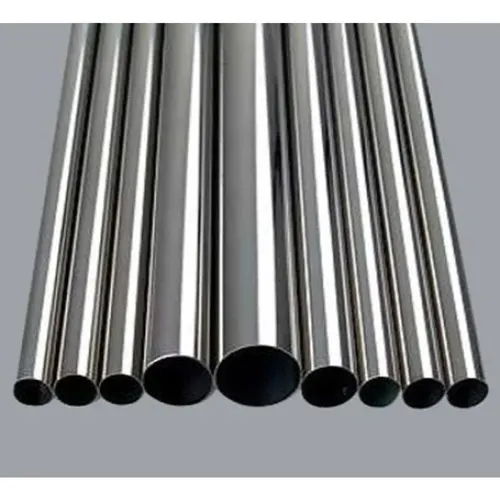
Small Profiles (1/8" to 1" NB / 15.88 mm to 33.7 mm OD): Usually used for sanitary tubing, sample lines, chemical dosing loops, and instrument plumbing for thin-wall applications (Schedule 5S/10S).
Medium Framework (1.25" to 4" NB / 42.4 mm to 114.3 mm OD): Typically used with Schedule 40S wall in water treatment system distribution, brewery washdown headers, staircase stringers, and structural frames.
Heavy Structural & Transmission (6" / 168.3 mm up to 48" / 1219 mm NB/OD): Thick-walled (Schedule 80S to Schedule 160) for high-volume wastewater transmission lines, structural columns, and handling lines for chemicals.
Categorized Application Areas
Chemical & Petrochemical Processing: Used extensively for conveying mildly corrosive chemical and organic solvents and industrial acids where extensive structural welding and branch connections are required.
Water Treatment & Desalination: Can be used in municipal wastewater systems, sewage filtration systems, outfall lines, and desalination treatment systems for water that is not saline.
Typical Applications for Brewery, Dairy & Sanitary Lines: For sanitary processing lines that undergo rigorous, high-heat cleaning processes where conventional welded seams would tend to experience rapid weld decay.
Cryogenic Piping Systems: Excellent impact strength, structural toughness, and fracture resistance at liquid nitrogen, liquid oxygen, or liquid helium temperatures at deep subzero temperatures.
Technical Specifications of Stainless Steel 304L Pipe:
Industrial stainless steel 304L pipes meet exacting pressure schedules, chemical limits, and nominal bore profiles across the globe to ensure ultimate engineering performance compared with simple commercial tubes.
Pipe Sizing (OD / NB): 1/8 inch up to 48 inches Nominal Bore (15.88 mm, 21.3 mm, 26.9 mm, 33.7 mm, 42.4 mm, 48.3 mm, 60.3 mm, etc.): 26.9 mm eases uniformity of pipe profiles from light chemical dosing tubes to massive processing distribution main lines.
Wall Thickness / Schedule: Schedule 5S, 10S, 20S, 40S, 80S, up to Schedule 160 variants. Wall mass controls for high internal fluid pressure lines and structural downloading requirements.
Grade of material: SS 304L (ultra-low carbon), dual-certified SS 304/304L, standard SS 304, and SS 316L. Eliminates complete carbide precipitation and weld decay due to intergranular corrosion by limiting carbon to 0.03% max.
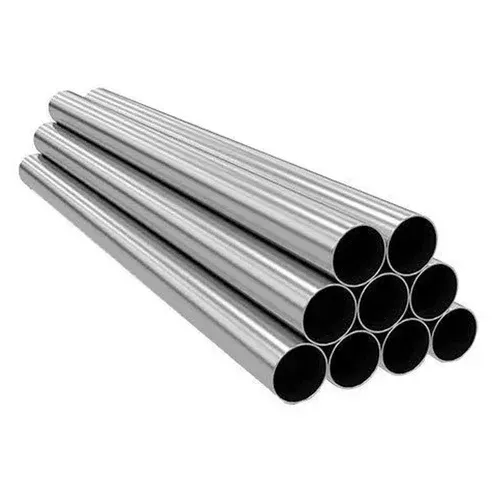
Pipe & Form Type: Seamless Drawn Billet, Welded Seam RHS / ERW Pipe. Matches seamless variants that are connected to extreme high-pressure lines or economical welded variants to structural grids.
Surface Finish: No. 1 Mill Finish, 2B Cold-Rolled, Satin/Brushed (#4), and Mirror Polished (#8). Creates aesthetic needs by providing brushed/mirror finishes for some industrial surfaces and unpolished gray surfaces for hidden industrial structures.
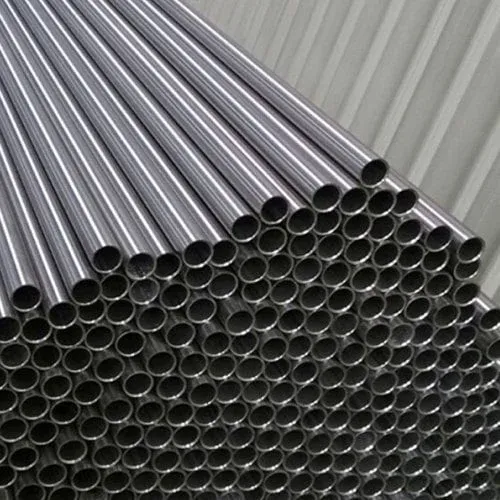
Lengths: 3 m, 4 m, 5.8 m, 6 m, random lengths, and custom-cut lengths. Pre-cut and continuous mill with spatial layout parameters, architectural design boundaries, and shipping containers.
Mechanical Performance: Minimum Yield Strength: 170 MPa | Minimum Tensile Strength: 485 MPa. Certified metallurgy for deep pressure compliance and structural and bending strength.
Material Disadvantages & Limitations
SS 304L can pit and experience stress corrosion cracking under the same conditions as 304 when exposed to warm salt water, marine air, or heavy bleach solutions. In coastal marine facilities, higher molybdenum SS316L lines are required.
Lower Yield Strength: Standalone 304L is used in a lower yield strength (170 MPa) than standard 304 (205 MPa) because of the lesser amount of carbon. If using under high mechanical pressures, thicker walls or dual-certified pipes are required.
The Use of Metrics for Sourcing & Supply Chain Strategy
With structural piping or chemical distribution piping, it's important to have a breakdown of suppliers by price level, filters for quality compliance, and logistics agility:
Tiered Cost Structures: Piping options have been graduated within wide cost bands (Below ₹200, ₹201 - ₹250, ₹251 - ₹400, Heavy Industrial / Performance options Above ₹401 per kg) in relation to the total nickel content, thickness of the pipes, and specialized surface finishes applied.
Corporate Compliance Filters: For major projects of state government, heavy mechanical, energy generation projects, etc., only top-class operations with an annual turnover of over ₹5 Cr and registered continuously for 3 years or more with GST are eligible to be considered for procurement so that complete traceability of material is possible.
Localized Logistics Networks: Construction project managers will have the ability to connect with agile supply options in the area, leveraging specialized regional supplier networks located in Muscat to reduce transport time lags to local building sites and surrounding {local_hubs} commercial facilities.
Top Stainless Steel 304L Pipe Exporters in Muscat
For the uninterrupted operation of industrial cross-border logistics, it is necessary to rely on export-oriented channels to keep manufacturing, energy production, automotive production, and chemical processing facilities in operation all over the world.
As one of the largest Sidhgiri Overseas adopts international logistics to send high-quality welded and seamless Stainless Steel 304L Pipes Exporters in Muscat, which export to the processing plants and structural logistics distribution centers around the world. Each batch of exports is carefully made to meet international EN, DIN, ASME, and ASTM A312/A269 standards, providing elite structural insurance on a global scale.
What the L actually buys on SS 304L
One number: carbon capped at 0.030% instead of 0.08%. Chromium and nickel
are effectively unchanged at 18–20% and 8–12%.
That lower ceiling leaves too little carbon to form a continuous chromium
carbide network at the grain boundaries during welding, so the heat affected
zone keeps its corrosion resistance without a post-weld solution anneal. For
fabricated assemblies this is not a refinement, it is the difference between a
joint that lasts and one that corrodes along the weld line.
The trade is strength. A312 minima drop to 485 MPa (70 ksi)
tensile and 170 MPa (25 ksi) yield against 515 and 205 for 304, so a
design governed by allowable stress may need a heavier wall. Elongation stays
at 35%.
304L is also not a high-temperature grade. Above roughly 425 °C in
sustained service the low carbon costs creep strength, and the stabilised
grades 321 and 347H take over. Choose 304L for welded fabrication at or near
ambient; choose 304 where the part is not welded and the extra yield is worth
having.