Top Production Infrastructure
Sidhgiri Overseas is a leading world-class supplier of fully traceable, mill-certified quality industrial, decorative, and performance-grade marine stainless steel (SS) 316 pipes. Sidhgiri Overseas offers well-controlled distribution networks, offering extremely specific configurations specially engineered to achieve superior resistance to the harshest chemical, marine, and high-temperature environments.
A clear explanation of stainless steel 316 pipes.
What is Stainless Steel 316 Pipe?
Stainless steel 316 pipes are the top grade and the high-quality option for heavy industrial piping systems, as they are the most durable option for marine use. They are austenitic steels and are generally known as "molybdenum-bearing" stainless steels because of the inclusion of 2% to 3% molybdenum in their chemical composition. This single component dramatically increases the localized chemical attack, pitting, crevice corrosion, and stress corrosion cracking resistance of the steel. Designed for absolute structural protection, SS 316 pipes are the recommended solution for the most corrosive, high-saline, and acid-rich processing lines.
Stainless steel's characteristic chemical composition is what makes it so unique, and all stainless steel products must contain at least 10.5% chromium. This chromium reacts with the air naturally to create a very thin non-porous layer of chromium oxide on the surface of the metal.
Oxidation Shield: This barrier prevents moisture and corrosive agents from oxidizing the iron matrix.
Self Healing: This protective film is re-established if the 316 pipe is severed, scratched, or subjected to very high friction forces during manufacturing, thus providing permanent structural protection and a clean, metallic appearance.
A Clear Explanation of Different Structural and Functional Benefits
Stainless steel is the most popular, as well as the most widely used, material in the world since it was invented more than 100 years ago. Due to the presence of chromium content, it is resistant to corrosion. Resistance may be manifested as a reduction of acids and against pitting attacks in chloride solutions. It requires minimal maintenance, and it is a familiar shine that is more than suitable and perfect for stainless steel 316 pipes.
Stainless steel 316 pipe comes in a wide range of different product types, such as seamless drawn channels and longitudinally welded. The selection of the best pipe structure is completely reliant on the correct alloy chemistry, manufacturing requirements, surface finish, and structural load against the operating environment.
Why Is SS316 the Molybdenum Advantage?
In the presence of chlorides (salt water, coastal air, industrial bleach, aggressive processing solvents, etc.), 304 stainless steel is quickly and easily corroded. The chloride ions erode the standard protective chromium oxide layer, creating microscopic holes, called pitting.
The molybdenum added in SS 316 is bound to the chromium oxide matrix. It chemically strengthens the protective film, which is highly resistant to industrial acids and severe chloride conditions. This offers important structural benefits:
Superior Pitting & Crevice Defense: Continuous protection in stagnant chloride-bearing water or marine splash zones.
Elevated Temperature Creep Strength: Provides greater stress to rupture, greater creep resistance, and higher mechanical tensile strength at high operating temperatures than the 304 series.
Excellent Sub-Zero Toughness: Maintains excellent mechanical properties and impact strength at extremely cold marine temperatures.
Stainless Steel 316 Pipe Types — Based on Surface Finishes & Grades
The chemical composition and surface profile of steel overall have a great influence on end products' mechanical properties and application areas. The surface finish and alloy grade selection determine the use of 316 pipes due to their use in severe industrial operations and high-end coastal architectural design.
No.1 / Mill Finish (Hot-Rolled): Unpolished raw surface that is dull and gray. The standard for hidden offshore frameworks, underground industrial machine basements, chemical refinery grids, and sub-flooring supports.
2B Finish (Cold-Rolled): Smooth, no buffed, giving a uniform metallic appearance, suitable for chemical tanks, pharmaceutical fluid systems, and industrial processing loops.
Satin / Brushed Finish (#4 / 240/320): Has smooth lines in one direction only, a matte finish. Casts no shadow of a fingerprint, scuff, or mark and is ideal for public transportation, coastal handrails, and outdoor architectural features.
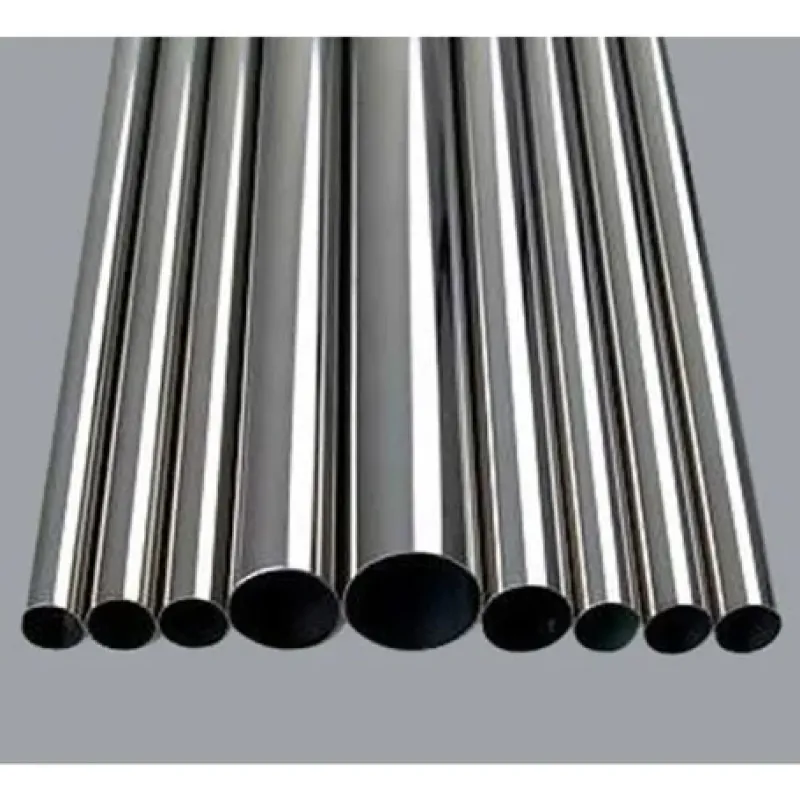
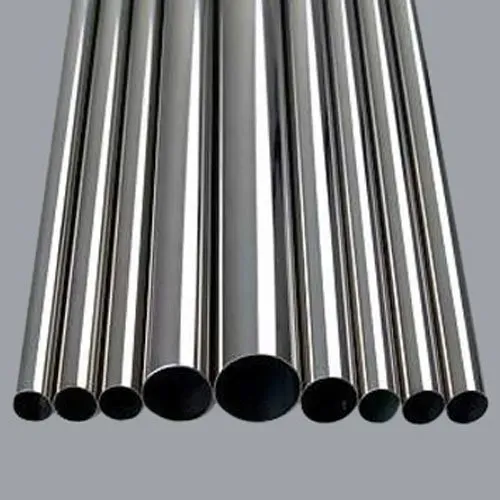
Mirror Polished (#8 / Grit 600+): A shiny, reflective chrome-like effect for luxury marine grab handles, high-end yacht detailing, coastal facades, and high-purity sanitary installations.
Alloy Grade Optimization: Standard SS 316 is offered for high levels of chemical and temperature resistance; ultra-low carbon SS 316L (carbon limited to 0.03% max) is for heavy-gauge field welding to eliminate weld decay; and baseline SS 304 or 202 grades are used only in dry, indoor furniture or mild, non-saline environments.
International Standard Grades Matrix
| DIN Grades | EN Grades | ASTM / ASME Standards | Targeted Scope |
|---|
| 1.4401 | X5CrNiMo17-12-2 | ASTM A312 Grade MT316 | Molybdenum grade; premium pitting and chloride resistance |
| 1.4404 | X2CrNiMo17-13-2 | ASTM A312 Grade MT316L | Low-carbon marine optimization prevents weld decay |
| 1.4301 | X5CrNi18-10 | ASTM A312 Grade MT304 | General-purpose grade for non-marine or mild settings |
| 1.4306 | X2CrNi19-11 | ASTM A312 Grade MT304L | Low-carbon general-purpose variant for standard welding |
| 1.2010 / 1.2020 | X12CrMnNiN17-7-5 | ASTM A554 Grade MT201/202 | Budget alternative strictly for dry indoor or decorative use |
Homework 1: Size Configurations & Manufacturing Processes
As we all know, there's a close relationship between industry and standards. Due to the use of different organization standards for a wide range of applications, the manufacturing and testing results may differ. All 316 pipes are sized by NB or precise OD and have strict wall thickness schedules and are part of a high-pressure seamless or economical welded fabrication track.
Common Size Classifications
Small Profiles (1/8" to 1" NB / 15.88 mm to 33.7 mm OD): Typically coupled with thin walls (Schedule 5S/10S) for use in pharmaceutical sample lines, chemical dosing loops, high purity water instrumentation, and special marine applications.
Medium Framework (1.25" - 4" NB / 42.4 mm - 114.3 mm OD): Used for coastal handrails, boat railings, desalination plant connections, and industrial processing conduits in combination with Schedule 40S walls.
Heavy Structural & Transmission (6" to 48" NB / 168.3 mm to 1219 mm OD): Thick walls (Schedule 80S to 160) can be used as heavy structural and transmission columns in offshore rigs, chemical reactor mainlines, pulp digesters, and heavy industrial plant platforms.
Categorized Application Areas
Marine Engineering & Offshore Infrastructure: Crucial for mechanical systems directly exposed to sea spray or tidal salt mist, boat railings, dock frameworks, and coastal infrastructure, all used on offshore oil rigs.
Chemical, Pharmaceutical & Petrochemical Plants: Processing grids carrying highly corrosive organic/inorganic acids, industrial solvents, chlorides, and bromide compounds.
Pulp & Paper Manufacturing: Digesters, bleaching loops, aggressive sulfurous chemical mixtures, and intense processing washes in liquid transmission lines.
High-Purity Water & Desalination Systems: Incorporated into sophisticated municipal water purification lines, seawater desalination facilities, and fluid supply systems in medical or laboratory applications.
Technical Specifications of Stainless Steel 316 Pipes
Unlike basic commercial tubes, industrial stainless steel 316 pipes adhere to strict outer dimensions, premium chemical metrics, and global pressure schedules to confirm absolute operational insurance.
Pipe Sizing (OD / NB): 1/8 inch up to 48 inches Nominal Bore (15.88 mm, 21.3 mm, 26.9 mm, 33.7 mm, 42.4 mm, 48.3 mm, 60.3 mm, etc.). Standardizes pipe profiles from thin laboratory dosing tracks to massive high-volume industrial processing lines.
Wall Thickness / Schedule: Schedule 5S, 10S, 20S, 40S, 80S, up to Schedule 160 variants. Controls wall mass to handle high internal pressure, aggressive fluids, and heavy dead-load structural variables.
Material Grade: SS 316 (Premium Marine Grade), alternative grades (316L, 304, 304L, 202, 409). Integrates 2-3% Molybdenum to prevent pitting, crevice attacks, and stress corrosion in chloride environments.
Pipe & Form Type: Seamless Drawn Billet, Welded Seam RHS / ERW Pipe. Selects seamless blocks for high-pressure containment or welded options for structural and low-to-medium pressure transfer.
Surface Finish: No. 1 Mill Finish, 2B Cold-Rolled, Satin/Brushed (No. 4), Mirror Polished (No. 8). Brushed and mirror finishes handle visible marine design; the unpolished mill finish serves hidden industrial reactor grids.
Standard Length: 3 m, 4 m, 5.8 m, 6 m, random lengths, and custom-cut profiles. Pre-cut and continuous mill configurations matching spatial layout requirements, architectural layouts, and international shipping constraints.
Mechanical Strength: Min. Yield Strength: 205 MPa | Min. Tensile Strength: 515 MPa. Verified metallurgy ensuring supreme structural rigidity on a primary axis and exceptional creep resistance at high temperatures.
Material Limitations & Cost Considerations
Cost Premium: Due to the higher market cost of raw nickel and the scarcity of molybdenum, SS 316 pipes carry a notable price premium compared to standard SS 304.
Welding Considerations: Much like standard 304, standard grade 316 can suffer from localized weld decay (intergranular corrosion) if subjected to heavy-gauge welding. For high-thickness, heavily welded systems, the low-carbon variant SS 316L should be selected to avoid post-weld heat treatment.
Strategic Sourcing & Supply Chain Metrics
In order to procure structural piping or marine-grade hollow channels, one should carefully analyze suppliers according to their pricing, certifications, and their physical location in relation to the commercial areas in Kuwait.
Tiered Cost Structures: The pipe configuration is scaled based on the total nickel content or concentration, overall wall thickness, and special finishes in different ranges like below ₹200, ₹201 - ₹250, ₹251 - ₹400, and heavy industrial / performance options above ₹401 per kg.
Corporate Compliance Filters: Only top-notch entities with an annual revenue of ₹5 Cr+ and active GST registration for 3+ years are eligible for partnerships for any major state-run projects, heavy mechanical works, and energy establishments, as this is to ensure the traceability of materials.
Localized Logistics Networks: Project managers can access agile delivery options from specialized regional supplier networks as part of an agile supply chain located in Kuwait to cut transport lag for local construction projects and neighboring areas in {local_hubs}.
Top Stainless Steel 316 Pipe Exporters
Industrial trade and logistics between countries depend on reliable export routes to maintain production of chemicals, automotive manufacturing, energy generation, and industrial facilities throughout Kuwait.
Sidhgiri Overseas Global Distribution: Sidhgiri Overseas is a leading exporter linked to the global logistics network to distribute high-performance welded and seamless stainless steel 316 piping from our plant in Kuwait through processing plants and structural distribution centers around the world. Each batch of exports is made up of goods that fully meet international standards such as EN, DIN, ASME, and ASTM A312/SA312 and offers elite structural security on a global scale to all partner {local_hubs} networks.
The molybdenum, and what it is worth
316 is 16–18% chromium, 10–14% nickel and, critically,
2–3% molybdenum, with carbon to 0.08%. PREN works out around 24 against
roughly 19 for 304.
Molybdenum does one job well: it stabilises the passive film against
chloride attack. Pitting and crevice corrosion initiate where chloride
concentrates and the film cannot repair itself, and in those conditions the
difference between 304 and 316 is not incremental. Seawater, brine, chlorinated
process water, coastal air, many food brines and a long list of process
chemicals all fall on the 316 side of that line.
Mechanical minima under A312 match 304: 515 MPa tensile, 205 MPa
yield, 35% elongation, with hardness allowed slightly higher at HRB 95 or
HBW 217.
What 316 does not solve is chloride stress corrosion cracking. Above roughly
60 °C with chlorides and tensile stress present, the austenitic grades
as a family become vulnerable, and the answer is duplex or a higher alloy
rather than more molybdenum. Worth establishing before the order, not after.
Where 316 pipe is the wrong answer
Specifying up is as expensive a mistake as specifying down, and 316 gets
specified reflexively.
Dry interior and structural work. No chlorides means the
molybdenum is doing nothing. 304 carries the same mechanical minima at
materially lower cost.
Sustained high temperature. Above roughly 425 °C
held, 316 sensitises in the same band as 304 and has no creep advantage. The
stabilised grades 321 and 347H exist for that duty.
Hot chlorides under tensile stress. This is the one that
catches people. Above about 60 °C with chlorides present and the pipe
under stress, austenitic grades as a family are liable to chloride stress
corrosion cracking, and more molybdenum does not fix it. The answer is a duplex
or a higher-alloy grade, and it needs settling at design stage rather than
after a failure.
Sour service. Where hydrogen sulphide is present, NACE
MR0175 governs material selection and standard austenitic grades may not
qualify at all.
Where 316 is exactly right: coastal and marine exposure, chlorinated or
brackish water, food brines, most chemical process duty at or near ambient, and
pharmaceutical work where the line is cleaned with anything aggressive.
Sizes, schedules and the two standards that both say "40"
316 pipe is ordered by nominal pipe size and schedule, and the schedule
number alone is ambiguous above NPS 12.
Stainless pipe dimensions follow ASME B36.19M, which uses the S-suffix
series: 5S, 10S, 40S, 80S. Carbon steel pipe follows B36.10M with the plain
series. Up to around NPS 10 the wall for 40S and 40 is the same number, so
nobody notices. Above NPS 12 they diverge, and a drawing that says
"schedule 40" without naming the standard becomes ambiguous at exactly the
sizes where the difference is expensive.
Confirm which standard the drawing means before the order is placed. One
email against a container of wrong wall.
The other recurring size error is pipe called out as tube. NPS 2 pipe
measures 60.3 mm across the outside; 2 inch tube measures
50.8 mm. If the drawing gives a nominal size and a schedule it means pipe;
if it gives an actual outside diameter and a wall thickness it means tube. Our
weight calculator
will settle the mass once the dimensions are agreed.
Marine, offshore and coastal infrastructure
The bulk of 316 pipe demand is work that sits in, over or near salt water,
and the specification questions there are different from process plant.
Splash zone against full immersion. Continuously immersed
316 often performs better than 316 in the splash zone, because wetting and
drying concentrates chloride on the surface and lets it dry to a film. Handrail
and walkway supports at deck level fail before the submerged structure does.
Crevices, not surfaces. Flange faces, pipe supports, cable
cleats and anywhere a gasket or clamp sits are where coastal failures start.
The open surface is rarely the problem. Detailing matters more than the extra
half per cent of molybdenum.
Galvanic pairing. 316 coupled to carbon steel or to
aluminium in a wet, salt-laden environment will drive corrosion of the less
noble metal fast. Isolation at the joint is a design item, not an afterthought.
Tea-staining on visible work. Rust-coloured discolouration
on architectural stainless near the coast is cosmetic, and clients treat it as
a defect regardless. Surface finish drives it: a smoother finish stains less,
and a 2B or brushed finish will hold up where a mill finish will not.
Filler metal, and the weld that corrodes before the pipe does
A 316 line is only as corrosion resistant as the metal in its joints, and
the filler is specified separately from the pipe.
316 and 316L are normally welded with ER316L filler. The L filler is used
even on standard 316 base metal, because the weld deposit solidifies with a
cast structure that is more susceptible than the wrought parent, and the lower
carbon protects it. Using ER308L, which is the common 304-family filler, on a
316 joint puts a molybdenum-free deposit into a chloride line. It looks
identical and it pits first.
Delta ferrite matters too. A small ferrite fraction in the deposit, usually
quoted as a Ferrite Number, resists solidification cracking; too much costs
corrosion resistance and, in hot service, promotes sigma phase. Where a
specification states an FN range, it has to be in the welding procedure, not
checked afterwards.
And the back of the weld needs protecting. An unpurged root on stainless
oxidises to a sugary, chromium-depleted scale that no amount of external
finishing reaches. Argon backing purge on root runs is standard practice on
corrosive service and is the first thing to go when a fabricator is under time
pressure.