Phone Number +91-96194-06392
Opening Hours:

Mon-Sat: 9am - 6pm

Stainless Steel ERW Pipe Supplier in Kenya

Import Export
European Directive 2014/68/EU
ISO 14001:2015
ISO 45001:2018
ISO 9001:2015
GST Certificate
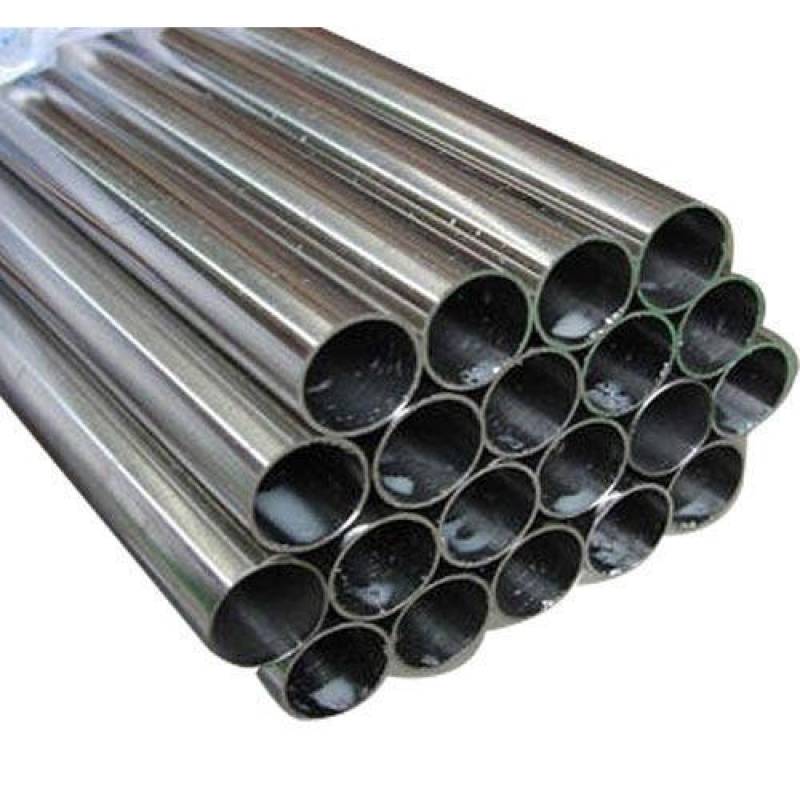
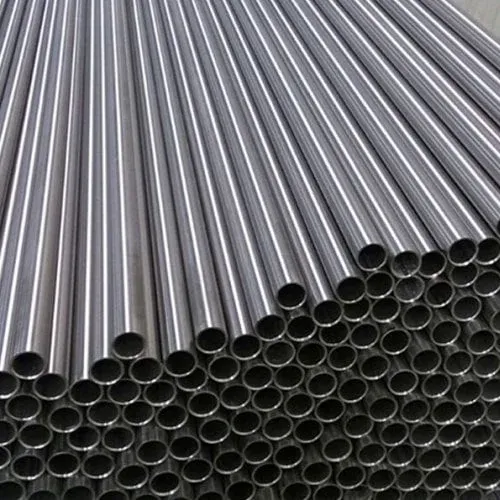
Stainless Steel ERW Pipe

Stainless Steel ERW Pipe Supplier in Kenya Since 1962

For the ordering of high-pressure fluid lines, custom exhaust sections, and heavy structural piping parts, it is necessary to rely on trusted experts in the metallurgy field. Industrial projects use material streams to get parts with absolute dimensional accuracy, verifiable heat tracking, and outstanding structural stability under operational stress.

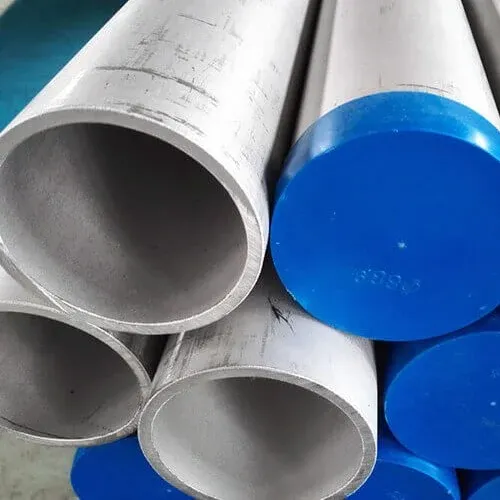
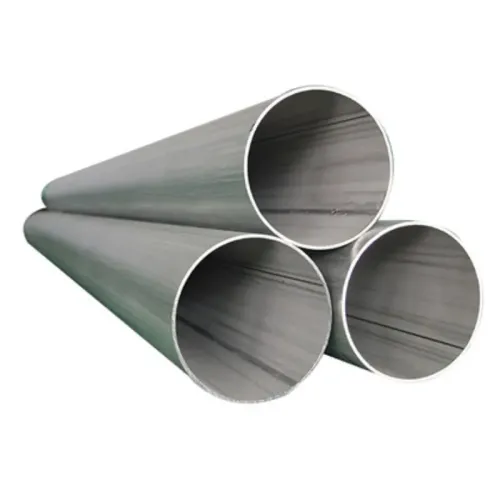
Sidhgiri Overseas is one of the Stainless Steel ERW Pipe Suppliers in Kenya that uses high-frequency electric resistance welding (ERW) technology to manufacture precision-engineered pipes. The manufacturing method provides a perfect, strong longitudinal weld seam with the same strength as the parent metal. Our ERW stainless steel pipes are engineered for structural applications as well as for their ability to withstand fluid movement efficiently, with strength, dimensional uniformity, tight tolerances, and a superior resistance to corrosion.

Each production batch is thoroughly quality checked and is well documented with material traceability, making it suitable for demanding operational conditions in the industrial sectors of the region, including {local_hubs} manufacturing areas, with reliable, cost-effective, and heavy-duty piping products.

Top Production Infrastructure

Sidhgiri Overseas has emerged as one of the manufacturers and suppliers of 100% traceable, mill-certified automotive, industrial, decorative, and performance stainless steel ERW pipes in the international market. Sidhgiri Overseas' distribution networks are quality controlled to provide extremely customized configurations designed to meet the most demanding industrial and thermal conditions.

Technical Definition of Stainless Steel ERW Pipes

What is Stainless Steel ERW Pipe?

Stainless steel ERW (Electric Resistance Welding) pipes are precision pressure and structure pipes, which are formed by cold-forming the continuous stainless steel pipe raw material into a cylindrical pipe. The longitudinal seam is welded with high-frequency electrical current without using filler metal. This heat is produced only by the resistance of the steel edges being pressed together, creating an extremely clean, strong, and molecularly continuous weld joint compared to the rest of the pipe wall.

The unique characteristic of stainless steel is its unique chemical composition, which is at least 10.5% chromium. Under atmospheric conditions, this chromium will naturally oxidize to create a thin and non-porous passive layer of chromium oxide on the surface of the metal.

Corrosive Barrier: This thin shield prevents moisture and aggressive oxidation agents from attacking the underlying iron matrix.

Automatic Regeneration: When the ERW pipe is cut, scraped, or subjected to intense mechanical friction during fabrication, the protective film regenerates automatically in the presence of oxygen, providing continuous structural protection and maintaining its characteristic clean metallic finish.

Critical Engineering & Economic Advantages

Stainless steel has been used and is the most popular material in the world since it was invented more than a hundred years ago. It is very resistant to the reduction of acids and to localized pitting attacks in chloride solutions due to its high chromium content. It is a very low-maintenance material and has a known luster, which makes it an ideal material for high-speed ERW pipe production.

There are several different types of stainless steel ERW pipe, including high-frequency induction-welded and fully annealed pipes. The choice of the best piping structure will depend entirely on the selection of the correct alloy chemistry, manufacturing specifications, and the structural load requirements for the desired operating environment.

Production Method Performance Benefits

ERW piping is produced on fast automated equipment and without the inconsistencies that are sometimes found with manual welding speeds. The electrical currents that create the joint are high-frequency and work at the molecular level with several unique benefits over traditional piping:

Perfect Wall Thickness Tolerance: ERW pipes are precision-rolled from flat, cold-rolled steel plates of uniform gauge. This entirely avoids the wall eccentricity and thickness variations that can occur during seamless tube piercing.

Flawless Internal Finish: Once the internal weld bead is mechanically scarfed (scraped smooth), the inside bore is completely uniform and flush. This prevents fluid turbulence, pressure drops, or material blockages inside the pipeline.

Extreme Cost Optimization: Produced via continuous high-speed automation, ERW pipes require a substantially lower manufacturing investment than seamless alternatives. This delivers exceptional cost savings for large-scale infrastructure projects without sacrificing structural soundness. soundness.

Stainless Steel ERW Pipe Types — Alloy Grades

These mechanical limits and the application of steel within industry depend upon the chemical composition of the steel. The material grade is a crucial factor influencing the performance, anti-corrosion, and thermal characteristics of an ERW pipe:

The basic grade for low- to medium-pressure liquid pipelines, oil and gas distribution lines, agricultural irrigation systems, and automotive structural applications. The "L" variant is used to reduce the potential for carbide precipitation when joining at high frequencies.

SS 316 / SS 316L ERW: Recommended for food/beverage and wastewater treatment applications and for industrial chemical processing lines where high chemical pitting and localized chloride resistance are required.

Carbon Steel ERW (IS 1239 / IS 3589): Highly common for structural scaffolding, HVAC fire sprinkler pipelines, and municipal water main lines where extreme alloy costs are not required.

International Standard Grades Matrix

DIN 1.4301 / 1.4306 | EN X5CrNi18-10 / X2CrNi19-11: Corresponds to ASTM A312 / A53 Grade TP304 / 304L (High-frequency induction welded for general utility, fluid transport, and plumbing).

DIN 1.4401 / 1.4404 | EN X5CrNiMo17-12-2 / X2CrNiMo17-13-2: Corresponds to ASTM A312 Grade TP316 / 316L (infused with molybdenum to actively prevent localized chemical pitting in water processing).

DIN 1.0345 | EN P235GH: Equates to IS 1239 / IS 3589 (Carbon Steel) (For structural columns, HVAC loops, and municipal water mains, it is mandatory for the Indian standard guidelines.

DIN 1.4541 | EN X6CrNiTi18-10: Equivalent to ASTM A312 Grade TP321 (titanium-stabilized ERW formulation for high-stress exhaust and thermal boundaries).

Sizing Frameworks & ASTM Specifications

Quality and standardization go together. There are many standards for different organizations, and they're applied over a broad range of application areas, so it's necessary to get them aligned in the right direction. It is important for buyers to check local code requirements for industrial use before entering into a procurement process.

The dimensions of industrial ERW pipe are determined by the outer diameter (OD) or nominal pipe size (NPS), in addition to the wall schedule. The standards specify the exact processing parameters:

ASTM A312: Seamless, straight-welded, and heavily cold-worked austenitic stainless steel pipes are covered by the ASTM A312 standard specification for seamless, straight-seam welded, and heavily cold-worked austenitic stainless steel pipes for high-temperature and general corrosive service.

IS 1239 / IS 3589: These are compulsory Indian standards for the water, gas, air, and general structural construction applications of mild steel and carbon steel ERW tubes.

Categorized Application Areas

Municipal & Industrial Flow Networks: Internal precision scarfing results in smooth bores to increase fluid volume and reduce backpressure in commercial water mains, low-pressure oil distribution, and utility gas mains.

Structural Engineering & Scaffolding: ERW pipes are highly applicable to the high dimensional uniformity of round profiles for heavy structural scaffolding, HVAC lines, equipment safety frames, and municipal structural work.

Automotive & Agricultural Conduits: ERW pipes are chosen for vehicle exhaust tracks and for high-volume agricultural irrigation; the outer walls are manufactured with high precision, giving fast automated bending and robotic assembly.

Technical Specifications of Stainless Steel ERW Pipes

Unlike non-standard light-gauge ornamental tubing, industrial stainless steel ERW pipes adhere to precise sizing, schedule, and dimensional metrics to manage operational pressure thresholds.

Pipe Diameter (OD / NB): Available configurations span 1/2 inch (21.3 mm), 3/4 inch (26.7 mm), 1 inch (33.4 mm), 2 inch (60.3 mm), and 4 inch (114.3 mm), scaling all the way up to 24-inch (609.6 mm) lines. This standardizes sizing benchmarks across industrial pipelines and water networks.

Wall Thickness / Schedule: Offered in 1.2 mm, 1.5 mm, 2.0 mm, 3.0 mm, and 4.0 mm, moving up to heavy Schedule 40 and Schedule 80 wall profiles. This keeps wall boundaries perfectly consistent to manage standard pressure lines and prevent load bending.

Material Grade: Available in SS 304, SS 304L, SS 316, SS 316L, IS 1239, IS 3589, and general carbon steel. This optimizes the structure based on localized corrosive exposure, high-speed automated assembly limits, or cost-effective structural load boundaries.

Surface Finish: Options include Mechanically Scarfed Smooth, Fully Annealed, Industrial Matte Mill Finish, and Acid-Pickled. Scarfing clears the inner weld line to prevent blockages; heat annealing stabilizes the grain across the weld line.

Pipe & End Type: Configured with High-Frequency Induction Welded, Forged-State Seams, Plain Ends (PE), Beveled Ends (BE), or Threaded Ends. This prepares the ERW boundary for fast couplings, threaded plumbing fittings, or automated orbital line welding.

Standard Length: Supplied in 3 m, 6 m, 12 ft, 20 ft, and custom-cut profiles to match spatial layout requirements, chassis layout constraints, and assembly dimensions.

Vehicle / Industry Focus: Custom engineered pathways structured around water distribution, structural framing, scaffolding, HVAC loops, irrigation, and automotive infrastructure.

Strategic Sourcing & Regional Supply Chain

For structural piping or for municipal fluid channels, procurement teams look at suppliers' prices on the pipe, physical location to project sites, and their quality control certifications.

Tiered Cost Structures: Piping configurations across a range of specific commercial applications (Below ₹200, ₹201 - ₹250, ₹251 - ₹400, and Heavy Industrial / Performance options above ₹401) are organized in a systematic manner as a function of total nickel concentration, overall wall thickness, and specialized surface finishes.

Corporate Compliance Filters: Major state-run projects, heavy mechanical works, and energy facilities only allow partnerships with elite entities with an annual turnover of ₹5 Cr+ and with continuous GST registration for 3+ years to maintain continuous traceability of the materials.

Localized Logistics Networks: Project managers can buy from specialized regional supply chains in Kenya, which provide agile mechanisms in delivery to reduce transport lead time to local construction projects and neighboring {local_hubs} industrial complexes.

Top Stainless Steel ERW Pipe Exporters

Specialized export corridors are responsible for delivering goods to manufacturing facilities, power generation plants, auto assembly plants, chemical processing plants, and other factories across the globe.

Sidhgiri Overseas Global Distribution provides top-quality ERW stainless steel pipes, which are manufactured in our factory at Kenya and are shipped directly to the processing plant and automotive distribution center worldwide. All export batches are carefully produced to international EN, DIN, and ASTM standards, providing the world's highest level of structural insurance to the global manufacturing points and regional {local_hubs} networks.


Why ERW? Process Advantages

The ERW process offers a specific set of structural and commercial advantages over other pipe-making methods: 

  • Consistent wall thickness. Since the pipe is formed by rolling flat strip of a defined gauge, wall thickness tolerance is inherently precise and repeatable along the length of the pipe. 
  • Smooth internal bore. Immediately after the seam is welded, it is scarfed — trimmed on both the inside and outside surfaces — removing the weld bead. This leaves a smooth internal bore with no seam obstruction, which matters for applications sensitive to internal flow resistance or fitment. 
  • Cost efficiency. ERW is a faster, more automatable process than seamless pipe manufacturing, which translates into strong cost efficiency without compromising the pipe's dimensional consistency. 
  • Forged seam bond. The resistance-welded seam is a solid-state, forged bond rather than a fusion or melt bond. This gives the seam good mechanical integrity without introducing the cast-structure weaknesses that can arise from melt-based welding. 

Grades & Standards

Stainless Steel ERW Pipe from Siddhgiri Overseas is available in the following grades, cross-referenced against DIN, EN and ASTM A312 pipe grade designations: 

1.4301 

X5CrNi18-10 

TP304 

1.4404 

X2CrNiMo17-13-2 

TP316L 

1.4541 

X6CrNiTi18-10 

TP321 

Grade 321 (1.4541) is titanium-stabilized and is also available in ERW construction alongside the standard 304 and 316L grades. 

Where a project specifies Indian standards alongside these ASTM/DIN/EN references, ERW tube manufacture is additionally covered by IS 1239 and IS 3589, the Indian standards applicable to carbon-steel ERW tube, and referenced where Indian-standard compliance is required for the stainless equivalents. Mill Test Certificates (MTC, for example to EN 10204 3.1) are issued as standard documentation with each dispatch. 

Sizing & Applications

Stainless Steel ERW Pipe is manufactured across a wide size range, from 21.3mm OD up to 609.6mm (24") OD, covering everything from small-diameter structural tube through to large-diameter process pipe. 

This range makes ERW pipe suitable for structural and architectural framing, mechanical tube applications, and larger-bore piping runs where a smooth internal bore and consistent wall thickness are needed. The scarfed, obstruction-free bore is particularly relevant for pipework where internal surface finish and flow path matter, while the tight wall tolerance suits applications with defined structural or dimensional requirements. 

Every ERW pipe is dimensionally checked before dispatch to confirm it meets the ordered size and tolerance. 

Certifications

Siddhgiri Overseas is ISO certified for quality, occupational health & safety and environment management, and holds the import and export certification required to supply stainless steel pipe and tube to customers worldwide. Certificate copies are available on request for buyers who need them for their own compliance records.

Why Choose Sidhgiri Overseas?

Selecting Sidhgiri Overseas as your primary supply partner ensures long-term operational defence whether your organisation manages heavy fluid transportation, high-purity food production, rigorous automotive engineering, or demanding architectural fabrication lines. We maintain elite quality standards across all output sectors:

Complete Material Traceability: Every shipped bundle from Sidhgiri Overseas includes comprehensive, authentic material test certificates confirming exact chemical compositions down to the melt stage.

Strict Dimensional Accuracy: Utilizing advanced rolling, welding, and calibration equipment ensures absolute compliance across Nominal Pipe Sizes (NPS), wall thicknesses, and diameter boundaries.

Excellent Wall Consistency: Our welded material lines inherit the precise tolerances of high-grade flat-rolled steel sheet, guaranteeing uniform walls along the entire tube run.

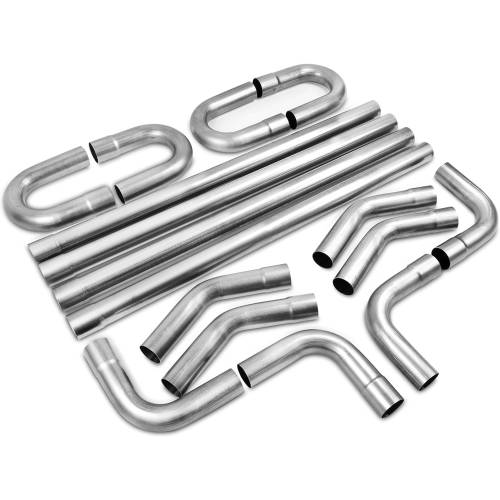
True Mandrel-Bent Profiling: Our custom-formed bend components guarantee a uniform inner diameter across all structural twists, maximizing flow velocity and stopping restriction-born backpressure.

Chloride Pitting Protection: Our premium molybdenum-infused 316 and 316L lines provide maximum defense against salt spray, marine air, and industrial acids.

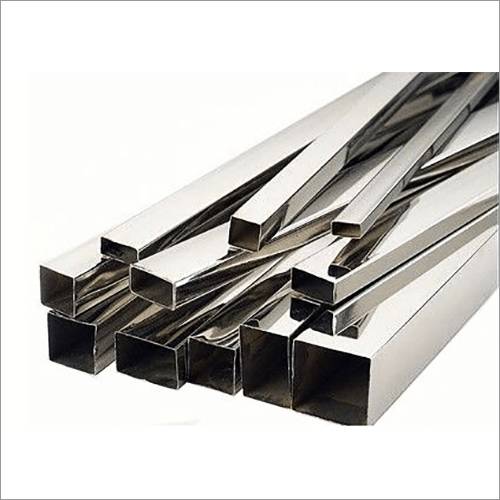
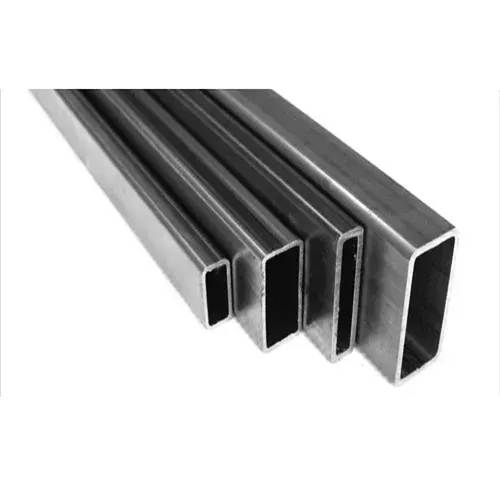
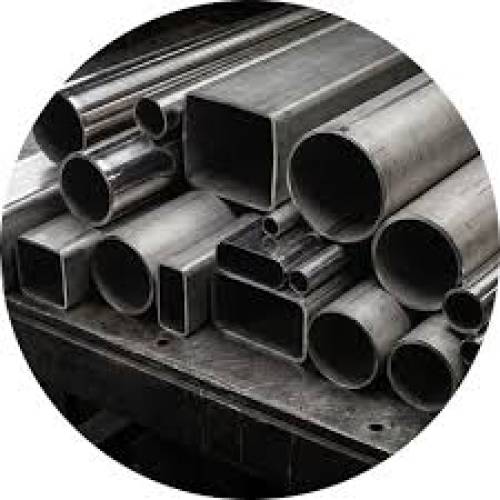
Flexible Sourcing Configurations: Stocking diverse catalog variations such as Jindal SS 304 Welded Multi-Shape Pipes for fabrication, Heavy Duty ERW Welded Pipes for municipal water lines, and TIG-Welded Sanitary Tubes for cosmetic and beverage lines.

Vetted Commercial Integrity: Sidhgiri Overseas operates with substantial manufacturing volumes, clear tiered billing systems, and verified compliance structures to easily manage large enterprise contracts.

Talk to Our Engineering Team Today!

Looking to buy quality ERW piping for your new project or custom exhaust lines? Our technical distribution team at Sidhgiri Overseas is ready to assist you to determine your best mechanical parameter combination of alloy grade, finish, and wall thickness. If you need detailed itemized pricing, certified mill reports, or direct shipping of bulk quantities, give our supply specialists a call today. Give your operations the precision-engineered structural security of metallurgy in stainless steel that Sidhgiri Overseas offers.

1. Production & Technology FAQs

Q: What is a Stainless Steel ERW Pipe, and how is it manufactured?

A: ERW stands for Electric Resistance Welding. These pipes are manufactured by cold-forming a continuous flat strip of high-grade stainless steel into a cylindrical shape. The longitudinal seam is then joined using a high-frequency electrical current without the addition of any filler metal. The heat required for welding is generated entirely by the electrical resistance of the steel edges as they are pressed together, creating a molecularly continuous, clean joint.

Q: What is "internal scarfing," and why is it important for fluid flow?

A: During the high-frequency welding process, a small bead of excess metal forms along the internal seam. Mechanical scarfing is the process of scraping this internal weld bead smooth while the pipe is being formed. This ensures a completely uniform, flush inner bore, which eliminates fluid turbulence, prevents internal pressure drops, and blocks material accumulations or clogging.

Q: How do ERW pipes achieve better wall thickness tolerance than seamless pipes?

A: ERW pipes are precision-rolled from flat, cold-rolled steel plates or coils that feature a highly uniform gauge. Because the raw material starts perfectly flat and uniform, the resulting pipe completely avoids the wall eccentricity and thickness variations that can naturally occur during the rotational piercing process used to create seamless tubes.

2. Sizing, Alloy Grades, & Standards

Q: When should I choose Carbon Steel ERW over Stainless Steel ERW?

A: Material selection depends heavily on the operating environment and budget:

Stainless Steel (SS 304/316): Selected when the system requires high corrosion resistance, hygienic purity (food/beverage), or handles aggressive chemicals and wastewater.

Carbon Steel (IS 1239 / IS 3589): Highly cost-effective and structurally robust; it is the industry standard for general structural scaffolding, fire sprinkler loops (HVAC), and municipal water main lines where specialized alloy corrosion defenses are not financially required.

Q: What is the purpose of fully annealing an ERW pipe after welding?

A: Full heat annealing is a post-welding thermal treatment that stabilizes the grain structure across the high-frequency weld line. This process relieves the residual stresses introduced during cold-forming and welding, ensuring the seam possesses the same structural strength, mechanical ductility, and corrosion resistance as the parent metal.

Q: What regulatory standards govern ERW pipes in India?

A: Sourcing depends on the material and application:

IS 1239 & IS 3589: Compulsory Indian standards governing mild steel and carbon steel ERW tubes deployed in municipal water, gas, air, and general structural building applications.

ASTM A312 / A53: Global standard specifications regulating straight-seam welded and high-frequency induction-welded austenitic stainless steel pipes intended for general utility and corrosive service.

3. Sourcing & Commercial Logistics

Q: How does ERW piping provide cost optimization for large infrastructure projects?

A: Because ERW pipes are manufactured via continuous, high-speed automated machinery rather than the complex, multi-stage hot-piercing and drawing required for seamless production, they demand a much lower initial manufacturing investment. This translates into major commercial savings for large-scale pipelines and structural framing without compromising on dual-axis structural integrity.

Q: What compliance documentation is required for enterprise and state-run projects?

A: To satisfy strict corporate and municipal traceability requirements, engineering teams restrict sourcing to certified suppliers who can provide authentic Mill Test Certificates (MTCs) mapping the steel back to its original melt stage. Commercial compliance filters for heavy infrastructure routinely mandate that partner manufacturers maintain an annual turnover exceeding ₹5 Cr along with a verified, continuous GST registration history of at least 3 years. Sourcing from established hubs in Gurugram ensures rapid logistical deployment to nearby industrial zones like Manesar and Faridabad.

Related Categories

FAQs

Frequently Asked Questions About Stainless Steel ERW Pipe

ERW stands for Electric Resistance Welding. Flat stainless steel strip is rolled into a tube shape, and the longitudinal edges are pressed together and fused using electrical resistance heating, without any filler metal added. 

Immediately after the seam is welded, it is scarfed — trimmed on both the inner and outer surfaces — which removes the weld bead. This leaves the internal bore smooth and free of any seam obstruction. 

ERW pipe is formed from flat strip and welded along a longitudinal seam using a solid-state, forged bond, while seamless pipe has no seam at all. ERW's strip-based process gives it a precise, consistent wall thickness and strong cost efficiency compared to the seamless process, which is slower and less automatable. 

Siddhgiri Overseas manufactures ERW pipe in grade 304 (1.4301/X5CrNi18-10/TP304), 316L (1.4404/X2CrNiMo17-13-2/TP316L) and 321 (1.4541/X6CrNiTi18-10/TP321), including the titanium-stabilized 321 grade in ERW form. 

ERW pipe is manufactured from 21.3mm OD up to 609.6mm (24") OD, spanning small structural tube sizes through to large-diameter process pipe. 

Yes, where a project specifies Indian standards alongside ASTM, DIN or EN references. IS 1239 and IS 3589 are the Indian standards applicable to carbon-steel ERW tube, and they are referenced for the stainless equivalents in such cases. 

The resistance-welded seam forms a solid-state, forged bond rather than a fusion or melt bond. This gives the seam good mechanical integrity without introducing the cast-structure weaknesses associated with melt-based welding processes. 

Each pipe undergoes dimensional checks before dispatch, and Mill Test Certificates (MTC, for example to EN 10204 3.1) are issued as standard supporting documentation. 

Clients

Our Partners

Tata Power
Shell Global Solutions
ONGC
NRL
NTPC
NIOC
HP
JSL
Godrej
Bhel
Inoxium Tubi
24/7 we are here
Your Partner in Industrial Growth, Let’s get started today!