Phone Number +91-96194-06392
Opening Hours:

Mon-Sat: 9am - 6pm

Stainless Steel Exhaust Pipe Supplier in Japan

Import Export
European Directive 2014/68/EU
ISO 14001:2015
ISO 45001:2018
ISO 9001:2015
GST Certificate
Stainless Steel Exhaust Pipe

Stainless Steel Exhaust Pipe Supplier in Japan Since 1962

Heavy-duty automotive and industrial piping infrastructure selection calls for premium materials from reputable and mill-certified manufacturing facilities. Sidhgiri Overseas is one of the Stainless Steel Exhaust Pipe Suppliers in Japan and offers high-performance exhaust architectures that can withstand the violent thermal cycle, corrosive road grime, and hard acidic gases without compromising.

Specialized manufacturing lines are used to ensure strict dimensional control, optimized backpressure, and chemical stability over each production batch, both in the global automotive and industrial markets. We are specialized in highly durable configurations and use the highest quality grades, such as austenitic and aircraft-grade T304 stainless steel. These materials are carefully developed to provide an efficient release of gas at high speed and the long-term ability to control emissions. Sidhgiri Overseas is dedicated to providing raw material tubes and finished assemblies of certified quality, especially designed for use in high-temperature environments, with a strict adherence to the product quality parameters. By working with the top domestic manufacturer, you can be certain that its products will function properly and last long and will offer complete structural integrity to the most important exhaust systems.

A Clear Explanation of Different Types of Stainless Steel

What is Stainless Steel?

Simply, stainless steel is a very tough alloy of iron that has at least 10.5% chromium. It is fundamentally engineered to incorporate special elements such as chromium, nickel, and molybdenum that deliver the exceptional corrosion resistance, strength, and endurance that’s required in automotive, industrial, and heavy construction applications.

Satisfyingly, stainless steel does not easily corrode when exposed to moisture and oxygen, as a very thin layer of chromium oxide forms on the surface of the steel, which protects it from corrosion. This passive protective barrier protects the metal from corrosive automotive fluids, water, and atmospheric exposure. This top layer is regenerated in the presence of oxygen and can be re-created instantly when it is scratched or mechanically damaged, thus reducing the need for maintenance while maintaining its familiar clean, metallic shine.

A Clear Explanation of Different Types of Stainless Steel Pipes

Stainless steel is the most commonly used and popular material in high-temperature piping, having been invented more than 100 years ago. Its rich chromium content gives it outstanding resistance against corrosion, which can be easily demonstrated in reducing acids as well as against pitting attacks in chloride solutions. It's an extremely durable substance for creating durable exhaust lines thanks to its low maintenance and familiar luster.

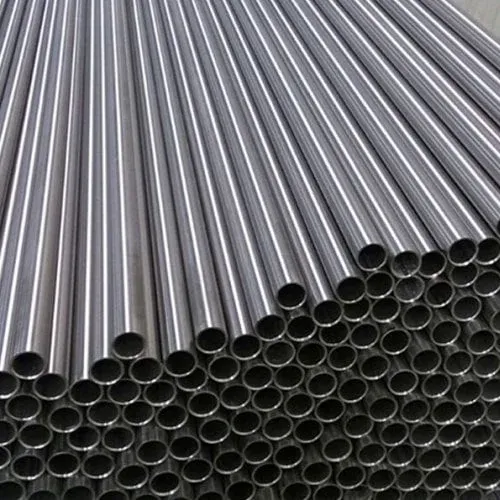
Stainless steel pipe comes in different configurations such as welded pipes and seamless pipes. The composition of the chemicals can be altered, and it can be utilized in a range of high-performance industries. To ensure the correct procurement of stainless steel pipes, the various types of stainless steel pipes in terms of manufacturing methods, alloy grades, ASTM specifications, and application areas should be explained.

Different Types of Stainless Steel Pipes Based on the Production Method

1. Welded Stainless Steel Pipes

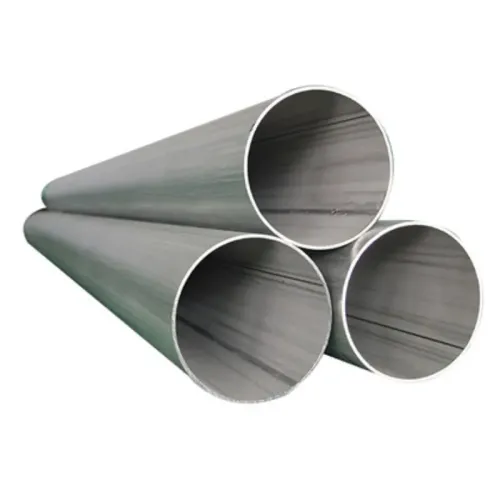
The technique of producing welded pipes from continuous coil or plate entails rolling the plate or coil into a circular section with the help of high-precision rollers or bending equipment. The filler material can be used in large-scale production runs.

Welded pipes are generally less expensive than seamless pipes, which have an overall more cost-intensive production method. While the deep technical details of these welding methods won't be covered here, they commonly appear as standard industry abbreviations that are important to be familiar with:

EFW: Electric fusion welding

ERW: Electric resistance welding

HFW: High-frequency welding

SAW: Submerged arc welding (spiral seam or long seam)

2. Seamless Stainless Steel Pipes

In special industrial applications, seamless pipes are also very sought after. After being extruded, the metal is rolled along its entire length from solid round billets. This is a high-precision metal extrusion method, which can produce seamless pipe of any length.

The joints of ERW pipes are welded in the cross-sectional area, whereas the seamless pipes do not have any welded seam because the entire process of pipe manufacturing is done from solid round billets to pipe wall thickness and dimensions. These profiles are used in extreme environments, like high-velocity exhaust systems, oil and gas transportation, and chemical processing refineries, because there is no seam on the body of the pipe.

Stainless Steel Pipe Types – Based on Alloy Grades

The chemical composition of steel overall has a great influence on the end products' mechanical properties and application areas. So, it is no surprise that they can be classified in terms of their chemical compositions. However, while trying to find out the grade of a specific stainless steel pipe, various types of nomenclatures can be encountered. The most used standards when designating steel pipes are DIN (German), EN, and ASTM grades.

One can consult a cross-reference table to find the equivalent grades for their specific assembly layout:

DIN GradeEN GradeASTM GradeKey Characteristics & Exhaust Suitability
1.4541X6CrNiTi18-10A 312 Grade TP321Titanium-stabilized; exceptional resistance to high-temperature scaling.
1.4571X6CrNiMoTi17-12-2A 312 Grade TP316TiAdded molybdenum and titanium; high resistance to localized acidic pitting.
1.4301X5CrNi18-10A 312 Grade TP304Standard grade; excellent forming properties for mandrel bending.
1.4306X2CrNi19-11A 312 Grade TP304LLow-carbon version; avoids carbide precipitation during welding.
1.4307X2CrNi18-9A 312 Grade TP304LHighly weldable; ideal for complex custom exhaust manifolds.
1.4401X5CrNiMo17-12-2A 312 Grade TP316Infused with molybdenum; exceptional resistance to harsh chemical exhaust.
1.4404X2CrNiMo17-13-2A 312 Grade TP316LLow-carbon 316; maximum protection against extreme marine corrosion.

Different Types of Stainless Steel Pipes Based on Application Areas

Sanitary Pipes: These are fabricated using high-purity stainless steel and will be used in applications that require the highest levels of sanitary requirements, for example, medical devices, food processing, and sensitive biochemistry lines. Unfortunately, this type of pipe is the most desired type for the industry because it provides the most efficient and pure flow of fluid. Its simplicity of maintenance makes the pipe the most corrosion-resistant, and it will not rust. ASTM A270 grades are the most widely used.

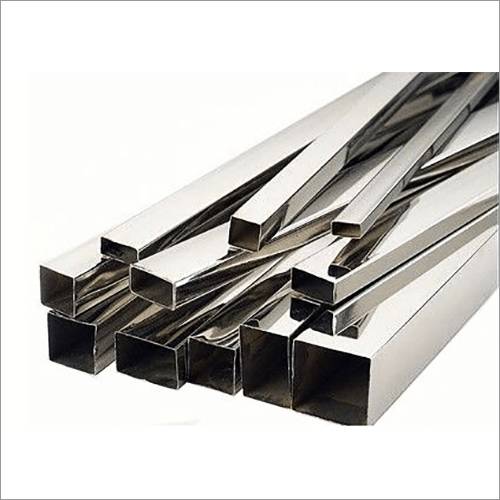
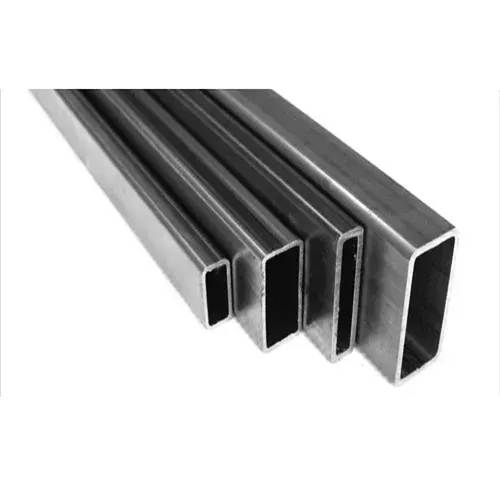
Mechanical Pipes: Mechanical pipes are used in a variety of applications, such as hollow parts, structural brackets, and cylinder parts. The mechanical structure can easily be adapted to a wide variety of sectional shapes, like rectangular, square, and other custom sections that can be summed up to standard shapes. The most commonly used types of grades for mechanical applications, automotive chassis fabrication, or agricultural machinery are ASTM A554 or ASTM A511 because of their superior machinability.

Polished Pipes: Polished stainless steel pipes are used in residential, retail, and commercial applications according to the architectural requirements. The smooth surfaces help to decrease wear on moving parts and adhesion and contamination on other equipment surfaces. Polished pipes are an integral element in safety railings, structural borders, and custom designer furniture, among others, where beauty and style are crucial.

Technical Specifications of Stainless Steel Pipes

When specifying stainless steel pipes, sizing standards rely on Nominal Pipe Size (NPS) and Schedule (Sch). The schedule number determines the wall thickness, which directly influences the maximum pressure threshold the profile can handle safely.

Pipe Sizing Standard, Structural Parameter and its Engineering Purpose

Pipe Sizing StandardStructural ParameterEngineering Purpose
Nominal Pipe Size (NPS)Outer Dimensional GuidelineStandardizes connection alignment across fittings, flanges, and components.
Schedule (e.g., Sch 10, Sch 40)Wall Thickness MetricGoverns inner diameter space and dictates the structural and pressure handling limits.
Surface Finish TypePickled, Oiled, or PolishedControls surface friction, eliminates scaling, and prevents contaminant adhesion.

Stainless Steel Exhaust Suppliers in Japan

To obtain dependable pipeline parts, the cost considerations and material traceability need to be taken into account. We are the best Stainless Steel Exhaust Suppliers in Japan. Matching the right vendor format makes up a great deal of the setup budget, whether purchasing individual cuts or high-volume industrial supply:

Direct Mills & Large Corporate Stockholders: Best for custom length cuts, specialized mill test certificates, and wholesale volume orders. In such heavy structural or chemical infrastructure projects, large entities such as Jindal Stainless Limited provide fully traceable stock.

B2B Industrial Directories: For project planners, platforms such as the regional Stainless Steel Pipe Hub enable them to verify up-to-date bulk pricing (in kg) and communicate directly with local, metropolitan distributors and key regional {local_hubs} to ensure timely logistics coordination.

Precision Online Distributorships: Specialized pre-cut profiles are priced instantly on precision online distributorship websites, such as MetaleMart, with clean finishes designed for mechanical instrumentation.


Grade Selection: T304 vs SS 409

Exhaust systems almost always use one of two grade families, and the choice comes down to a trade-off between corrosion resistance and cost rather than one grade being simply "better" than the other. 

T304 (austenitic, 18% chromium / 8% nickel) — the nickel content gives T304 stronger overall corrosion resistance and good formability, which is why it's the grade most commonly specified for aftermarket and performance exhaust systems, where the pipe is often more visible, expected to last through multiple vehicle ownership cycles, and formed into tighter or more elaborate bend configurations. 

SS 409 (ferritic, roughly 11% chromium, no significant nickel) — this is the grade most OEM automotive exhaust lines are built on. It performs well against high-temperature oxidation up to around 675°C, which covers the operating range of most of the exhaust system, and it costs less than austenitic grades because it carries no nickel. The trade-off is that SS 409 can develop some cosmetic surface discoloration over time — this is a surface effect, not a sign of structural degradation, and the pipe retains its integrity through it. 

In practice: OEM production runs generally specify SS 409 for cost and thermal performance across the full run; aftermarket, performance, and any application where long-term surface appearance matters generally specify T304. Sections closest to the manifold, where temperatures run highest, are the ones most worth reviewing case-by-case regardless of which grade is used elsewhere in the system. 

Sizing, Bends & Standards

Sizing. Exhaust pipe is sized differently from general industrial pipe — diameters typically fall in the 38mm to 55mm range (roughly 1.5" to 2.2"), reflecting exhaust gas flow requirements rather than structural load-bearing sizing conventions used elsewhere in the pipe range. 

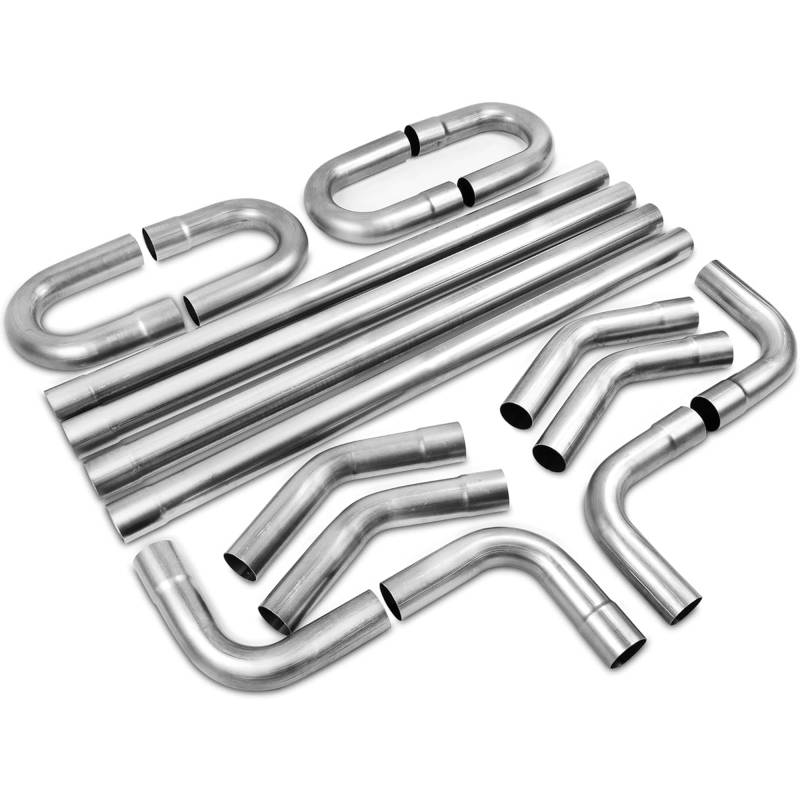
Bend types. Exhaust fabrication uses straight sections along with single, double, and multiple mandrel bends, depending on how many direction changes a given run of the system needs to route around the underside of the vehicle or through an industrial fume-extraction layout. Mandrel bending uses an internal support — the mandrel — inside the pipe while it's being bent, which keeps the cross-section round and undistorted through the curve instead of wrinkling or flattening on the inside radius. A distorted bend restricts gas flow at exactly the point where the pipe changes direction, so mandrel bending is the standard method wherever bend quality affects performance. 

Standards. ASTM A554 (welded stainless steel mechanical tubing) and ASTM A511 (seamless stainless steel mechanical tubing) are the grade specifications most commonly called out for exhaust and mechanical pipe applications, and Siddhgiri Overseas manufactures exhaust-grade pipe against these specifications. Mill Test Certificates are provided as standard supporting documentation with dispatch. 

Applications

Automotive OEM. Factory-fit exhaust systems are typically built on SS 409 across the full run from manifold to tailpipe, chosen for its high-temperature oxidation resistance and cost profile at production volumes. Aftermarket and performance. Replacement and performance exhaust systems more often specify T304 for its stronger corrosion resistance and formability, particularly for visible sections, custom mandrel-bent runs, and builds expected to outlast a factory system. Industrial exhaust and fume extraction. Beyond automotive use, the same grade and bend logic applies to industrial exhaust ducting and fume-extraction runs that need to handle elevated temperatures and repeated thermal cycling near the source, with straight or mandrel-bent sections selected to match the routing of the installation.

Certifications

Siddhgiri Overseas is ISO certified for quality, occupational health & safety and environment management, and holds the import and export certification required to supply stainless steel pipe and tube to customers worldwide. Certificate copies are available on request for buyers who need them for their own compliance records.

Why Choose Us?

When your business needs a reliable, long-term piping solution, you can count on a dedicated supply partner to ensure the safety of your system. We support our supply network with the best quality parameters in Japan:

Strict Mill Certification: Every structural block or seamless tube bundle arrives with verifiable raw material test reports tracking chemical composition back to the ladle stage.

Flawless Dimensional Uniformity: Advanced drawing and extrusion processes ensure strict control over Outer Diameter (OD), Inner Diameter (ID), and continuous wall thickness.

Corrosion-Resistant Integrity: Utilizing precise chemical ratios of chromium, nickel, and molybdenum keeps our products defended against localized pitting and thermal scaling.

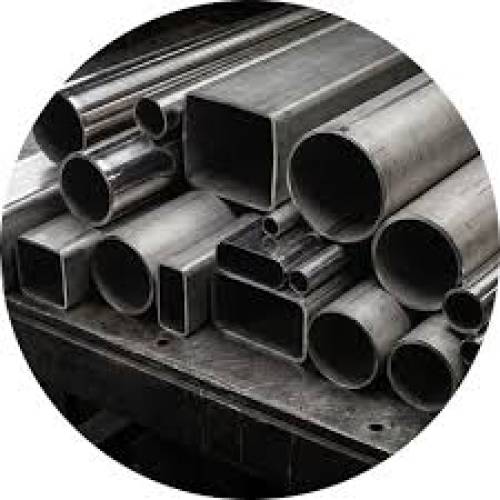
Diverse Custom Formats: We offer stock configurations across traditional round, square, rectangular, and oval profiles to fit specific mechanical exhaust layouts.

High Pressure Optimization: Seamless pipeline runs contain zero welded joints, allowing structural deployment across high-pressure processing lines.

Optimized Surface Finish: Options ranging from pickled-and-oiled surfaces to mirror electropolished finishes eliminate fluid resistance and bio-contamination.

Transparent Bulk Pricing: Our deep connection with distribution hubs ensures highly competitive market rates per kilogram or per meter.

Verified Logistics Speed: Reliable supply lines and localized shipping channels keep your assembly yard supplied on schedule, reducing operational downtime.

Call Our Engineering Team Today

Looking to maximize the efficiency of your industrial or automotive piping system? The product distribution team offers direct matchmaking in structural fabrication, custom exhaust layout systems, and heavy mechanical frameworks.

Call our distribution representatives now and get a precise material line estimate, request detailed material mill test certificates, or find out the up-to-the-minute raw material bulk pricing for the next project's timeline. Premium stainless steel engineering for high-performance systems.

Frequently Asked Questions (FAQs)

General Material Questions

What exactly makes stainless steel "stainless" and resistant to rust?

Stainless steel is an iron alloy containing a minimum of 10.5% chromium. This specific chemistry triggers the formation of a microscopic, passive layer of chromium oxide on the surface when exposed to oxygen. This layer acts as a barrier against moisture, road grime, and corrosive fluids. If scratched or mechanically damaged, the layer instantly regenerates itself in the presence of oxygen.

Why is T304 stainless steel preferred for high-performance exhaust applications?

Austenitic T304 (or ASTM A 312 Grade TP304) is highly sought after because of its balanced mechanical properties. It offers excellent forming characteristics—essential for tight mandrel bends in complex exhaust layouts—and provides strong long-term structural integrity through aggressive thermal cycles and exposure to acidic exhaust gases.

Manufacturing & Configuration (Welded vs. Seamless)

What is the primary operational difference between welded and seamless stainless steel pipes?

Welded Pipes: Manufactured by rolling continuous flat coils or plates into a circular shape and joining the edges via high-precision welding methods (e.g., ERW, EFW, SAW). They are generally more cost-effective for large-scale production runs.

Seamless Pipes: Extruded and rolled along their full length from a solid round billet, leaving absolutely no welded joint line. Because there is no seam to act as a potential point of structural vulnerability, they are ideal for high-pressure systems and ultra-high-velocity exhaust environments.

What do standard acronyms like ERW, EFW, and SAW stand for in welded piping?

These terms represent the industrial welding methodologies used during production:

ERW: Electric Resistance Welding

EFW: Electric Fusion Welding

SAW: Submerged Arc Welding

HFW: High-Frequency Welding

Alloy Grades & Custom Selection

Which stainless steel grade should I select for extreme high-temperature environments prone to scaling?

You should look toward ASTM A 312 Grade TP321 (equivalent to EN X6CrNiTi18-10 / DIN 1.4541). This grade is explicitly titanium-stabilized, which gives it exceptional mechanical durability and resistance to scaling at elevated thermal limits.

How do 316-grade variants (like TP316 and TP316L) differ from standard 304 grades?

316-series alloys are infused with molybdenum. This element greatly improves resistance to localized acidic pitting and aggressive chemical wear. The TP316L low-carbon version provides maximum protection against extreme marine corrosion and prevents carbide precipitation during custom welding operations.

Technical Specifications & Sizing

How do Nominal Pipe Size (NPS) and Schedule (Sch) affect my layout parameters?

Nominal Pipe Size (NPS) acts as the outer dimensional guideline to ensure alignment across matching flanges, fittings, and connectors.

Schedule (Sch 10, Sch 40, etc.) dictates the explicit wall thickness. A higher schedule number signifies a thicker wall, which reduces the internal diameter but increases the total pressure threshold the profile can handle.

What options are available for surface finishes, and why do they matter?

Pipes can be ordered with pickled, oiled, or polished (including mirror electropolished) surfaces. Beyond aesthetics, proper surface treatments lower inner fluid resistance, eliminate thermal scaling, and prevent contaminants or bio-materials from adhering to the system walls.

Related Categories

FAQs

Frequently Asked Questions About Stainless Steel Exhaust Pipe

It depends on the application. SS 409 is the standard choice for OEM factory exhaust systems because it resists high-temperature oxidation up to around 675°C and costs less than austenitic grades. T304 is generally preferred for aftermarket and performance exhaust systems where stronger corrosion resistance and long-term surface appearance matter more than cost per length. 

SS 409 is a ferritic grade without significant nickel content, and its surface can develop cosmetic discoloration with age and heat exposure. This is a surface-level effect only — it does not indicate a loss of structural integrity, and the pipe continues to perform its function normally. 

Sections near the manifold see the highest thermal load in the system, routinely approaching 900°C, along with repeated heating and cooling cycles as the vehicle or equipment is used. The pipe material has to expand and contract through these cycles without cracking, which is a key factor in grade and section selection near the manifold. 

Mandrel bending uses an internal support inside the pipe during the bend, which keeps the cross-section round and undistorted through the curve. Standard bending without a mandrel tends to wrinkle or flatten the inside of the bend, which restricts exhaust gas flow at that point in the system — so mandrel bending is the standard method wherever bend quality affects performance. 

Exhaust pipe is typically supplied in the 38mm to 55mm diameter range (roughly 1.5" to 2.2"), which is sized for exhaust gas flow rather than the larger diameters used in general industrial pipe. 

Exhaust and mechanical pipe is manufactured against ASTM A554 (welded) and ASTM A511 (seamless) mechanical tubing specifications, the grade standards most commonly called out for these applications. Mill Test Certificates are issued as standard documentation with each dispatch. 

Yes. Exhaust pipe is available as straight sections or pre-formed as single, double, or multiple mandrel bends to match the bend configuration a given exhaust run requires, with dimensional checks carried out before dispatch. 

Clients

Our Partners

Tata Power
Shell Global Solutions
ONGC
NRL
NTPC
NIOC
HP
JSL
Godrej
Bhel
Inoxium Tubi
24/7 we are here
Your Partner in Industrial Growth, Let’s get started today!