Phone Number +91-96194-06392
Opening Hours:

Mon-Sat: 9am - 6pm

SS 310 Pipe Supplier in Ghana

Import Export
European Directive 2014/68/EU
ISO 14001:2015
ISO 45001:2018
ISO 9001:2015
GST Certificate
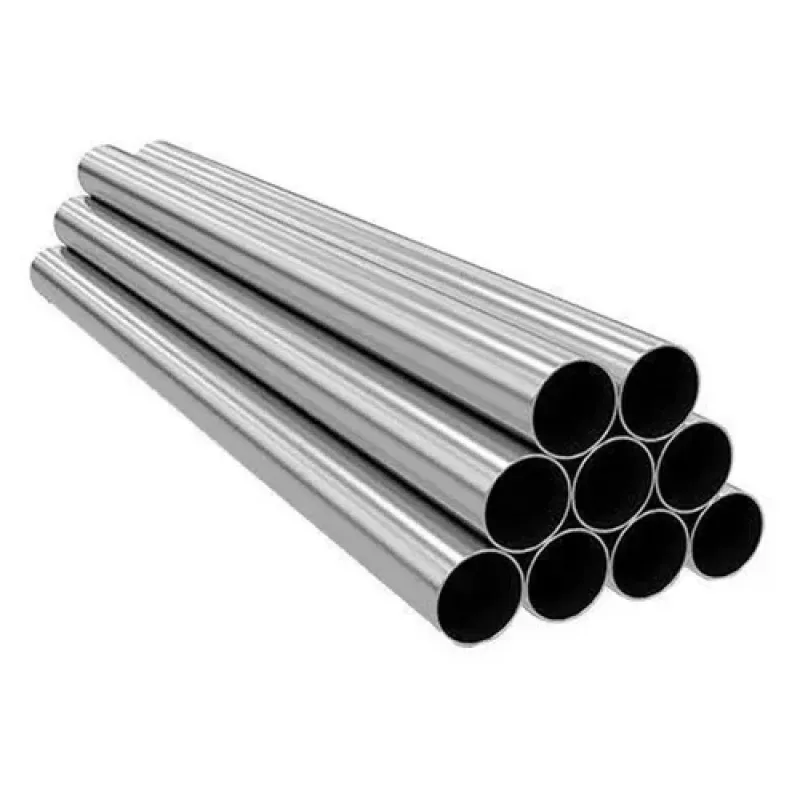
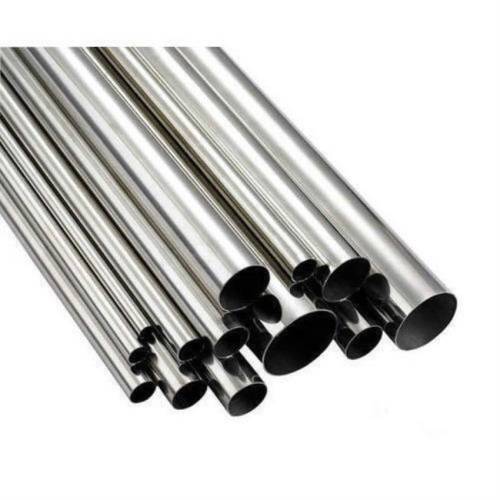
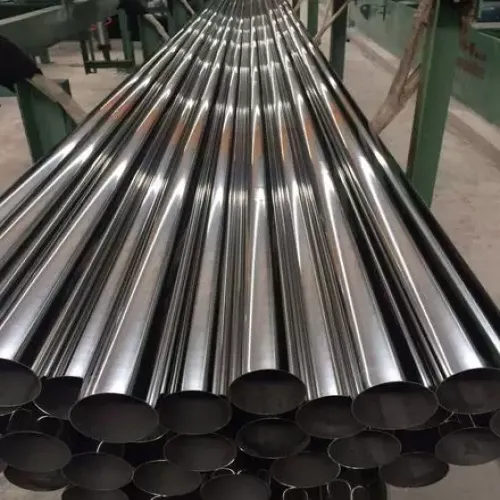
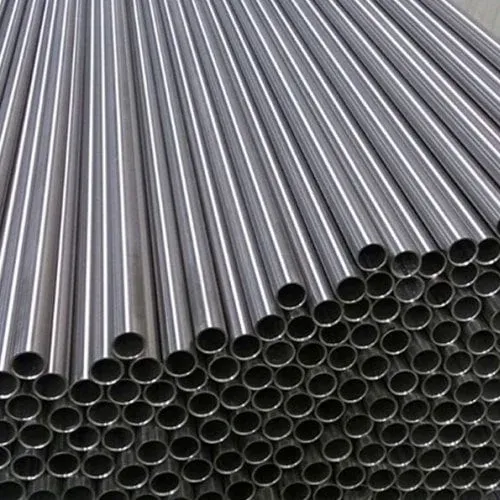
SS 310 Pipe

SS 310 Pipe Supplier in Ghana Since 1962

Sidhgiri Overseas stands as a trusted authority for critical industrial projects requiring high-performance piping solutions. In the case of high-pressure fluid lines, bespoke exhaust sections, or large structural fluid components, operations must rely on trusted professionals in the field of metallurgy. Industrial projects use material networks to find components with absolute dimensional accuracy, verifiable heat tracking, and outstanding structural stability. The best manufacturing plants ensure that pipelines are not subject to critical material failures, vibration stresses, and physical forces that apply to a manufacturing area in Ghana and neighboring {local_hubs} manufacturing areas.

The difficulty in selecting the ultimate metallurgical structure is to consider carefully any special chemical additions, as well as the high-grade chromium-nickel density necessary to compensate for any thermal degradation that may occur after a certain period of time in very hot industrial, processing, and ultra-high heat environments. As one of the Leading Stainless Steel 310 Pipe Suppliers in Ghana, we ensure these strict metallurgical standards are met for every high-temperature application.

Top Production Infrastructure

Sidhgiri Overseas has been a leading worldwide supplier of fully traceable and mill-certified industrial/heat-resistant/high-temperature versions of stainless steel (SS) 310 piping. Sidhgiri Overseas' distribution network is quality-controlled, offering extremely customized configurations that are guaranteed for the most challenging furnace, chemical processing, and thermal environments.

Stainless Steel 310 Pipes: A Clear Explanation

Stainless Steel 310 Pipe Is a Steel Pipe Grade That Is Commonly Used in a Wide Variety of Applications

Stainless steel 310 pipes are medium-carbon austenitic stainless steel pipes, which are highly alloyed and developed for long-lasting duties at extremely high temperatures. The high amount of chromium (24% to 26%) and nickel (19% to 22%) makes SS 310 one of the best grades of stainless steel to use as a refractory. This outstanding family of high alloy materials allows the pipeline system to withstand continuous oxidation and maintain high mechanical properties in a dry air atmosphere up to 1150°C (2100°F). SS 310 pipes are the standard material for the interior components of furnaces and radiant loops and high-temperature processing lines to provide maximum thermal protection.

The most distinguishing feature of stainless steel is its chemical composition, which has to include a minimum of 10.5% chromium.

Oxidation Shield: Chromium has a thin passive layer of chromium oxide that forms spontaneously on the surface of the metal in the presence of the surrounding air. This barrier blocks moisture and corrosive agents from oxidizing the underlying iron matrix.

Self-Healing Capabilities: If the pipe 310 has been cut, scraped, or subjected to extreme friction in its manufacture, this protective film can reform itself in the presence of oxygen, thus forming a protective layer over the structure and giving the pipe a clean metallic appearance.

The Use of a Clear Explanation of Different Structural and Functional Benefits

It has been over a hundred years since the invention of stainless steel, and it has been the most widely used and popular material in the world. Chromium content gives it resistance against corrosion. Resistance can be shown in the reduction of acids as well as against pitting attacks in chloride solutions. Requires little maintenance and has a familiar, great, and fine shine; it's a great material for stainless steel 310 pipes.

The type of stainless steel 310 pipe is available, including seamless drawn channel and longitudinally welded channel. The choice of the ideal piping framework for each application is entirely dependent on the matching of the chemical composition, manufacturing standard, surface finish, and structural load needed for the operating environment.

Advantages of SS 310 in Extreme Heat Applications

Lower grade heat-resistant steels (e.g., SS 321) are used to resist moderately high temperatures but become structurally weak and lose their scale and begin to rapidly oxidize when temperatures are pushed beyond 850°C, at which point SS 310 surpasses its heat-resisting capability due to its higher alloying and density of material.

High Scaling Resistance: The extremely high content of chromium (24%-26%) results in a dense and extremely stable chromium oxide surface barrier that makes it impossible to scale and oxidize continuously at near melting temperatures.

Severe Thermal Cycling Resistance: High nickel content makes the protective oxide scale tenaciously adhere to the steel body and not crack or flake off from the steel body due to repeated rapid heating and cooling.

High-Temperature Creep Strength: Standard SS 310 exhibits high tensile and creep/rupture strengths at high temperatures when low-carbon alloys will weaken under high thermal stress.

Stainless Steel 310 Pipe Types – Based on Surface Finishes & Grades

The chemical composition and surface profile of steel overall have a great influence on end-products' mechanical properties and application areas. As a large number of pipes are used in severe high-temperature utilities, their surface finish and specific subgrade selection determine the configuration, as the rest of the 310 pipes are used as basic architectural framing.

No. 1 / Mill Finish (Hot-Rolled): A raw surface that is dull, matte, and grey. Conventional for concealed radiant tubes, muffle furnaces, retorts, and weighty oil refinery skeletons.

Cold-Rolled 2B Finish: Smooth and uniform metallic luster, which is typically used on chemical processing loops, boiler lines, and heat exchanger tubes.

Satin / Brushed Finish (#4 / Grit 240/320): Matt, but not dull, lines in a single direction. It is used primarily in locations where a piping system needs to be visible and pipes must be clean, uniform, and presentable.

Alloy Variant Optimisation

Standard SS 310: Balanced composition that contains a max. 0.25% carbon for structural strength at elevated temperatures.

SS 310S (Low-Carbon): Designed to use low carbon content (max. 0.08%) for preventing carbide precipitation and intergranular corrosion in heavy-field welding applications.

For continuous ultra-high heat use, SS 310H (high carbon) has a carbon level of 0.04% - 0.10% and is specified for high creep strength.

International Standards Grades Framework

DIN 1.4841 / EN X15CrNiSi25-21 / ASTM A312 Grade MT310: Standard grade, superior high-temperature oxidation resistance

DIN 1.4845 / EN X8CrNi25-21 / ASTM A312 Grade MT310S: Low-carbon variant for prevention of weld precipitation

DIN 1.4541 / EN X6CrNiTi18-10 / ASTM A312 Grade MT321: Alternative that must only be used for medium-temperature heat (up to 850°C) and is stabilized with titanium.

DIN 1.4404 / EN X2CrNiMo17-13-2 / ASTM A312 Grade MT316L: Molybdenum grade – enhanced for marine/chloride pitting resistance.

DIN 1.4301—EN X5CrNi18-10 / ASTM A312 Grade MT304: General purpose grade for low temperature and low corrosion applications.

By Size Configurations & Manufacturing Process, Different Types

It is common knowledge that industry and standards go hand-in-hand, and that couldn't be more true. Differences in various organizational standards for a wide variety of application ranges can cause manufacturing and testing results to differ. Marked pipes are sized by their Nominal Bore (NB) sizing or by their Outer Diameter (OD) and adhering schedules, ranging from high-pressure seamless and/or economical welded fabrications.

Common Size Classifications

Small Profiles (1/8" to 1" NB / 15.88 mm to 33.7 mm OD): Used with thin walls (Schedule 5S/10S) for use in thermocouple protection sheaths, burner instrumentation loops, gas sampling lines, and high heat laboratory lines.

Medium Framework (1.25" to 4" NB / 42.4 mm to 114.3 mm OD): Used in combination with Schedule 40S walls for flare stacks, conveyor roll pipe in heat-treatment ovens, radiant lines, and municipal incinerator piping.

Heavy Structural & Transmission (6" to 48" NB / 168.3 mm to 1219 mm OD): Has thick walls (Schedule 80S to Schedule 160). It can be used as heavy-pressure tubes in catalytic recovery systems, fluidized bed combustors, pulverized coal burners, and crude oil heaters.

Different Types of Stainless Steel 310 Pipes Based on Application Areas

Furnace Components & Kiln Assemblies: Radiant tubes, muffle furnaces, retorts, carbonizing boxes, and structural conveyor belts used in continuous operation in heavy heat-treatment furnaces.

Petrochemical Processing & Oil Refining: Catalytic recovery systems, flare stacks, high-temperature crude oil heaters, and tube hangers.

Power Generation Facilities: Fluidized bed combustors, pulverized coal burner arrays, and superheater high-temperature steam boiler tubes.

Thermonuclear Processing Systems: Exposure of advanced heat exchangers, piping manifolds, and heavy structural internals to continuous severe thermal loads.

Environmental Control & Incineration: Municipal solid waste incinerator piping systems & high-utility thermocouple protection sheaths.

Stainless Steel 310 Pipes Technical Specifications:

Stainless steel 310 pipes for industrial usage are intended to follow close tolerances for the nominal bore, chemical specifications, and global pressure schedules, ensuring absolute use insurance.

Technical Metric & Available Operational Options Technical Capabilities & Operational Options

Pipe Sizing (OD / NB): 1/8 inch up to 48 inches Nominal Bore (15.88mm, 21.3mm, 26.9mm, 33.7mm, 42.4mm, 48.3mm, 60.3mm, etc.). Normalizes pipe profiles of compact thermocouple tracks to large-volume furnace piping loops.

Wall Thickness / Schedule: Schedule 5S, 10S, 20S, 40S, 80S, and up to Schedule 160 variants. Wall mass controls are used for high internal pressures, aggressive flue gases, and heavy dead-load structural variables.

Material Grade: SS 310 (Standard Refractory), SS 310S (Low Carbon), SS 310H, SS 321, and SS 316. Uses a significant amount of 20% nickel and 25% chromium to provide high oxidation resistance up to 1150°C.

Pipe & Form Type: Seamless drawn billet / welded seam RHS / ERW pipe. Uses seamless blocks for high-pressure thermal containment or welded blocks for furnace structures.

Surface Finish: No. 1 Mill Finish / 2B Cold-Rolled / Satin / Brushed (#4). High-use heat lines are treated with matte gray industrial finishes, and structural elements receive 2B or mill texture finishes.

Available in lengths: 3 m, 4 m, 5.8 m, 6 m, random lengths, and custom-cut profiles. Pre-cut and continuous mills with matching spatial layout parameters, kiln engineering designs, and international shipping constraints.

Mechanical Performance: Min. Yield Strength: 205 MPa | Min. Tensile Strength: 515 MPa. Tested metallurgical properties for outstanding creep resistance at high temperatures, ductility, and resistance to scaling.

Chemical Composition Breakdown

Chromium (Cr): 24.00% – 26.00%. Offers a high level of oxidation and scaling protection at high temperatures (up to 1150°C).

Nickel (Ni): 19.00% – 22.00%. Helps to hold austenitic structure and provides high-temperature toughness and resistance to scale flaking.

Silicon (Si): 1.50% max. Provides significant improvement in resistance to high-temperature carburization and absorption.

Manganese (Mn): 2.00% max. Helps to deoxidize during production and enhances the internal tensile strength.

Carbon (C): 0.25% max (Std) / 0.08% max (310S). The higher the carbon level, the stronger the material will be, and the lower the carbon level, the more weldable the material will be.

Stainless Steel Suppliers & Sourcing Metrics

For structural piping or high-temperature refractory hollow channels, it is required to clarify the supplier based on the pricing level, certification for operation of the system, and proximity to regional commercial areas.

Tiered Cost Structures: The piping configurations are scaled according to the total nickel concentration, chromium density, and overall thickness range (below ₹200, ₹201 - ₹250, ₹251 - ₹400, and heavy industrial / performance options above ₹401 per kg).

Corporate Compliance Filters: In the case of a major project, which is government-funded, mechanical works, or energy projects, the best of the best entities with an annual turnover of ₹ 5 Cr+ and continuous registration of GST for 3+ years are only allowed to be partners to ensure material traceability.

Localized Logistics Networks: Project managers have access to specialized supplier networks in the region—such as in Ghana—which enable them to benefit from agile transport solutions and reduce the distance and time to local construction projects and neighboring {local_hubs} manufacturing locations.

Top Stainless Steel 310 Pipe Suppliers in Ghana

Special export routes shall have to be kept to continue with manufacturing, energy generation, car manufacturing, and chemical processing industries with cross-border industrial logistics.

Sidhgiri Overseas is a prime Stainless Steel 310 Pipe Suppliers in Ghana with the capability to access global logistics and provide high-performance, quality welded seamless Stainless Steel 310 piping to processing plants and structural distribution centers throughout the world. Each batch of exports strictly meets international EN, DIN, ASME, and ASTM A312 standards, offering the best structural insurance around the world to all partnerss in areas like {local_hubs} supply networks.


Standard, 310S & 310H: Choosing the Right Variant

SS 310 is produced in three sub-variants, differentiated by carbon content, so the pipe can be matched to how it will actually be fabricated and operated rather than treated as a single one-size-fits-all specification.

Standard SS 310 runs up to 0.25% carbon and is the balanced, general-purpose version of the grade — specified when the priority is high-temperature structural strength across a broad range of furnace and thermal-processing applications, without a specific driver toward either heavy field welding or maximum sustained creep performance.

SS 310S is the low-carbon variant, capped at 0.08% carbon. It's the version to specify when a project involves significant field welding — the lower carbon content reduces the risk of carbide precipitation at the weld heat-affected zone, which otherwise can compromise corrosion resistance and long-term integrity right at the joint. Where fabrication involves extensive on-site welding of radiant tubes, ducting, or structural runs, 310S is generally the safer specification.

SS 310H is the high-carbon variant, held to a 0.04%-0.10% carbon range. This is the variant chosen for maximum creep strength in continuous ultra-high-heat service — applications where the pipe is under sustained load at extreme temperature for extended periods, such as boiler and process-heater components, and where resistance to slow, high-temperature deformation matters more than weldability.

In practice, the choice comes down to the fabrication method and the operating regime: standard SS 310 for general high-heat structural use, 310S where heavy welding is involved, and 310H where sustained creep resistance at the very top of the temperature range is the governing requirement.

Chemistry, Mechanical Properties & Standards

SS 310 pipe is supplied to the following chemical composition, with the standard and 310S carbon limits shown separately:

Chromium (Cr)

24.00% - 26.00%

Primary oxidation and scaling defense, effective to ~1,150°C

Nickel (Ni)

19.00% - 22.00%

Stabilizes the austenitic structure and prevents scale flaking under thermal cycling

Silicon (Si)

1.50% max

Improves resistance to high-temperature carburization

Manganese (Mn)

2.00% max

Standard alloying control element

Carbon (C)

0.25% max (standard) / 0.08% max (310S)

Governs weldability and carbide precipitation risk

Mechanical properties: minimum yield strength of 205 MPa and minimum tensile strength of 515 MPa.

Standard cross-reference (DIN / EN / ASTM A312 pipe grade):

1.4841

X15CrNiSi25-21

TP310 (standard)

1.4845

X8CrNi25-21

TP310S (low-carbon)

Every SS 310 pipe order from Siddhgiri Overseas is accompanied by a Mill Test Certificate (MTC) recording the heat's actual chemical composition and mechanical test results, with dimensional checks carried out before dispatch.

Sizes & Applications

SS 310 pipe is manufactured across three size ranges, each aligned to a distinct category of high-temperature application:

Small profiles (1/8"-1" NB, 15.88-33.7mm OD, Sch 5S/10S) are used where the pipe itself functions as instrumentation or a protective sheath rather than a structural conduit — thermocouple protection sheaths, burner instrumentation lines, and gas sampling lines that sit directly in or near the hot zone.

Medium profiles (1.25"-4" NB, 42.4-114.3mm OD, Sch 40S) cover applications such as flare stacks, heat-treatment oven conveyor pipe, and radiant lines — settings where the pipe carries process flow or forms conveying/radiant elements under continuous elevated temperature.

Heavy profiles (6"-48" NB, 168.3-1219mm OD, Sch 80S-160) are specified for large-scale, high-load thermal equipment: catalytic recovery systems, fluidized bed combustors, and pulverized coal burners, where both wall thickness and diameter need to support sustained mechanical and thermal load.

Typical applications for SS 310 pipe include:

  • Furnace components and kiln assemblies — radiant tubes, muffle furnaces, retorts
  • Petrochemical processing and oil refining — catalytic recovery systems, flare stacks, crude oil heaters
  • Power generation — fluidized bed combustors, coal burner arrays, superheater boiler tubes
  • Heavy industrial heat exchangers and structural internals exposed to continuous severe thermal load
  • Environmental control — incinerator piping, thermocouple sheaths

Certifications

Siddhgiri Overseas is ISO certified for quality, occupational health & safety and environment management, and holds the import and export certification required to supply stainless steel pipe and tube to customers worldwide. Certificate copies are available on request for buyers who need them for their own compliance records.

Why Choose Us?

Choosing Sidhgiri Overseas as your main supply partner is your long-term operational defense if your organization is involved in the management of heavy infrastructure construction, furnace manufacturing, transportation of high-temperature chemical fluids, or high-demand power generation platforms. We make every effort to achieve the highest standards in each of our outputs:

Complete Material Traceability: Sidhgiri Overseas ensures that each bundle of material shipped has complete and accurate material test certificates verifying all chemical compositions through the melt stage level.

Guaranteed High-Alloy Density: Strictly controlled to maintain 24% to 26% chromium and 19% to 22% nickel to assure true defense against continuous oxidation up to 1150°C.

Precision Carbon Grade Matching: Providing the same variant of standard 310 or low-carbon 310S or high-carbon 310H for exact matching to your welding requirements and creep strength needs.

Absolute Dimensional Accuracy: Highly advanced drawing, roll-forming, and sizing equipment guarantee compliance even in the outer dimensions, in the thickness boundaries, and across the concentricity of the interior.

Excellent Mechanical Weldability: Each pipe section ensures clean and uniform edges for welding, reducing stress from the heat-affected zone in field welding.

Wide Variety of Stocking Options: Compact thin-wall sizes to industrial schedules in a variety of shapes, forms, and finishes.

Vetted Commercial Integrity: Sidhgiri Overseas works with extensive manufacturing quantities, tiered invoicing systems, and verified conformance mechanisms, making substantial enterprise contracts easy to handle.

Talk to Our Engineering Staff Today!

Want to get the best 310 heat-resistant pipe structure or pipe sections for your next project? The Sidhgiri technical distribution team is ready to assist you to satisfy your mechanical requirement by matching the best grade, finish, and wall thickness combination of alloys. Get detailed and itemized quotes, see certified mill reports, or guarantee direct shipping for bulk orders from our supply specialists today. Equip your operations with Sidhgiri Overseas' precision-engineered metallurgy, providing structural security.

(FAQs)

1. High-Temperature Metallurgy & Alloy Variants

Q: What makes Stainless Steel 310 pipes uniquely qualified for ultra-high heat applications compared to lower grades?

A: Unlike lower-grade heat-resistant steels (such as Grade 321) which structurally weaken, scale, and rapidly oxidize above 850°C, Grade 310 is a highly alloyed refractory austenitic stainless steel. Packed with 24% to 26% chromium and 19% to 22% nickel, it maintains outstanding mechanical properties and resists continuous oxidation in dry air atmospheres up to 1150°C (2100°F).

Q: How does Grade 310 maintain structural integrity during severe thermal cycling?

A: High-temperature cycling introduces the risk of protective oxide scales cracking or flaking off due to rapid expansion and contraction. The exceptionally high nickel content in SS 310 ensures that the dense chromium oxide surface barrier tenaciously adheres to the steel body, resisting thermal shock and preventing progressive scaling near melting temperatures.

Q: How do the carbon variants (Standard, 310S, and 310H) alter mechanical behavior?

A: Sizing and composition are optimized across three distinct subgrades based on operational stress:

Standard SS 310: Contains a maximum of 0.25% carbon, offering a balanced profile for general high-temperature structural strength.

SS 310S (Low-Carbon): Restricts carbon to a maximum of 0.08%. This prevents carbide precipitation during heavy field welding, neutralizing the risk of intergranular corrosion in the heat-affected zone.

SS 310H (High-Carbon): Features a tightly controlled carbon range of 0.04% to 0.10%, specifically engineered to maximize high-temperature tensile and creep/rupture strength during continuous ultra-high heat exposure.

2. Sizing, Surface Finishes, & Application Frameworks

Q: Which surface finish should be selected for visible piping systems versus internal furnace components?

A: Surface finishes dictate the functional environment of the pipe:

No. 1 / Mill Finish (Hot-Rolled): A raw, dull, matte grey profile. It is the default choice for hidden, heavy-duty structural skeletons, radiant tubes, and retorts.

Cold-Rolled 2B Finish: Provides a smooth, uniform metallic luster ideal for heat exchanger tubes and chemical processing loops.

Satin / Brushed Finish (#4 / Grit 240/320): Offers clean, unidirectional grain lines. This finish is reserved for exposed piping networks that require a presentable, uniform appearance, whereas mirror polishing is avoided due to the alloy's high-alloy density.

Q: What are the standard size classifications for industrial SS 310 piping networks?

A: Deliveries are structured across three primary application tiers spanning 1/8 inch to 48 inches Nominal Bore (NB):

Profile TierSize Range (NB / OD)Common Wall SchedulesPrimary Applications
Small Profiles1/8" to 1" NB (15.88 to 33.7 mm OD)Sch 5S / 10S (Thin wall)Thermocouple protection sheaths, burner loops, gas sampling lines.
Medium Framework1.25" to 4" NB (42.4 to 114.3 mm OD)Sch 40SFlare stacks, radiant lines, conveyor rolls in heat-treatment ovens.
Heavy Structural6" to 48" NB (168.3 to 1219 mm OD)Sch 80S to Sch 160 (Thick wall)Fluidized bed combustors, catalytic recovery units, crude oil heaters.

3. Sourcing Logistics & Corporate Compliance

Q: What international standards guarantee the quality of these high-temperature pipes?

A: Every production batch must conform strictly to global pressure vessel and piping standards. The standard refractory grade adheres to ASTM A312 Grade MT310 (and its European counterparts DIN 1.4841 / EN X15CrNiSi25-21), while the low-carbon variant maps to ASTM A312 Grade MT310S (DIN 1.4845 / EN X8CrNi25-21), ensuring complete structural insurance.

Q: What compliance metrics do project managers use to evaluate SS 310 pipe suppliers?

A: Critical infrastructure, energy, and government-funded projects enforce tight procurement filters. To guarantee full material traceability and structural security, partner entities must maintain an annual corporate turnover exceeding ₹5 Cr along with a continuous GST registration history of 3+ years. Furthermore, components must be backed by certified mill test reports tracking chemical composition through to the melt stage level. Sourcing through localized logistics hubs ensures agile transport networks, minimizing transit lead times for regional production facilities and adjacent manufacturing networks.

Related Categories

FAQs

Frequently Asked Questions About SS 310 Pipe

SS 310 pipe resists oxidation and holds mechanical strength in dry air up to approximately 1,150°C (2,100°F), making it one of the standard refractory-grade stainless steels for continuous high-temperature service.

They differ by carbon content and intended use: standard SS 310 (up to 0.25% carbon) is the balanced general-purpose grade, SS 310S (max 0.08% carbon) is the low-carbon variant chosen when heavy field welding is involved to avoid carbide precipitation, and SS 310H (0.04%-0.10% carbon) is selected for maximum creep strength in continuous ultra-high-heat service.

SS 321 uses titanium stabilization and handles moderately high heat up to about 850°C, but becomes structurally vulnerable and oxidizes rapidly beyond that point. SS 310's much higher chromium and nickel content produces a denser, more stable oxide scale that resists cracking and flaking through severe thermal cycling, along with higher creep and rupture strength at sustained extreme heat — the range where SS 321 is no longer a reliable choice.

Not typically. SS 310's high chromium and nickel content is engineered for continuous extreme-heat service, and that alloy content is what the grade is chosen for. For moderate-temperature applications, a lower-alloyed grade is generally the more appropriate specification, with SS 310 reserved for projects where sustained extreme heat is the actual operating condition.

Yes, though carbon content matters. Standard SS 310, at up to 0.25% carbon, carries a higher risk of carbide precipitation in the weld heat-affected zone during heavy field welding. SS 310S, with a maximum of 0.08% carbon, is specifically the low-carbon variant chosen for projects involving significant on-site welding.

SS 310 pipe is used across furnace and kiln assemblies (radiant tubes, muffle furnaces, retorts), petrochemical and refining equipment (catalytic recovery systems, flare stacks, crude oil heaters), power generation components (fluidized bed combustors, coal burner arrays, superheater boiler tubes), and environmental control systems such as incinerator piping and thermocouple sheaths.

SS 310 corresponds to DIN 1.4841 / EN X15CrNiSi25-21 / ASTM A312 TP310 for the standard grade, and DIN 1.4845 / EN X8CrNi25-21 / ASTM A312 TP310S for the low-carbon variant.

Clients

Our Partners

Tata Power
Shell Global Solutions
ONGC
NRL
NTPC
NIOC
HP
JSL
Godrej
Bhel
Inoxium Tubi
24/7 we are here
Your Partner in Industrial Growth, Let’s get started today!