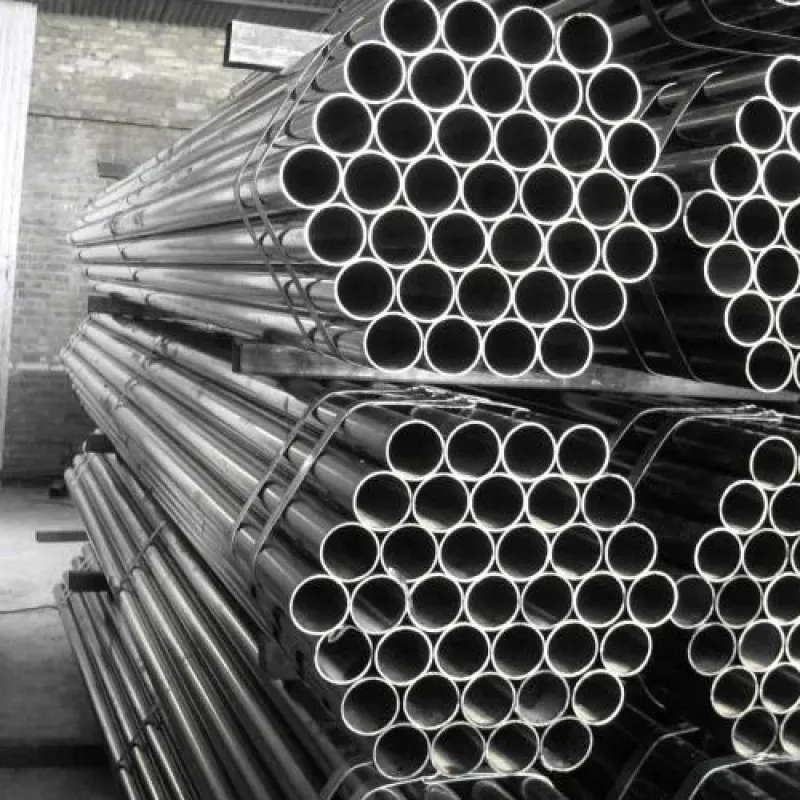
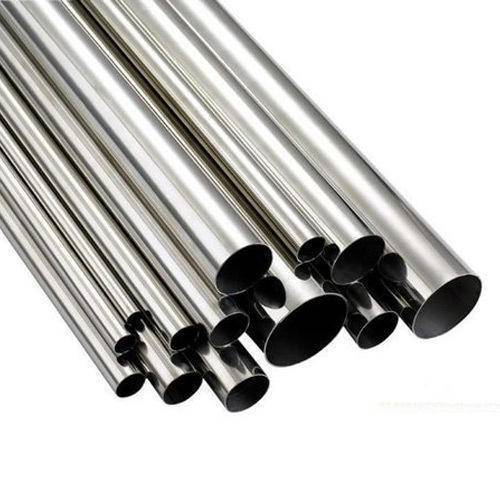
Stainless steel tubes are some of the most versatile engineering materials employed in many different industries for their strength, corrosion-resistant properties, durability, and dimensional accuracy. Stainless steel tubing is found in a wide variety of industrial applications, such as automotive, food processing, pharmaceuticals, petrochemicals, medical equipment, construction, and infrastructure. Unlike regular pipes, the tubes are fabricated with very precise outer diameter (OD) tolerances and wall thickness tolerances and used for structural applications, precision engineering, instrumentation, and high-performance fluid transport systems around {local_hubs} manufacturing industries in Egypt industrial areas.
Sidhgiri Overseas is one of the trusted, best Stainless Steel Tube Suppliers in Egypt, striving to offer top-quality tubes that comply with international quality standards. We currently offer a wide range of seamless, welded, round, square, rectangular, and customised stainless steel tubing, produced using advanced production technology with rigorous quality control. All products offer excellent mechanical properties, excellent corrosion resistance, excellent durability, and consistent performance in the toughest applications.
Stainless steel tubing is a precision-engineered hollow metal product that is meant to offer the finest strength, corrosion resistance, and durability. In contrast to regular steel goods, stainless steel incorporates chromium that develops a defensive layer of oxide on its surface, which inhibits rust, oxidation, and deterioration by chemical reactions. This is a special feature of stainless steel tubes, which can operate efficiently in various moisture, chemical, high-temperature, and high-pressure environments.
Stainless steel tubing is the engineer's, architect's, OEM manufacturer's, fabricator's, and industrial contractor's tubing of choice worldwide because of its exceptional characteristics.
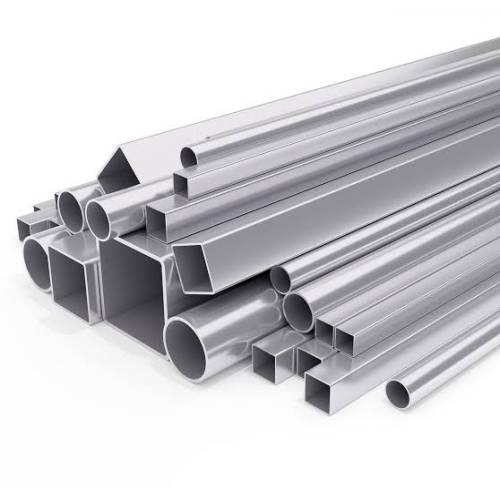
Stainless steel tubing is available in a number of hollow shapes, such as round, square, and rectangular cross-sections. These are applied specifically for precision dimensions, corrosion resistance, mechanical strength, structural, mechanical, architectural, sanitary, and industrial purposes.
There are two types of stainless steel tubes: pipes, which are primarily used for conveying liquids and gases and measured by the inside diameter; and tubes, which are measured by outside diameter and wall thickness. The difference makes it possible to produce extremely accurate tubing that will be suited for engineering applications that require a tight tolerance. Modern applications and industries also come with different grades and finishes, cross-sectional shapes, and wall thicknesses of stainless steel tubing.
Though pipes and tubes may seem the same, they are made for completely different reasons:
Pipes: Mainly for transporting fluids, gases, steam, and chemicals. The size is based on the nominal pipe size (NPS) and the inside diameter needed to ensure a high flow capacity.
Tubes: Tube wall thickness and OD of stainless steel tubes are typically very accurate. They are widely employed in structural fabrications, automobiles, instrumentation, food processing machines, furniture manufacturing, and architecture with accuracy and aesthetics in mind. Besides this, tubes are available in various shapes – round, square, rectangular, oval, and custom – whereas the pipes are generally round in shape.
The different application of stainless steel tubing is primarily dependent on the stainless steel alloy used.
SS 304 Stainless Steel: The stainless steel grade 304 is one of the most commonly used stainless steel materials due to its superior corrosion resistance, weldability, formability, and cost-effectiveness. It is excellent for food processing, commercial kitchens, pharmaceutical equipment, architectural structures, furniture, and industrial fabrication.
SS 304L Stainless Steel: An austenitic, low-carbon version of grade 304 stainless steel. It provides enhanced weldability and helps reduce carbide precipitation during welding, resulting in its suitability for fabricated structures and welded assemblies.
SS 316 Stainless Steel: Molybdenum is added to grade 316 to enhance its resistance to corrosion in chlorides, acids, and marine environments. It is applied extensively in chemical processing plants, pharmaceutical industries, marine engineering, desalination plants, and offshore applications.
SS 316L Stainless Steel: Features a higher level of corrosion resistance and better weldability. It is often used in hygienic applications, medical devices, and industries where a high level of purity is required in process systems.
Duplex Stainless Steel: An alloy that has a combined ferritic and austenitic structure, providing a very high mechanical strength and excellent resistance to stress corrosion cracking. It is ideal for offshore oil and gas facilities, chemical processing plants, and high-pressure industrial systems.
High-level engineering, precise machines, and quality control are required to make a good-quality stainless steel tube.
Tube Forming: The raw materials are high-quality stainless steel coils or billets. These materials are then extruded in the form of a hollow tube; either a seamless extrusion or a welding process is used, depending on the product required. For welded tubing, the strips are slowly wound into a cylinder shape and welded using TIG, laser, or high-frequency welding processes.
Heat Treatment: The heat treatment helps to remove stresses that are created during the forming process of the tubes. The controlled annealing process not only makes the material more ductile and enhances the grain structure of the material but also excludes corrosion and guarantees dimensional stability.
Cleaning and Pickling: The surface contaminants, the oxidation layer, and welding scale are removed by chemically cleaning and pickling the stainless steel tubes after the annealing. This process gives the metal a clean metallic finish and enhances the resistance to corrosion.
Cold Drawing: Cold drawing can further improve the manufacturing tolerances, increase the mechanical properties, reduce the size, and improve the concentricity of the tubes. It also makes the internal and external surfaces smoother, which is suitable for precision engineering.
Precision straightening equipment gives a dimension uniformity along the tube length. Straightening and Finishing: Then, surface finishing processes such as polishing, buffing, satin finish, bright annealing, or mirror polishing are performed depending on the customer's requirements.
Full checks are carried out on every stainless steel tube before they are sent. Quality assurance processes involve:
The dimensional inspection and visual examination.
Hydrostatic pressure testing
The testing methods include Eddy current and ultrasonic testing.
Chemical composition analysis
All of these quality checks ensure that tubes meet the national and international standards.
The following are potential benefits of stainless steel tubing along with some industrial uses:
There are many key structural & operational benefits that require an understanding of the concept.
Very corrosion resistant, it is very durable even in harsh environments. Super strong and lightweight, which makes it easier to produce & install. Stainless steel tubing also has very high chemical and chemical corrosion resistance, moisture resistance, oxidation resistance, and resistance to high and low temperatures. It requires minimum maintenance, has very good hygienic features, and is applicable for the pharmaceutical, food processing, and medical industries. What's more, sustainability is another great advantage of stainless steel, as it is 100% recyclable and can be processed without harming the environment.
Construction & Infrastructure: Applied to construction works in structural frames, handrails, facades, and architectural and structural elements.
Automotive Engineering: The tubes used for precision are used by automotive companies in exhaust systems, chassis parts, fuel lines, and hydraulic systems.
Hygienic Processing: In the food and beverage industry, a range of food processing equipment, dairy plants, breweries, and beverage production lines relies on hygienic stainless steel. Steel. Steel tubing. Pharmaceutical companies use precision tubing in their production systems that demand a sterile environment and also in laboratory equipment.
Industries: In chemical industries, corrosion-resistant tubing is important for the transportation of corrosive chemicals, while high-strength stainless steel tubing is critical for offshore platforms, refineries, and pressure systems in oil and gas industries.
Medical Devices: Medical Device Manufacturers employ stainless steel tubing in a variety of applications, such as surgical instruments, diagnostic devices, implants, and hospital devices.
Heavy Industrial Systems: The durability, strength, and outstanding operational reliability are widely used in other industries, including power generation, marine engineering, aerospace, paper mills, water treatment plants, textile industries, and heavy engineering.
There are various grades, sizes, finishes, and manufacturing processes of stainless steel tubes available to meet the requirements of various industries. They have particular mechanical properties, corrosion resistance, accuracy, and lifespan.
Seamless Stainless Steel Tubes: They are seamless tubes with high structural integrity and uniform strength throughout the tube. Hot extrusion and cold drawing processes, combined with precision finishing, are used to manufacture these tubes. They are ideal for applications in high-pressure, high-temperature power plants; refineries; chemical processing plants; hydraulic systems; offshore facilities; boilers; and heat exchangers, among others, where they are subjected to harsh operating conditions.
Welded Stainless Steel Tubes: Made by rolling strips of stainless steel into cylindrical forms and welding them together using high-tech welding processes like TIG welding, laser welding, or high-frequency welding. The dimensional accuracy, smooth surface, and mechanical properties of modern welding technology are excellent. Welded tubes can be used for constructions, furniture manufacturing, food processing equipment, vehicle constructions, decorative uses, and structures where moderate pressure handling is required.
304 Stainless Steel Tubes: One of the most popular stainless steel tubes used around the world. They exhibit very good corrosion resistance, strength, good weldability, and ease of fabrication. They are used in many applications, including food processing plants, commercial kitchens, dairy factories, the pharmaceutical industry, architecture, water treatment plants, and general fabrication operations.
316 Stainless Steel Tubes: are molybdenum-containing and super corrosion-resistant to chlorides, saltwater, acidic environments, and aggressive chemicals. Such tubes are specifically designed for use in environments that are very corrosive, including in marine engineering. offshore platforms, desalination facilities, chemical processing industries, and laboratory installations.
Square & Rectangular Stainless Steel Tubes: They are generally used in structural production and architecture. As they are very light, have a great strength-to-weight ratio, are modern in appearance, and are easy to make, they are widely utilised in commercial buildings, industrial buildings, furniture, railings, gates, bridges, warehouses, transportation, and heavy engineering.
Corrugated Stainless Steel Tubes: Flexible corrugated tubes that can be easily installed around obstacles and confined areas. They are extensively used in gas distribution, HVAC systems, gas pipelines for residential homes, commercial buildings, industrial utility facilities, etc., reducing the number of fittings to be used and reducing the time needed for gas pipeline installation.
Hypodermic Stainless Steel Tubes: Made to very close tolerances for medical or laboratory use. These precision tubes are used in syringes, surgical instruments, catheters, laboratory and analytical instruments, aerospace technology, and precision dispensing systems.

Producing a stainless steel tube to precise dimensional and mechanical specification involves several controlled stages, from forming through to final inspection.
Production starts from stainless steel coils or billets. Seamless tube is formed by hot extrusion followed by cold drawing to bring it to final dimension. Welded tube is formed by rolling stainless steel strip into a cylindrical shape and joining the seam using TIG welding, laser welding or high-frequency welding, depending on the grade and wall thickness required.
After forming, the tube is annealed under controlled conditions to relieve the internal stresses introduced during forming and welding. Annealing improves ductility, refines the grain structure, and helps restore the material's corrosion resistance and dimensional stability.
Annealed tubes are chemically cleaned and pickled to remove surface oxidation, welding scale and other contaminants, leaving a clean metallic surface that supports better long-term corrosion resistance.
Cold drawing tightens dimensional tolerances further, improves mechanical strength, refines OD and wall thickness, and improves concentricity, while producing a smoother internal and external surface suited to precision engineering applications.
Precision straightening equipment ensures dimensional uniformity along the full length of the tube. Surface finishing is then applied to the customer's requirement — bright annealed, mirror polish, matte, satin, or pickled finish.
Every tube is checked before dispatch. Testing includes:
|
Sized by |
Outside diameter (OD) & wall thickness |
Inside diameter / NPS & schedule |
|
Primary purpose |
Structural, mechanical, precision engineering |
Conveyance of fluids, gases, steam, chemicals |
|
Dimensional tolerance |
Tighter OD tolerance |
Tolerance geared to flow capacity |
|
Cross-section |
Round, square, rectangular, oval, custom |
Round |
|
Typical use |
Instrumentation, heat exchangers, automotive, furniture, architecture |
Piping systems, process lines, utilities |
"Pipe" and "tube" are often used interchangeably, but they are engineered for different jobs and dimensioned in different ways.
Pipe is sized around its inside diameter — specified by Nominal Pipe Size (NPS) and schedule — because its primary function is carrying liquids, gases, steam or chemicals, where flow capacity is what matters. Tube, by contrast, is sized around its outside diameter and wall thickness, because its primary function is structural and mechanical: fitting precisely into an assembly, a fixture, or another component, or performing under load, pressure or heat transfer where exact geometry matters more than bore capacity.
This difference in purpose carries through to manufacturing tolerance and finish. Tube is generally held to a narrower OD tolerance and produced with a smoother internal and external surface than pipe, since it is often used in precision engineering, automotive parts, medical devices and heat exchangers rather than open fluid conveyance. Tube is also available in a wider range of cross-sectional shapes — round, square, rectangular, oval and custom profiles — while pipe is almost always round.
|
Sized by |
Outside diameter (OD) & wall thickness |
Inside diameter / NPS & schedule |
|
Primary purpose |
Structural, mechanical, precision engineering |
Conveyance of fluids, gases, steam, chemicals |
|
Dimensional tolerance |
Tighter OD tolerance |
Tolerance geared to flow capacity |
|
Cross-section |
Round, square, rectangular, oval, custom |
Round |
|
Typical use |
Instrumentation, heat exchangers, automotive, furniture, architecture |
Piping systems, process lines, utilities |
Stainless steel tube performance is driven mainly by the alloy grade selected. Siddhgiri Overseas manufactures tube across the following grades — see Tube Grades for full detail on each.
SS 304
The most widely used stainless steel grade, valued for its corrosion resistance, weldability and formability. Suited to food processing, commercial kitchens, pharmaceutical equipment, architectural work and general industrial fabrication.
SS 304L
A low-carbon version of 304 that reduces carbide precipitation during welding, giving it better weldability for fabricated structures and welded assemblies.
SS 316
Contains added molybdenum for stronger resistance to chlorides, acids and marine environments. Used in chemical processing, pharmaceutical manufacturing, marine engineering, desalination and offshore applications.
SS 316L
The low-carbon version of 316, offering enhanced corrosion resistance and weldability, and commonly specified for hygienic applications, medical devices and high-purity process systems.
Duplex Stainless Steel
A dual ferritic-austenitic structure that gives high mechanical strength and strong resistance to stress corrosion cracking, used in offshore oil and gas facilities, chemical plants and high-pressure industrial systems.
Tube Types
|
Sized by |
Outside diameter (OD) & wall thickness |
Inside diameter / NPS & schedule |
|
Primary purpose |
Structural, mechanical, precision engineering |
Conveyance of fluids, gases, steam, chemicals |
|
Dimensional tolerance |
Tighter OD tolerance |
Tolerance geared to flow capacity |
|
Cross-section |
Round, square, rectangular, oval, custom |
Round |
|
Typical use |
Instrumentation, heat exchangers, automotive, furniture, architecture |
Piping systems, process lines, utilities |
Stainless steel tube from Siddhgiri Overseas is manufactured to recognised international standards and tested before dispatch to confirm it meets them.
|
Material Grades |
SS 304, SS 304L, SS 316, SS 316L, Duplex Stainless Steel |
|
Manufacturing Type |
Seamless & Welded |
|
Tube Shapes |
Round, Square, Rectangular, Custom Profiles |
|
Outside Diameter & Wall Thickness |
As per customer requirement |
|
Length |
Standard & customised lengths |
|
Surface Finish |
Bright Annealed, Mirror Polish, Matte, Satin, Pickled |
|
Manufacturing Standards |
ASTM, ASME, DIN, EN, JIS |
|
Fabrication |
Suitable for welding, cutting and bending |
|
Quality Testing |
Hydro Test, PMI Test, Eddy Current Test, Ultrasonic Test, Visual Inspection, Dimensional Inspection |
Industries We Serve
|
Sized by |
Outside diameter (OD) & wall thickness |
Inside diameter / NPS & schedule |
|
Primary purpose |
Structural, mechanical, precision engineering |
Conveyance of fluids, gases, steam, chemicals |
|
Dimensional tolerance |
Tighter OD tolerance |
Tolerance geared to flow capacity |
|
Cross-section |
Round, square, rectangular, oval, custom |
Round |
|
Typical use |
Instrumentation, heat exchangers, automotive, furniture, architecture |
Piping systems, process lines, utilities |
Siddhgiri Overseas is ISO certified for quality, occupational health & safety and environment management, and holds the import and export certification required to supply stainless steel pipe and tube to customers worldwide. Certificate copies are available on request for buyers who need them for their own compliance records.
Tubes of premium quality made according to international quality standards.
Many different options are offered in a range of grades, sizes, shapes, and finishes (bright annealed, mirror polished, matte, satin, and pickled).
The state-of-the-art manufacturing technology ensures precision, proper wall thickness, and absolute quality.
Comprehensive testing prior to dispatch and strict quality control.
Excellent corrosion-resistant properties and long service life in harsh industrial environments.
Customised solutions provided based on the project requirements.
Fair price, on-time delivery (domestic & overseas).
Full technical support and client-orientated services for complete satisfaction.
Whether it is tubes for high-pressure industrial applications or welded stainless steel tubes for structural and commercial projects, Sidhgiri Overseas is your manufacturer and supplier of confidence. We are renowned for delivering the highest quality products across a wide range of industries at competitive prices and on time. Contact our team today to discuss what you are looking for and how we can assist you in providing high-performance stainless steel tubing solutions for the highest quality, durability, and reliability.
1. What is the difference between a stainless steel pipe and a stainless steel tube?
While they look similar, they serve entirely different purposes and are measured differently:
Tubes: Fabricated with highly precise outside diameter (OD) and wall thickness tolerances. They are used for structural fabrications, precision engineering, instrumentation, and automotive applications where accuracy and aesthetics matter. Tubes come in various shapes (round, square, rectangular, oval).
Pipes: Used primarily to transport fluids, gases, steam, and chemicals. Their size is designated by Nominal Pipe Size (NPS) and is based on the inside diameter (ID) to ensure high flow capacity. Pipes are generally round.
SS 304 / 304L: This is the most widely used grade due to its excellent strength, weldability, and cost-effectiveness. It is ideal for food processing, commercial kitchens, pharmaceutical equipment, and general structural fabrication.
SS 316 / 316L: This grade contains added molybdenum, which significantly enhances its resistance to chlorides, acids, saltwater, and harsh chemicals. Choose SS 316 for marine engineering, offshore platforms, desalination plants, and highly corrosive chemical processing environments.
Seamless tubes feature high structural integrity and uniform strength throughout the tube because they are manufactured via hot extrusion and cold drawing rather than welding. This makes them ideal for high-pressure and high-temperature environments—such as refineries, boilers, heat exchangers, and hydraulic systems—where the tube must endure harsh operating conditions without the risk of seam failure.
To ensure compliance with national and international quality standards, every stainless steel tube undergoes rigorous testing before dispatch, including:
Dimensional inspection and visual examination
Hydrostatic pressure testing
Non-destructive testing (Eddy current and ultrasonic testing)
Chemical composition analysis
Due to their excellent strength-to-weight ratio, modern appearance, and ease of fabrication, square and rectangular tubes are primarily deployed in structural production and architecture. Common applications include commercial and industrial buildings, furniture, railings, gates, bridges, warehouses, and heavy engineering projects.
Sidhgiri Overseas offers top-quality tubes that comply with international quality standards. We provide:
A wide selection of grades, sizes, shapes, and finishes (including bright annealed, mirror polished, satin, and pickled).
Advanced production technology that guarantees precise dimensions and wall thickness.
Rigorous quality control and comprehensive testing prior to dispatch.
Customized solutions tailored to specific project requirements, competitive pricing, and reliable on-time delivery for both domestic and overseas markets.
Pipe is sized by its inside diameter and Nominal Pipe Size (NPS) because its job is to carry fluids, gases, steam or chemicals — flow capacity is what matters. Tube is sized by its outside diameter (OD) and wall thickness because its job is structural or mechanical — fitting precisely into an assembly or performing under load, pressure or heat transfer. Tube is also held to tighter dimensional tolerances and is available in round, square, rectangular, oval and custom shapes, while pipe is almost always round.
We manufacture tube in SS 304, SS 304L, SS 316, SS 316L and Duplex stainless steel. 304 and 304L suit food processing, architectural and general fabrication work; 316 and 316L add molybdenum for better resistance to chlorides, acids and marine environments and are preferred for chemical, pharmaceutical and offshore use; Duplex offers higher mechanical strength and stress-corrosion-cracking resistance for high-pressure industrial systems. Full grade details are on our Tube Grades page.
Seamless tube is formed by hot extrusion and cold drawing with no welded joint, giving it uniform strength around its circumference — it is the usual choice for high-pressure, high-temperature or safety-critical duty such as boilers, refineries and hydraulic systems. Welded tube is formed by rolling stainless steel strip and joining the seam with TIG, laser or high-frequency welding; modern welding gives good dimensional accuracy and surface finish, and it is well suited to structural fabrication, furniture and moderate-pressure applications. The right choice depends on the pressure, temperature and reliability requirements of your application.
We offer bright annealed, mirror polish, matte, satin and pickled finishes. The finish is applied after cold drawing and straightening, so dimensional accuracy is not affected by the finishing step — the choice is typically driven by whether the application prioritises corrosion resistance, hygiene, or decorative appearance.
Every tube is checked through dimensional inspection, hydrostatic pressure testing, eddy current testing, ultrasonic testing, chemical composition (PMI) analysis, mechanical strength testing, surface finish inspection and visual examination before it leaves our facility, in line with ASTM, ASME, DIN, EN and JIS standards.
Both wall thickness and length can be customised alongside outside diameter. Cold drawing is used specifically to refine wall thickness and OD together while improving concentricity, and tube is supplied in either standard or customised lengths depending on the project.
Beyond round tube, we manufacture square, rectangular and custom profile tube. Square and rectangular tube is widely used in structural fabrication and architecture for its strength-to-weight ratio, load-bearing capability and clean, modern appearance in visible applications like railings and facades.
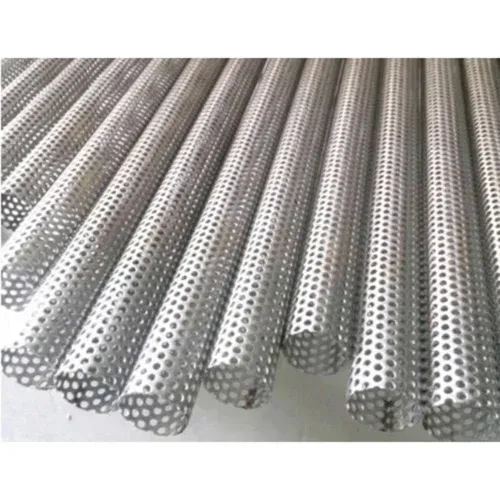
Perforated tube starts as standard round, square or rectangular tube and has a patterned array of holes formed into the wall, used for filtration, screening, acoustic damping and similar applications where controlled flow-through or sound absorption is needed rather than a solid wall. See our dedicated Perforated Tube page for pattern and sizing detail.