Phone Number +91-96194-06392
Opening Hours:

Mon-Sat: 9am - 6pm

Stainless Steel Pipe Supplier in Australia

Import Export
European Directive 2014/68/EU
ISO 14001:2015
ISO 45001:2018
ISO 9001:2015
GST Certificate
Stainless Steel Pipe

Stainless Steel Pipe Supplier in Australia Since 1962

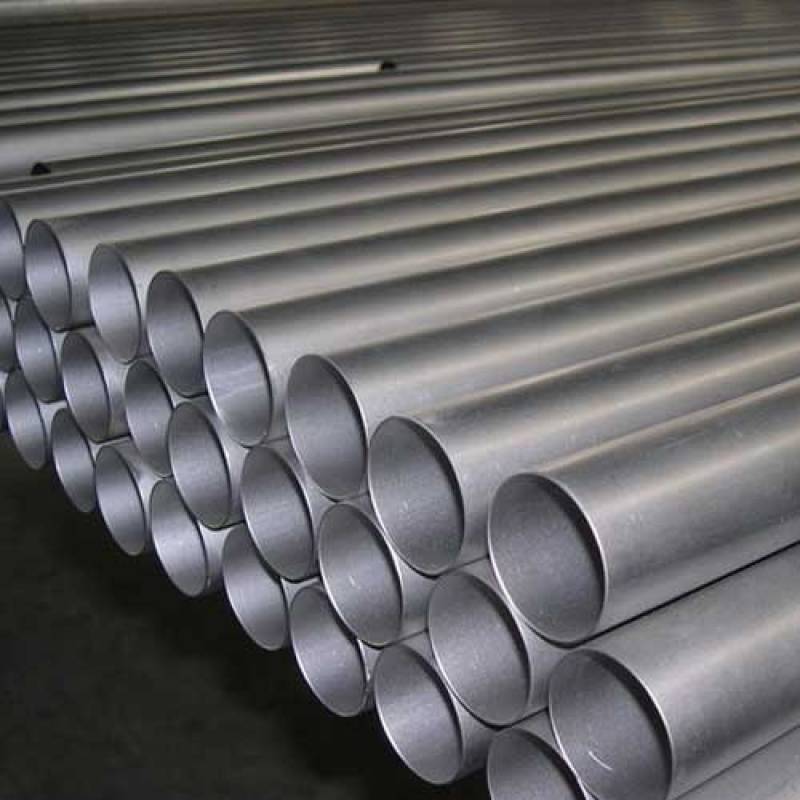
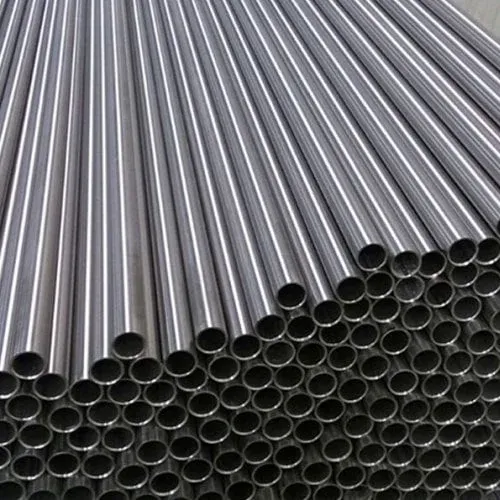
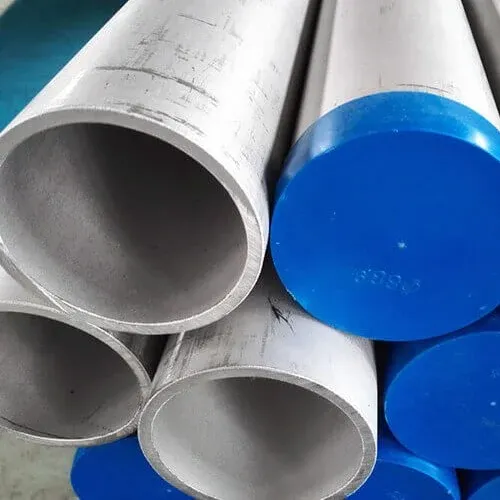
If you're installing a heavy-duty piping system, you can't afford to take a chance. The best, top-quality, and mill-certified materials are needed to resist pressure. Sidhgiri Overseas is one of the Stainless Steel Pipe Suppliers in Australia that provides quality pipes designed to endure the toughest industrial environments.

From a local to a global project, it is not an option to not meet the strict metallurgical standards. For this reason, precise dimensional control, chemical stability, and in-depth testing of each batch are a primary concern in our facility. Our expertise ranges from seamless to welded, ensuring that the durability and reliability your high-pressure energy, chemical processing plant, and large-scale infrastructure projects demand. We keep a very responsive supply chain and apply state-of-the-art production technology to provide certified, sustainable materials that comply with the highest international standards.

Working with one of the world's leading domestic manufacturers, such as us, ensures that you receive quality performance, corrosion resistance for years to come, and peace of mind for your most important fluid handling systems.

A Clear Explanation of Different Types of Stainless Steel

What is Stainless Steel?

To put it simply, stainless steel is a highly resilient, iron-based alloy containing a minimum of 10.5% chromium. No matter whether it's being installed in a residential home, an industrial plant, or a weighty construction site, we combine it with the other elements it needs to provide it with exceptional corrosion resistance, strength, and durability.

In contrast, the carbon steel will rust when it comes in contact with water and air, whereas the stainless steel is self-protecting. It leaves an extremely thin coating of the surface of chromium oxide, which is self-healing. This passive layer provides protection against water, oxygen, and corrosive chemicals. The surface becomes scratched or dinged; it restores its integrity almost immediately when it comes into contact with air, maintaining low maintenance and the familiar, clean metallic luster.

A Clear Explanation of Different Types of Stainless Steel Pipes

Over 100 years old, stainless steel has become one of the most popular materials in the world. This is due to its high level of chromium, which is what provides this legendary corrosion resistance, even in the presence of reducing acids or localized pitting in salt chloride solutions. It is ultra-maintenance-free and stays clean and shiny, making it the perfect option for industrial piping.

Stainless steel pipes are available in different shapes, mainly welded and seamless. These pipes can have a wide variety of chemicals added to them, making them appropriate for many different industries. Understanding the ways these pipes are classified, by production methods, alloy grades, ASTM specifications, and real-world applications, can make the procurement process smooth and straightforward.

Different Types Based on the Production Method

1. Welded Stainless Steel Pipes

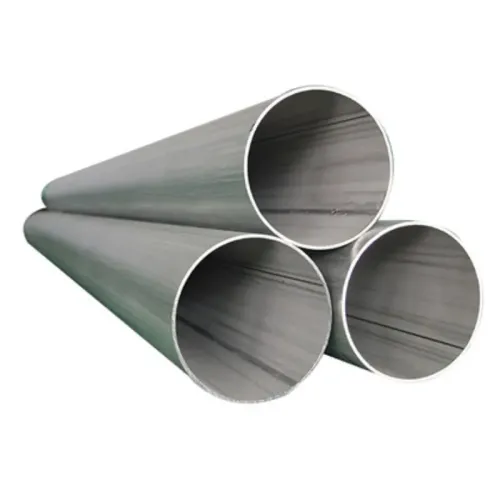
The actual process of making a welded pipe is to use the high-precision rollers or bending machine to roll the continuous steel coil or steel plate into a circular shape. Sometimes, for longer runs, a filler material is used to help hold the seam in place.

Welded pipes tend to have a much lower production cost compared to seamless pipes due to the streamlined manufacturing process. You may not have to get into the deep technical details of each welding process here, but you will hear these common abbreviations used in the industry:

EFW: Electric fusion welding

ERW: Electric resistance welding

HFW: High-frequency welding

SAW: Submerged arc welding (offered in both spiral and longitudinal seams)

2. Seamless Stainless Steel Pipes

Seamless pipes are the standard pipes used for high-pressure environments. Seamless pipes are produced by extruding a solid round metal billet over a mandrel to create a hollow tube, rather than flat plates being welded together.

The body of the pipe is not seamed and therefore does not have any weak points. As a result, they are very strong and very reliable for high-pressure applications such as oil and gas pipelines, chemical processing plants, and refineries. These pipes are finished to tight wall thickness and dimensional specifications in a variety of sizes.

Stainless Steel Pipe Types – According to Alloy Grade

The chemical composition of the steel greatly affects the pipe's strength and application. In getting pipes, you'll probably meet a couple of naming customs. The most common and widely accepted guidelines globally are German (DIN), European (EN), and American (ASTM) standards.

DIN GradeEN GradeASTM GradeKey Characteristics & Uses
1.4541X6CrNiTi18-10A 312 Grade TP321Titanium-stabilized; excellent for high-temperature services.
1.4571X6CrNiMoTi17-12-2A 312 Grade TP316TiAdded molybdenum and titanium; high resistance to localized pitting.
1.4301X5CrNi18-10A 312 Grade TP304The classic 18/8 grade; highly versatile and widely used.
1.4306X2CrNi19-11A 312 Grade TP304LLow-carbon version of 304; prevents carbide precipitation during welding.
1.4307X2CrNi18-9A 312 Grade TP304LStandard low-carbon 304; excellent corrosion resistance after welding.
1.4401X5CrNiMo17-12-2A 312 Grade TP316Infused with molybdenum; ideal for marine and chemical applications.
1.4404X2CrNiMo17-13-2A 312 Grade TP316LLow-carbon 316; the ultimate choice for highly corrosive environments.

Different Types Based on ASTM Specifications

In our industry there's a cliché that says, "Standards and manufacturing are one and the same. Projects have very different requirements, and it can kill an entire project to get the wrong specification. Before you purchase, it is helpful to have a basic understanding of these international standards.

The American Society for Testing and Materials (ASTM) is the body behind the standards. It is a highly reputed international body that has set more than 12,000 standards that are applied worldwide. There are more than 100 different standards for stainless steel pipes and fittings.

They are standards based on precisely formulated chemical compositions and certain manufacturing processes:

ASTM A358: Electric-fusion-welded austenitic stainless pipe for corrosive or high-temperature service, generally at the larger diameters.

ASTM A213: Seamless ferritic and austenitic alloy steel boiler, superheater and heat-exchanger tube.

ASTM A269: Seamless and welded austenitic stainless tube for general corrosion-resisting service. Note that A106, A335 and A333, which are often quoted alongside these, are carbon and ferritic-alloy specifications rather than stainless ones. If a drawing cites one of those, the material called for is not stainless steel.

ASTM A312: The standard for general corrosive and high-temperature services; covers cold-worked, straight-seam welded, and seamless pipes.

Different Types Based on Application Areas

Sanitary Pipes: Cleanliness is everything in food processing, medical devices, and sensitive biotechnology. Sanitary pipes are highly polished inside and out to ensure smooth, completely untainted fluid flow. They resist rust beautifully and are incredibly easy to sanitize, with ASTM A270 being the go-to grade here.

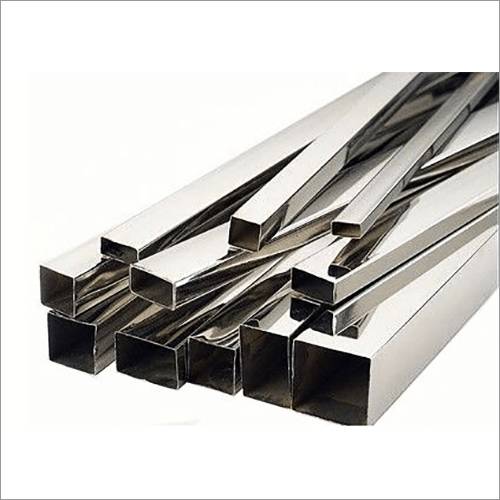
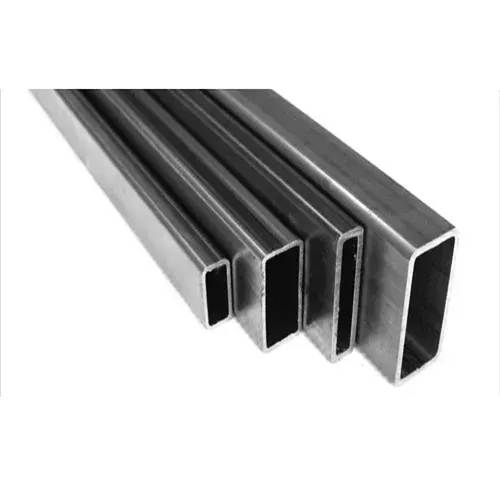
Mechanical Pipes: If you are building structural frameworks, bearing components, or cylinder parts, you will want mechanical piping. We can easily shape these into custom sectional profiles like squares, rectangles, or specialized shapes. ASTM A554 and ASTM A511 are the standard choices here due to their exceptional machinability in automotive and agricultural machinery.

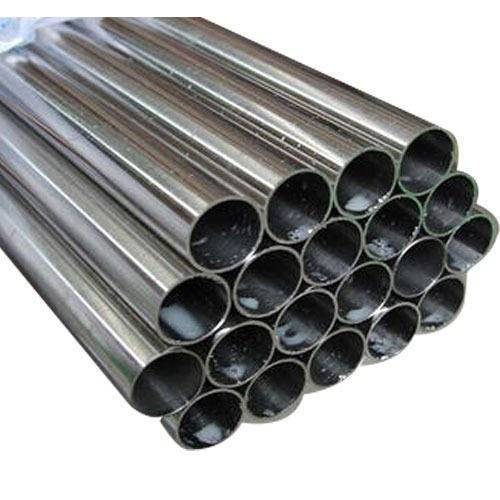
Polished Pipes: These are the visual stars of architectural projects, commercial spaces, and premium homes. The smooth, polished exterior limits wear and tear, reduces dust or contaminant buildup, and looks fantastic. Because they do not need extra protective coatings, they are widely used in safety handrails, architectural borders, and designer furniture.

Stainless Steel Suppliers in Australia

Getting high-quality pipeline components is all about balancing great value with perfect material traceability. We are the best Stainless Steel Suppliers in Australia, Whether you need short, pre-cut sections or a massive wholesale delivery, choosing the right supplier format keeps your project on time and within budget:

Direct Mills & Large Corporate Stockholders: This is your best route for custom length cuts, fully traceable mill test certificates, and large bulk orders. Major domestic giants supply fully certified stock for massive structural or chemical infrastructure projects.

B2B Industrial Directories: Platforms like the regional Stainless Steel Pipe Hub allow project managers to compare real-time bulk rates per kilogram and connect directly with local metal dealers and major regionals like {local_hubs} to coordinate fast deliveries.

Precision Online Distributorships: Modern digital platforms provide instant online pricing for pre-cut, highly specialized pipe profiles—perfect for quick mechanical or instrument hookups.


Types & Production Methods

Welded Pipe

Welded pipe is formed by rolling flat coil or plate into a circular section and welding the seam along its length. It is the more economical production route and is well suited to structural, architectural and general industrial use. The welding methods most commonly referenced by their abbreviations are:

EFW -- Electric Fusion Welding

ERW -- Electric Resistance Welding

HFW -- High Frequency Welding

SAW -- Submerged Arc Welding (spiral-seam or long-seam)

Seamless Pipe

Seamless pipe is pierced and drawn from a solid round billet, so there is no weld seam anywhere along its length or circumference. Because there's no seam to act as a potential weak point, seamless pipe is the standard choice for high-pressure applications -- oil and gas transport, chemical processing, and refinery piping -- where a welded seam would be the first place a failure could start.

Grades & Standards

Pipe grade is generally referenced against one of three standards -- DIN (German), EN, or ASTM -- and the table below cross-references the equivalent grade designation across all three for the most commonly ordered austenitic grades.

DIN Grade

EN Grade

ASTM Grade (Pipe)

1.4301

X5CrNi18-10

ASTM A312 Grade TP304

1.4306 / 1.4307

X2CrNi19-11 / X2CrNi18-9

ASTM A312 Grade TP304L

1.4401

X5CrNiMo17-12-2

ASTM A312 Grade TP316

1.4404

X2CrNiMo17-13-2

ASTM A312 Grade TP316L

1.4571

X6CrNiMoTi17-12-2

ASTM A312 Grade TP316Ti

1.4541

X6CrNiTi18-10

ASTM A312 Grade TP321

Full chemistry, mechanical properties and size ranges for each individual grade -- including SS 202, 304, 304L, 316, 316L, 321, 310 and 347H -- are covered on the Stainless Steel Pipe Grades page and each grade's own page.

Applications

Sanitary Pipe: used in food processing, dairy, and medical/biochemistry lines where the interior surface has to stay free of contamination and corrosion. ASTM A270 is the specification most commonly called for in sanitary tube.

Mechanical Pipe: used for hollow structural components, bearing housings and cylinder sections, commonly to ASTM A554 or A511, and readily formed into square, rectangular or custom profiles for chassis and machinery frames.

Polished Pipe: used where appearance and surface finish matter as much as strength -- handrails, balustrades and architectural trim -- typically in a brushed or mirror-polished finish that needs no additional protective coating.

Why Choose Siddhgiri Overseas

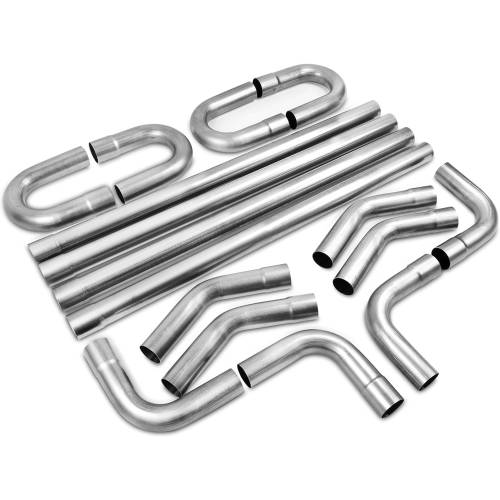
Manufacturing stainless steel pipe since 1962 from our Mumbai facility, with both seamless and welded production and dimensional checks carried out on every batch before dispatch. We supply across the full profile range -- round, square, rectangular, seamless, welded, ERW and exhaust-grade -- and the full 200/300/H-series grade range, so a single order can be sourced from one supplier instead of several.

Certifications

Siddhgiri Overseas is ISO certified for quality, occupational health & safety and environment management, and holds the import and export certification required to supply stainless steel pipe and tube to customers worldwide. Certificate copies are available on request for buyers who need them for their own compliance records.

Why Choose Us?

For businesses that rely on dependable, lasting piping solutions, an experienced supplier will ensure your projects are protected and meet regulations. We support our entire supply chain with excellent quality control:

Verifiable Mill Certification: Every single structural block or seamless tube bundle we ship comes with detailed chemical and physical test reports tracking the metal back to its original ladle stage.

Perfect Dimensional Uniformity: Our advanced drawing and extrusion machinery ensures strict control over Outer Diameter (OD), Inner Diameter (ID), and continuous wall thickness.

High Corrosion Resistance: By carefully balancing chromium, nickel, and molybdenum, our pipes remain highly defended against localized corrosion and pitting.

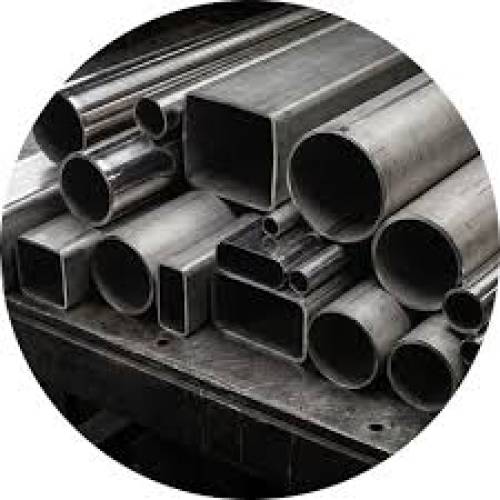
Flexible Custom Formats: We keep a deep stock of traditional round, square, rectangular, and oval profiles to fit whatever mechanical layout your design requires.

Optimized for High Pressure: Our seamless pipe configurations feature zero welded seams, meaning they are built to handle intense pressures without failing.

Premium Surface Finishes: From pickled-and-oiled surfaces to mirror-like electropolishing, we provide finishes that eliminate fluid resistance and bio-contamination.

Honest, Competitive Pricing: Our strong relationships with key distribution networks allow us to offer highly competitive market rates per kilogram or per meter.

Fast, Dependable Logistics: Our reliable shipping networks keep your assembly yard fully supplied on schedule, eliminating expensive construction delays.

Speak to Our Engineering Team Today!

Looking for top-performing pipe for your next project? Our technical distribution team is at your service to help you find the right materials for structural fabrication, sanitary processing lines, or heavy mechanical frameworks.

Contact our experts today to get accurate line estimates, detailed mill test certificates, or real-time bulk pricing for your project schedule. Your systems need the security of high-quality, high-precision stainless steel.

Frequently Asked Questions (FAQs)

1. What makes seamless stainless steel pipes the preferred choice for high-pressure industrial environments?

Seamless pipes are manufactured by extruding a solid round metal billet over a mandrel rather than welding flat steel plates together. Because the body of the pipe is completely unseamed, it contains no structural weak points. This uniform structural integrity allows seamless configurations to safely handle the extreme internal pressures demanded by oil and gas pipelines, chemical refineries, and heavy processing plants.

2. How does the low-carbon variant (such as ASTM Grade TP304L) protect welded piping systems?

Grades designated with an "L" (like TP304L or TP316L) feature a strictly limited low-carbon chemical composition. This low carbon content prevents harmful carbide precipitation from forming during the heating process of welding. As a result, the finished piping runs maintain excellent corrosion resistance post-welding without requiring extensive post-weld heat treatment.

3. What is the technical difference between ERW, EFW, and SAW welded stainless steel pipes?

These abbreviations refer to distinct longitudinal or spiral production welding methods:

ERW (Electric Resistance Welding): Fuses the rolled pipe edges using high-frequency electrical resistance currents without any added filler metal.

EFW (Electric Fusion Welding): Utilizes an electric arc system to fuse the joints, frequently incorporating filler material for heavy-gauge runs.

SAW (Submerged Arc Welding): Uses a blanket of granular flux to completely shield the welding zone from atmospheric gases, ideal for large-diameter infrastructure lines.

4. Which specific ASTM standards apply to general corrosive vs. high-temperature utility piping?

Material standards must precisely match application requirements to prevent field failures:

ASTM A312: The primary international standard governing seamless, straight-seam welded, and cold-worked welded pipes intended for general corrosive environments and high-temperature service.

ASTM A106 & A335: Specialized specifications engineered for high-temperature and extreme high-pressure operations using specialized ferritic alloy matrices.

ASTM A333: Dictates testing metrics for piping runs built specifically to maintain mechanical toughness in low-temperature or cryogenic environments.

5. Why does stainless steel resist rust naturally compared to standard carbon steel?

Stainless steel is an iron-based alloy formulated with a minimum of 10.5% chromium. While carbon steel flakes and rusts when exposed to moisture and air, the chromium in stainless steel reacts with ambient oxygen to form a microscopic, self-healing surface layer of chromium oxide. If this passive layer is scratched or physically damaged during handling, it immediately regenerates upon contact with air to block further corrosion.

6. What quality assurance documentation should I demand to verify material traceability?

Every industrial shipment should be supported by verifiable Mill Test Certificates (MTC) tracking the metal's processing history back to its original raw material ladle stage. Certified suppliers accompany their tube bundles and pipe runs with detailed chemical stability reports, non-destructive testing (NDT) updates, and strict outer/inner diameter tolerance audits to ensure complete alignment with project specifications.

Related Categories

FAQs

Frequently Asked Questions About Stainless Steel Pipe

Each dispatch is accompanied by standard industry documentation, including a Mill Test Certificate (MTC), typically issued to EN 10204 3.1, verifying the supplied material against the ordered grade. All pipe also undergoes dimensional checks before dispatch.

Clients

Our Partners

Tata Power
Shell Global Solutions
ONGC
NRL
NTPC
NIOC
HP
JSL
Godrej
Bhel
Inoxium Tubi
24/7 we are here
Your Partner in Industrial Growth, Let’s get started today!